

Growing cherry trees in Jacksonville, FL requires selecting the right varieties and understanding the local climate. With its subtropical conditions, Jacksonville presents unique challenges and opportunities for successful cherry cultivation.
Best Cherry Tree Varieties for Jacksonville
Choosing the right cherry tree variety is crucial for successful cultivation in Jacksonville’s subtropical climate. This section highlights the best options suited for the region, focusing on their adaptability, growth patterns, and fruiting potential. Understanding these varieties will help local gardeners make informed decisions for a thriving cherry tree garden.
Choosing the right cherry tree variety is crucial for thriving growth in Jacksonville’s subtropical climate. Some varieties are more adaptable to warmer temperatures and humidity levels than others. Consider the following popular options:
Sweet Cherry: Requires a cooler climate but can thrive with proper care.
Sour Cherry: More tolerant of heat and humidity, making it suitable for Jacksonville.
Florida Cherry: Specifically bred for subtropical conditions, offering better disease resistance.
| Cherry Variety | Heat Tolerance | Disease Resistance | Best Use |
|---|---|---|---|
| Sweet Cherry | Low | Moderate | Fresh eating |
| Sour Cherry | High | High | Baking and preserves |
| Florida Cherry | High | Very High | Fresh eating and preserves |
Recommended Products

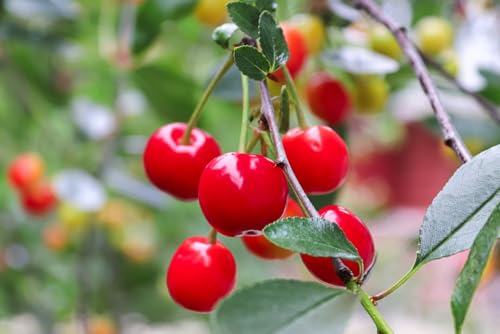
FRESH SEEDS: The Evans Cherry is a tough variety, thriving in the harsh climate of the Canadian prairies where cherries were once thought to be non-viable. Rediscovered by Ieuan Evans in an old orchard near Edmonton, Alberta, this self-pollinating sour cherry grows on its own rootstock, eliminating grafting problems and producing abundant fruit.
Soil Quality and Drainage for Cherry Trees
Soil quality and drainage are crucial factors for successfully growing cherry trees in Jacksonville’s subtropical climate. The right soil conditions not only support healthy root development but also help prevent waterlogging, which can lead to root rot. Understanding these elements will guide you in creating an optimal environment for your cherry trees to thrive.
Soil quality and drainage are critical for cherry tree health. Poorly drained soil can lead to root rot and other diseases. Follow these steps to create an optimal growing environment:
Test Soil: Use a soil test kit to determine pH and nutrient levels.
Amend Soil: Incorporate organic matter like compost to improve drainage and fertility.
Create Mounds: Plant cherry trees on raised mounds to enhance drainage.
Soil Enhancements for Cherry Tree Growth
To cultivate healthy cherry trees in Jacksonville’s subtropical climate, understanding soil enhancements is crucial. The right amendments can improve drainage, nutrient availability, and overall soil health, creating an optimal environment for cherry trees to thrive. This section explores effective strategies for enriching soil to support robust growth and fruit production.
Using the right soil amendments can significantly impact tree growth. Here are some effective options:
Compost: Enhances soil structure and provides nutrients.
Sand: Improves drainage in heavy soils.
Mulch: Retains moisture while suppressing weeds.
Irrigation Strategies for Jacksonville Cherry Trees
Effective irrigation is crucial for the successful growth of cherry trees in Jacksonville’s subtropical climate. Understanding the unique water requirements of these trees can help ensure optimal health and fruit production. This section explores various irrigation strategies tailored to the specific needs of cherry trees in this region.
Proper watering is essential for cherry tree establishment and growth. In Jacksonville, rainfall can be inconsistent, so a reliable irrigation plan is necessary. Implement the following techniques:
Drip Irrigation: Provides consistent moisture directly to the roots.
Soaker Hoses: Efficiently deliver water while minimizing evaporation.
Mulching: Helps retain soil moisture and regulate temperature.
Cherry Tree Watering Guidelines for Jacksonville
Proper watering is essential for the health and growth of cherry trees in Jacksonville’s subtropical climate. Understanding the specific needs of these trees can help ensure they thrive, especially during the hot summer months. This section outlines effective watering guidelines tailored to the unique conditions of the region.
Creating a watering schedule can help maintain optimal moisture levels. Here is a suggested plan:
| Growth Stage | Frequency | Amount |
|---|---|---|
| Establishment (0-6 months) | Twice weekly | 1-2 inches |
| Early Growth (6-12 months) | Weekly | 2 inches |
| Mature Trees (1 year+) | Every 10-14 days | 2-3 inches |
Cherry Tree Pest Control Techniques
Effective pest control is essential for successful cherry tree cultivation in Jacksonville’s subtropical climate. Understanding the common pests that threaten these trees and implementing targeted strategies can help ensure healthy growth and fruitful harvests. This section explores various techniques to manage pests effectively, tailored specifically for the unique conditions of the region.
Pests can pose significant threats to cherry trees in Jacksonville. Implementing effective pest management strategies will help protect your trees. Consider these methods:
Regular Inspections: Check for signs of pests or diseases weekly.
Natural Predators: Introduce beneficial insects like ladybugs to control aphids.
Organic Pesticides: Use neem oil or insecticidal soap as needed.
Recommended Products

COMPREHENSIVE COVERAGE: 4-pack of TERRO fruit fly traps for indoors with 180 days of lure supply provides comprehensive pest control coverage for your home's fruit fly infestations

Highly Effective & Reliable Fruit Fly Catcher: This fruit fly trap is expertly engineered to stop fruit flies where they hover most—kitchen counters, trash bins, and near fruit. See results in just 24 hours!

4 PACK OF REFILLS: Use this 4-pack of liquid lure refills designed specifically for TERRO fruit fly traps, as the bait formula helps to provide continuous protection against fruit flies and gnats in your home for up to 180 days (45 days per refill)
Pests Impacting Cherry Trees in Jacksonville
Cherry trees in Jacksonville face various pest challenges that can significantly affect their health and productivity. Understanding these pests is crucial for local growers aiming to cultivate thriving cherry trees in the subtropical climate. This section delves into the specific pests that pose threats to cherry trees in this region, offering insights for effective management.
Identifying common pests will aid in effective management. Here are some to watch for:
Aphids: Small, sap-sucking insects that weaken trees.
Cherry Fruit Fly: Larvae can damage fruit.
Spider Mites: Cause leaf discoloration and drop.
Nutrient Strategies for Thriving Cherry Trees
To cultivate healthy cherry trees in Jacksonville’s subtropical climate, understanding their nutrient needs is essential. This section delves into effective strategies for providing the right balance of nutrients, ensuring robust growth and fruit production. By focusing on soil health and targeted fertilization, you can create an optimal environment for your cherry trees to thrive.
Fertilization plays a vital role in cherry tree health and fruit production. Understanding nutrient requirements will ensure robust growth. Follow these guidelines:
Use Balanced Fertilizers: Select a fertilizer with equal parts nitrogen, phosphorus, and potassium.
Timing: Fertilize in early spring before new growth begins.
Application: Spread fertilizer evenly around the root zone.
| Fertilizer Type | Nitrogen % | Phosphorus % | Potassium % |
|---|---|---|---|
| All-purpose | 10 | 10 | 10 |
| Organic | 5 | 5 | 5 |
| Slow-release | 14 | 14 | 14 |
Cherry Tree Care Guidelines for Jacksonville
Caring for cherry trees in Jacksonville requires an understanding of the subtropical climate and specific horticultural practices. This section outlines essential guidelines to ensure healthy growth and fruitful yields, addressing factors such as soil conditions, watering needs, and pest management tailored to the unique environment of Northeast Florida.
Establishing and maintaining cherry trees in Jacksonville requires attention to detail and ongoing care. Regular monitoring of soil, water, and pest conditions will yield the best results.
Avoid planting in low-lying areas prone to flooding.
