

Are you struggling with a passion fruit tree that seems to be growing out of control? You’re not alone! Many gardeners find that their vines can quickly become unruly, making it hard to enjoy the delicious fruit they produce.
Trimming your passion fruit tree isn’t just about keeping it neat; it’s essential for its health and productivity. With the right techniques, you can encourage better fruiting, improve air circulation, and even enhance the overall appearance of your garden. This article will guide you through simple steps to trim your passion fruit tree effectively, ensuring it thrives for years to come.
Key Takeaways
- Understanding Passion Fruit Trees: Recognize their vigorous growth habits, flowering patterns, and specific growth requirements for optimal fruit production.
- Timing for Trimming: Trim in late winter or early spring to reduce stress; post-harvest trimming can also encourage healthy regrowth in warmer climates.
- Essential Tools for Trimming: Equip yourself with high-quality pruning shears, loppers, safety gear, and cleanup supplies to ensure a smooth trimming process.
- Step-by-Step Trimming Guide: Focus on removing dead wood, shaping the tree, and lightly trimming new growth while keeping an open structure for air circulation.
- Post-Trimming Maintenance: Maintain consistent watering, fertilization, mulching, and pest monitoring to support recovery and promote healthy growth after trimming.
- Regular Care Observation: Regularly inspect the tree for overgrowth and pests, conducting minor trims as needed to sustain overall health and productivity.
Understanding Passion Fruit Trees
Passion fruit trees are vigorous vines that thrive in warm climates. Recognized for their stunning flowers and flavorful fruits, they often grow rapidly, requiring regular maintenance. Understanding the basic features and needs of these trees helps ensure a successful gardening experience.
Characteristics of Passion Fruit Trees
- Vining Growth Habit: Passion fruit trees are perennial vines that can reach lengths of up to 20 feet or more. They produce tendrils that help them climb on support structures.
- Leaves: Their glossy, lobed leaves can grow up to 7 inches long, providing a lush backdrop for the flowers.
- Flowers: The flowers are unique, featuring a crown of filaments in purple and white. Blooming typically occurs in spring and summer.
- Fruit: The round, yellow or purple fruits contain a juicy pulp with numerous seeds. They usually ripen in late summer to early fall.
Growth Requirements
Passion fruit trees thrive in specific conditions:
- Light: Full sun is essential for optimal fruit production. Ensure the planting site gets at least 6 hours of direct sunlight daily.
- Soil: Well-draining soil rich in organic matter supports healthy growth. A pH range of 6.5 to 7.5 is ideal.
- Water: Regular watering promotes healthy growth. Keep the soil consistently moist, but avoid waterlogging.
Common Problems
You might encounter a few issues when growing passion fruit trees:
- Pests: Aphids, whiteflies, and spider mites can affect growth. Regular monitoring and natural predators can help manage these problems.
- Diseases: Fungal diseases like root rot can occur in overly wet conditions. Ensure proper drainage and avoid overwatering.
Understanding these aspects helps you adequately care for your passion fruit tree, setting the stage for effective trimming techniques that boost health and production.
When to Trim Passion Fruit Trees
Timing plays a crucial role in successfully trimming passion fruit trees. Proper trimming can enhance growth and fruit production while maintaining tree health.
Seasonal Considerations
Trim passion fruit trees in late winter or early spring, just before new growth begins. At this time, the tree is dormant, allowing for effective trimming without stressing it. If you live in warmer areas, you might consider trimming after harvesting the last fruits in late summer or early fall. This approach encourages healthier growth for the following season’s fruit production.
Signs of Overgrowth
Look for specific signs that indicate it’s time to trim. If you notice excessive vine length, dense foliage blocking sunlight, or branches crossing and crowding one another, trimming becomes necessary. Overcrowded branches detract from air circulation, inviting disease and pests. A general rule is to maintain an open structure to support healthy branches and improve fruit yield. Regularly observing your tree helps you catch these signs early.
Tools Needed for Trimming
Trimming a passion fruit tree requires the right tools for effective and safe pruning. Having the proper equipment makes the process smoother and more productive.
Recommended Products

· ULTRA-SHARP SK5 STAINLESS STEEL - Engineered with premium SK5 stainless steel, these heavy duty pruning shears deliver razor-sharp precision and maximum hardness. The rust-resistant blades are designed to stay sharp longer, effortlessly resisting corrosion and sap buildup for smooth, friction-free garden shears performance year after year.

DUAL CUTTING POWER: VERSATILE PRUNING COMBO --- With both Pruning Shears and Pruning Snip, this combo delivers unmatched versatility. Whether you're delicately trimming flowers and shrubs, tackling thicker tree branches, or tending to your vegetable and fruit garden, our combo pack excels in all areas. They're also perfect for landscaping projects and maintaining the health and appearance of indoor plants. With this pack, you have a versatile tool that simplifies your gardening tasks.

AMBIDEXTROUS DESIGN: Pruner shape is designed for both right and left-handed use while pruning indoor & outdoor plants such as shrubs, ornamental trees, vines, & flowers like roses; SoftGrip handle reduces hand fatigue & enhances comfort and control
Essential Tools
- Pruning Shears: Use high-quality, sharp pruning shears to make clean cuts. This tool is ideal for removing smaller branches and dead growth.
- Loppers: Loppers provide greater leverage and are perfect for cutting thicker branches, generally up to 2 inches in diameter.
- Saw: A small hand saw or pruning saw works well for larger branches that require more force to cut.
- Garden Gloves: Tough gloves protect your hands from thorns and rough branches while giving you a better grip on tools.
- Rake and Tarp: Have a rake and tarp on hand to collect and dispose of debris easily after trimming.
- Determining Guide: Keep a guide or diagram handy to visualize the desired shape and structure of your tree during trimming.
- Safety Glasses: Wear safety glasses to protect your eyes from flying debris while cutting branches.
- Long Sleeves: Dress in long sleeves to shield your arms from scratches and cuts.
- Sturdy Footwear: Use closed-toe shoes with good traction to prevent slipping on uneven ground.
- Hearing Protection: If using power tools, consider ear protection to minimize noise exposure.
Use these tools and safety gear to ensure a smooth trimming process that keeps your passion fruit tree healthy and productive.
Step-by-Step Guide on How to Trim Passion Fruit Tree
Follow these steps to ensure a successful trim of your passion fruit tree, promoting its health and fruit yield.
Recommended Products

▲【Large Fruit Picker Basket with Claw】Our fruit picker rake comes with metal twist on head basket( 9"x5.5"x5.5") for picking avocado, tangerines, apple, persimmon, grapefruit, mango, apple, pear, fig, orange, papaya,mandarins, lemons, jujubes and more fruit in four seasons.

Fiskars Fruit Picker Basket harvests fruit from tall trees without bruising or scratching
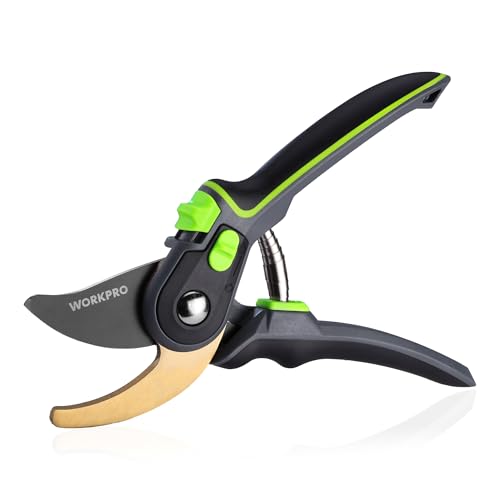
Sharp Blades for Clean Cuts: WORKPRO pruning shears feature a heat-treated high carbon steel upper blade engineered for long-lasting sharpness and strength. The non-stick coating reduces sap buildup, while the gold titanium-coated stainless steel lower blade enhances chip resistance and corrosion protection. Delivers smooth, flat cuts on branches up to 3/4" without crushing plants
Preparing for the Trim
- Choose the Right Time: Trim in late winter or early spring just before new growth starts. This timing prevents stress on the tree. For warmer areas, trim post-harvest in late summer or early fall.
- Gather Your Tools: Collect the necessary tools before you begin. Use high-quality pruning shears for small branches, loppers for thicker branches, and a saw for larger cuts. Ensure you have safety gear like gloves, safety glasses, and sturdy footwear.
- Inspect the Tree: Look for signs of overgrowth, such as excessive vine length or crowded branches. Identify areas that block sunlight or impede airflow.
- Start with Dead or Diseased Wood: Remove any dead, damaged, or diseased branches first. Cutting these away helps prevent the spread of disease and encourages healthier growth.
- Prune for Shape: Aim to create an open structure. Trim branches to shape the plant, focusing on maintaining even spacing. This promotes sunlight penetration and air circulation.
- Lightly Trim New Growth: Cut back excessive new growth to prevent overcrowding. You can reduce vines by one-third to one-half their length. Avoid trimming too much, as reducing overgrowth too drastically can shock the plant.
- Remove Tangling Vines: Snip away any vines that tangle or cross over each other. This helps maintain a tidy appearance and reduces competition for nutrients.
- Finish with Cleanup: Clear away all clippings and debris. Disposing of waste avoids attracting pests and keeps your garden neat.
Following these steps ensures your passion fruit tree remains healthy and productive, setting you up for a fruitful growing season.
Maintenance After Trimming
After trimming a passion fruit tree, you must carry out specific maintenance tasks to promote healthy growth and fruit production. Proper maintenance helps in preventing disease and supporting vigorous vine development.
Watering
Water the tree adequately after trimming. Ensure the soil remains moist but not waterlogged. Regularly check the top inch of the soil; if it feels dry, it’s time to water. This helps the tree heal and encourages new growth.
Fertilization
Fertilize the tree with a balanced fertilizer about four to six weeks after trimming. Use a slow-release option to support sustained growth throughout the season. Apply according to the package directions to avoid nutrient burn.
Mulching
Apply a layer of organic mulch around the base of the tree. Mulch retains moisture, suppresses weeds, and slowly adds nutrients as it breaks down. Spread a 2- to 3-inch layer of mulch, leaving space around the trunk to prevent rot.
Pest Monitoring
Keep an eye out for pests. After trimming, the open structure of the tree can make it more vulnerable. Check for common pests such as aphids or spider mites. Address infestations promptly with insecticidal soap or natural remedies.
Pruning Observations
Observe the tree’s growth regularly. Monitor new shoots and branches for excessive crowding or signs of disease. Conduct light trimming as needed to maintain shape and airflow, ensuring optimal light exposure to all parts of the plant.
Regular Care
Maintain a regular care schedule, including consistent watering and checks for pests. A monthly evaluation helps catch issues early, ensuring the tree remains healthy and productive throughout the growing season. This proactive approach enhances the overall well-being of your passion fruit tree.
Conclusion
Taking the time to trim your passion fruit tree can make a world of difference. Not only will it help the tree stay healthy but it’ll also boost your fruit yield and keep your garden looking great. Remember to use the right tools and follow the steps for a successful trim.
After you’ve trimmed, don’t forget about regular maintenance. Watering fertilizing and monitoring for pests will keep your tree thriving. With a little care your passion fruit tree will reward you with beautiful blooms and delicious fruits season after season. Enjoy the process and happy gardening!
Frequently Asked Questions
What is a passion fruit tree?
Passion fruit trees are vigorous vines that thrive in warm climates. They produce beautiful flowers and delicious, round fruits that typically ripen in late summer to fall. They have glossy lobed leaves and require full sun, well-draining soil rich in organic matter, and regular watering for optimal growth.
Why is trimming important for my passion fruit tree?
Trimming is crucial for the health and productivity of a passion fruit tree. It improves air circulation, encourages better fruiting, and prevents overgrowth. Regular trimming helps maintain the tree’s shape and aesthetic appeal while ensuring long-term thriving and disease prevention.
When is the best time to trim a passion fruit tree?
The ideal time to trim a passion fruit tree is in late winter or early spring, just before new growth starts. If you’re in a warmer area, consider trimming it after the last harvest in late summer or early fall to promote healthier growth for the next season.
What tools do I need for trimming a passion fruit tree?
Essential tools for trimming include high-quality pruning shears for smaller branches, loppers for thicker ones, and a saw for larger cuts. Additionally, safety gear like gloves, safety glasses, and sturdy footwear is recommended to ensure a safe and effective trimming process.
How do I trim my passion fruit tree?
Start by preparing for the trim: choose the right time, gather your tools, and inspect the tree for overgrowth. Remove dead or diseased wood, shape the tree for an open structure, lightly trim new growth, and tidy tangled vines. Finally, clean up debris to avoid attracting pests.
How can I maintain my passion fruit tree after trimming?
After trimming, maintain your passion fruit tree by ensuring adequate watering and fertilization with a balanced, slow-release fertilizer four to six weeks later. Apply organic mulch to retain moisture, monitor for pests, and regularly observe growth to catch issues early for optimal health and productivity.
