

Cherry trees can grow in Hawaii, particularly in high-altitude areas where conditions mimic their native environments. Successful cultivation requires understanding specific climate needs and selecting the right cherry tree varieties suited for the islands.
Cherry Tree Growth Conditions in Hawaii
Cherry trees thrive in regions with distinct seasonal changes, particularly cold winters. In Hawaii, the high-altitude regions such as Mauna Kea and Haleakalā provide cooler temperatures that are conducive for cherry growth. These trees prefer well-drained soil, full sunlight, and adequate moisture.
Key factors for successful cherry tree growth include:
Soil Type: Well-drained, loamy soil is ideal.
Sunlight: Full sun for at least six hours daily.
Watering: Regular watering, especially during dry spells.
Best Cherry Tree Varieties for Hawaii
When considering cherry trees for cultivation in Hawaii, selecting the right variety is crucial for success. Certain types thrive in the island’s unique climate and high-altitude conditions, offering the best chance for fruitful growth. This section explores the most suitable cherry tree varieties that can flourish in Hawaii’s diverse environments.
Choosing the right cherry tree variety is crucial for successful growth in Hawaii. Some varieties are better suited for tropical climates than others.
Consider the following cherry tree varieties:
| Variety Name | Characteristics | Ideal Growing Conditions |
|---|---|---|
| Yoshino Cherry | Fast-growing, beautiful blossoms | High-altitude regions |
| Rainier Cherry | Sweet fruit, requires cross-pollination | Cooler, well-drained areas |
| Bing Cherry | Dark, sweet fruit, needs chill hours | Higher elevations |
Each variety has unique needs and growth patterns, so selecting the right one can enhance your chances of success.
Recommended Products
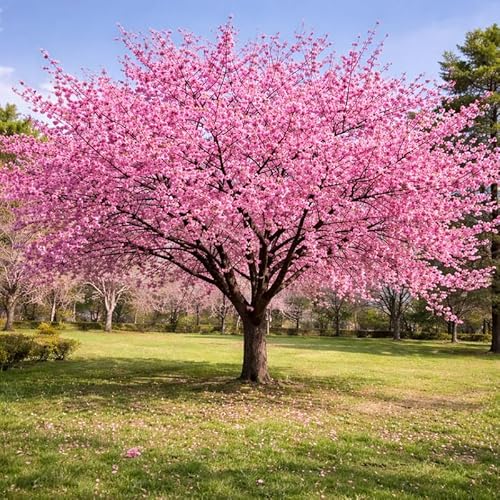
WHAT YOU WILL RECEIVE: 1 Cherry blossom tree live plant approximately 6 - 10 inches tall, prepared for transplanting into garden soil or outdoor containers
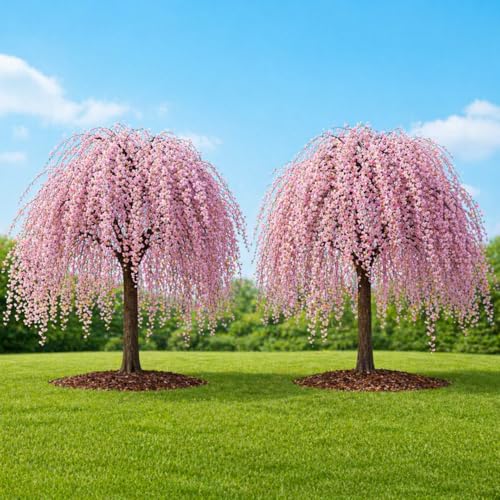
WHAT YOU WILL RECEIVE: 2 Cherry blossom tree live plant approximately 6 - 12 inches tall, prepared for transplanting into garden soil or outdoor containers
Do not transplant into another container, only the ground. These are ready to plant and should be put in the ground according to the included instructions upon arrival. All pictures are of fully grown plants. Sizes shipped are in the title and description. Deciduous plants do not have leaves in the winter.
Site Preparation for Cherry Trees
Preparing the site for cherry trees in Hawaii is crucial for their successful growth, especially in high-altitude areas. The right conditions can significantly enhance their resilience and fruit production. This section outlines essential steps to ensure optimal soil quality and environmental factors for planting cherry trees in this unique climate.
Preparation of the planting site is essential for healthy cherry trees. Clear the area of weeds and debris to reduce competition for nutrients.
Follow these steps for site preparation:
Choose a Location: Select a spot with full sun exposure.
Test Soil: Conduct a soil test to determine pH and nutrient levels.
Amend Soil: Add organic matter to improve drainage and nutrient content.
Proper site preparation sets the foundation for robust tree growth.
Cherry Tree Planting Techniques for Hawaii
Growing cherry trees in Hawaii presents unique challenges due to the island’s tropical climate and varying altitudes. Understanding specific planting techniques tailored for high-altitude environments can significantly enhance the chances of success. This section explores effective strategies for cultivating cherry trees in Hawaii, ensuring they thrive despite the region’s distinct conditions.
Proper planting techniques ensure that cherry trees establish well. Timing is important; plant during the cooler months to reduce stress on the tree.
Follow these steps for planting:
Dig a Hole: Create a hole twice the width of the root ball.
Place the Tree: Position the tree so that the root collar is level with the soil surface.
Backfill: Fill the hole with soil, ensuring no air pockets remain.
Water Thoroughly: Water the tree deeply after planting to encourage root establishment.
Correct planting techniques lead to healthier trees.
Cherry Tree Maintenance in Hawaii
Maintaining cherry trees in Hawaii requires a tailored approach due to the unique climate and elevation of the islands. Understanding the specific needs for watering, pruning, and pest control is essential for successful growth. This section will explore effective maintenance strategies to ensure cherry trees thrive in Hawaii’s high-altitude environments.
Ongoing care is essential for cherry tree health. Regular maintenance includes watering, fertilizing, and pruning.
Implement these care practices:
Watering: Ensure consistent moisture, especially during dry periods.
Fertilizing: Use a balanced fertilizer in early spring.
Pruning: Prune annually to remove dead or diseased branches and improve air circulation.
Consistent care promotes vigorous growth and fruit production.
Pest Control Strategies for Cherry Trees
Pest control is crucial for the successful cultivation of cherry trees, especially in Hawaii’s unique climate. Understanding the specific pests that threaten these trees and implementing effective management strategies can significantly enhance their growth and fruit production. This section explores various methods to protect cherry trees from pests while ensuring a thriving high-altitude garden.
Pest and disease management is critical for cherry tree health. Regular monitoring can help identify issues early.
Common pests include:
Aphids: Small insects that can weaken trees.
Cherry Fruit Fly: Affects fruit quality.
Common diseases include:
Brown Rot: A fungal disease affecting blossoms and fruit.
Powdery Mildew: Affects leaves and shoots.
Implement integrated pest management strategies to mitigate these threats.
Cherry Fruit Harvest Timing and Techniques
Understanding the timing and techniques for harvesting cherry fruit is essential for successful cultivation, especially in Hawaii’s unique climate. This section will explore the optimal periods for harvesting cherries and the best practices to ensure a fruitful yield, taking into account the high-altitude conditions that can influence growth and fruit quality.
Harvesting cherries at the right time ensures the best flavor and quality. Monitor the fruit for color and firmness.
Follow these steps for harvesting:
Check Color: Look for deep, vibrant colors indicating ripeness.
Test Firmness: Gently squeeze the fruit; it should be firm but slightly soft.
Harvest Carefully: Use scissors to cut the stem to avoid damaging the tree.
Proper harvesting techniques maintain tree health and enhance fruit quality.
