

Growing apple trees in Charlotte, NC, requires understanding the local climate and soil conditions. By selecting the right varieties and implementing proper care techniques, you can achieve a fruitful harvest. This guide provides essential tips and insights for successful apple cultivation in the Piedmont region.
Best Apple Varieties for Charlotte’s Climate
Selecting the right apple varieties is crucial for successful cultivation in Charlotte’s unique Piedmont climate. With its warm summers and mild winters, certain apple types thrive better than others, offering both flavor and resilience. This section explores the best apple varieties suited for local conditions, ensuring a fruitful harvest for home gardeners and enthusiasts alike.
Choosing the right apple varieties is crucial for success in Charlotte’s climate. The Piedmont region experiences hot summers and mild winters, making it suitable for several apple types. Popular varieties include:
Fuji: Known for its crisp texture and sweet flavor, Fuji apples thrive in warmer climates.
Gala: These apples are early ripeners and are favored for their sweet taste.
Granny Smith: This tart variety is excellent for baking and cooking.
Honeycrisp: Renowned for its balance of sweetness and tartness, it is a favorite among consumers.
Consider local nurseries for healthy saplings that are acclimated to the area.
Recommended Products

Pages: 40 Instrumentation: Piano/Vocal
Soil Preparation Techniques for Apple Trees
Preparing the right soil is crucial for successful apple tree cultivation in Charlotte, NC. The region’s unique Piedmont soil conditions require specific techniques to ensure optimal growth and fruit production. Understanding how to amend and enrich the soil will set the foundation for healthy apple trees and a fruitful harvest.
Proper soil preparation ensures healthy growth and fruit production. The soil in Charlotte typically has clay content, which can retain moisture. To improve soil quality, follow these steps:
Test Soil pH: Aim for a pH between 6.0 and 7.0.
Amend Soil: Incorporate organic matter such as compost or well-rotted manure to enhance drainage and nutrients.
Ensure Drainage: If the soil is too compact, consider creating raised beds to improve drainage.
The right soil conditions promote robust root development and fruit yield.
Apple Tree Planting Guidelines for Charlotte
When planting apple trees in Charlotte, NC, understanding the local climate and soil conditions is essential for success. This section provides detailed guidelines tailored to the Piedmont region, ensuring that both novice and experienced gardeners can cultivate healthy, productive apple trees. By following these recommendations, you can maximize your chances of a fruitful harvest.
Planting apple trees correctly is vital for their establishment. Follow these guidelines for optimal results:
Choose the Right Time: Plant in early spring or late fall when the trees are dormant.
Dig a Proper Hole: The hole should be twice as wide and as deep as the root ball.
Position the Tree: Place the tree in the center of the hole, ensuring the graft union is above soil level.
Backfill and Water: Fill the hole with soil, tamping gently, and water thoroughly to eliminate air pockets.
Proper planting techniques lead to healthier trees and better fruit production.
Recommended Products

Grow your own apple, a tree of legend that has been cherished and cultivated for thousands of years by people of many cultures from every corner of the world

Product Quantity: 180+ premium bonsai fruit seeds across 5 varieties; Individual packs contain 40+ apple, 40+ lemon, 40+ orange, 20+ blueberry, and 40+ cherry seeds; Perfect for starting a diverse miniature orchard
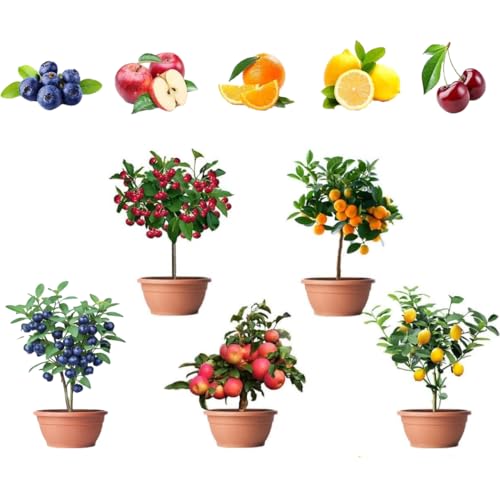
Variety Pack of 5 Fruits: Includes 40 Lemon seeds, 40 Orange seeds, 40 Apple seeds, 20 Cherry seeds, and 20 Blueberry seeds for a colorful and diverse home garden
Apple Tree Care Task Frequency Guide
Caring for apple trees in Charlotte, NC requires a tailored approach to ensure healthy growth and fruitful yields. This guide outlines the essential tasks and their recommended frequencies, helping local gardeners effectively manage their apple trees throughout the seasons. By following these guidelines, you can maximize the success of your apple-growing endeavors in the Piedmont region.
| Task | Frequency | Best Time | Notes |
|---|---|---|---|
| Soil Testing | Annually | Early Spring | Adjust pH as needed |
| Fertilization | Twice a year | Early Spring, Fall | Use balanced fertilizer |
| Pruning | Annually | Late Winter | Remove dead or crossing branches |
| Pest Control | As needed | Growing Season | Monitor for common pests |
This table summarizes essential care tasks for maintaining healthy apple trees.
Pest and Disease Control Strategies
Managing pests and diseases is crucial for successful apple tree cultivation in Charlotte, NC. The region’s climate and local ecosystem can introduce specific challenges that threaten tree health and fruit production. Understanding effective control strategies will help ensure robust growth and a bountiful harvest.
Apple trees can face various pests and diseases that threaten their health. Regular monitoring and proactive measures are necessary. Common issues include:
Apple Scab: A fungal disease that causes dark spots on leaves. Control through proper spacing and fungicide applications.
Codling Moth: Larvae burrow into apples. Use pheromone traps to monitor and control populations.
Aphids: Small insects that suck sap. Introduce beneficial insects like ladybugs for natural control.
Implementing an integrated pest management plan minimizes damage and promotes tree health.
Watering Techniques for Apple Trees
Effective watering techniques are crucial for the successful growth of apple trees in Charlotte, NC. The region’s climate presents unique challenges, making it essential to understand how to provide the right amount of moisture at different stages of the tree’s development. This section will explore the best practices for watering to ensure healthy and productive apple trees.
Proper watering is essential for apple tree health, particularly during dry spells. Follow these guidelines:
Deep Watering: Water deeply once a week during dry periods to encourage deep root growth.
Mulching: Apply a layer of mulch around the base to retain moisture and regulate soil temperature.
Avoid Overwatering: Ensure the soil has good drainage to prevent root rot.
Effective watering strategies support robust growth and fruit development.
Apple Cultivation Tips for Charlotte Gardens
Growing apple trees in Charlotte, NC, presents unique opportunities and challenges due to the region’s climate and soil conditions. Understanding the specific cultivation tips tailored for Piedmont gardens can significantly enhance your chances of a fruitful harvest. This section provides essential insights to help you successfully nurture apple trees in your local environment.
Growing apple trees in Charlotte can be rewarding with the right approach. Focus on selecting suitable varieties, preparing the soil, and implementing effective care practices. Regular monitoring for pests and diseases is crucial for maintaining tree health.
By following these guidelines, you can cultivate thriving apple trees and enjoy a bountiful harvest in the Piedmont region.
