

Ever wondered why your pruner blades aren’t as sharp as they used to be? Picture this: you’re all set to tackle your garden, but your pruners just don’t make the cut. Fret not, as we’ve got your back! In this article, you’ll discover the secrets to keeping your pruner blades in top-notch condition.
Importance of Clean Pruner Blades
When it comes to gardening, clean pruner blades play a crucial role in maintaining plant health and promoting healthy growth.
Dirty blades can easily spread diseases between plants, leading to unwanted infections that can harm your garden.
Regularly cleaning your pruner blades after each use not only extends their lifespan but also ensures precision cutting, helping you achieve clean and smooth cuts without damaging your plants.
Remember, a quick wipe or dip in a cleaning solution can go a long way in preserving the sharpness and effectiveness of your pruner blades.
Tools Needed for Cleaning
To effectively clean your pruner blades, it’s important to have the right tools on hand. Here are the essential items you’ll need to keep your pruners in top condition:
- Rubbing Alcohol: Ideal for disinfecting and removing sap buildup on the blades.
- Steel Wool or Brush: Helps scrub away any tough residue or grime.
- Cloth or Paper Towel: Use for wiping down the blades after cleaning.
- Sharpening Stone: Necessary for maintaining the sharpness of the blades.
- Safety Gloves: Protect your hands during the cleaning and sharpening process.
Ensure you have these tools ready before you start cleaning your pruner blades to make the task easier and more efficient.
Step-by-Step Cleaning Process
Cleaning your pruner blades is essential for maintaining healthy plants and preventing the spread of diseases. Follow these steps to ensure your pruners are in top condition:
- Step 1: Disassemble your pruners by opening the blades fully.
- Step 2: Remove any visible debris and sap with a cloth or paper towel.
- Step 3: Soak a cloth in rubbing alcohol and wipes down the blades to disinfect them.
- Step 4: Scrub the blades with a steel wool or brush to remove stubborn residue.
- Step 5: Sharpen the blades using a sharpening stone.
- Step 6: Reassemble your pruners and apply a thin layer of oil to prevent rust.
Maintaining clean pruner blades will not only extend their lifespan but also promote healthier plants in your garden.
Recommended Products
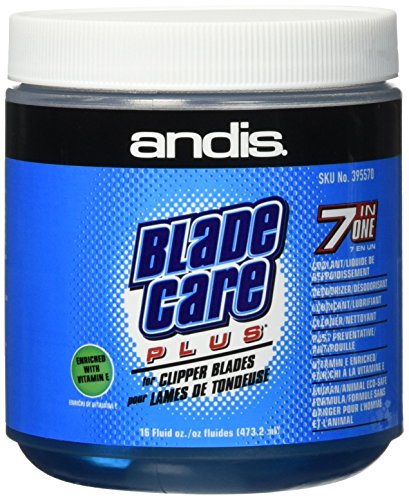
This 7-in-1, Vitamin E enriched formula cools, deodorizes, lubricates, cleans, prevents rust and decontaminates

Great for cleaning and lubricating clipper blades as well as removing factory-applied preservatives

FELCO 2 Hand Pruner – The world-famous Swiss-made bypass pruner built for precision and durability, featuring forged aluminum handles and replaceable hardened steel blades.
Maintaining Sharpness
To maintain the sharpness of your pruner blades, regularly inspect them for any nicks or dull edges. Sharpen the blades only when needed to avoid removing excess material and shortening the lifespan of your pruners.
Here are some tips to keep your pruner blades sharp:
- Sharpen the blades at a 20-degree angle to ensure a precise cut.
- Consider using a whetstone or sharpening stone for best results.
Regularly clean and oil the blades to prevent rust and increase their longevity. Keeping your pruners sharp will not only make your gardening tasks easier but also ensure clean cuts that promote plant health.
Recommended Products

VERSATILE – The most versatile sharpener in the market to sharpen and hone both single and double beveled blades including knife, mower blade, pruner, loppers, hedge shears, axe, machete, hatchet, scissors, edged tool, etc.

QUICK & EFFECTIVE SHARPENING ANYWHERE : Our is crafted from high-quality steel, delivering a fine, razor-sharp edge in seconds. It's perfectly designed for quick touch-ups on garden tools like pruners, shears, and knives, ensuring your blades are always ready for a clean cut, whether in the garden or at the campsite

【Package Contents】You will receive 4 pieces of garden tool sharpener, which measures 12.2 x 1.3cm/4.8 x 0.51inches, small and mini, and features a portable design that can fit into a tool bag or pocket. Perfect for use at home or on the go, ideal for on-the-go sharpening needs.
Testing Your Pruner Blades
When testing the sharpness of your pruner blades, try making a few cuts on a soft material like cardboard or a small tree branch. Uneven cuts or materials getting crushed instead of cut are signs that your blades need attention.
To ensure optimal cutting, hold the pruner at a 20-degree angle and make a clean cut. If you notice fraying or the blade struggling to cut through, it’s time for sharpening.
Regularly inspect your pruner blades for any nicks or dull edges. These can cause damage to your plants and disrupt their growth. A damaged blade can also strain your hands and wrists, making gardening less enjoyable.
Conclusion
Keeping your pruner blades sharp is essential for maintaining healthy plants and avoiding gardening challenges. Regularly checking for blade sharpness, making clean cuts at a 20-degree angle, and being mindful of signs that blades need attention are key practices. Remember, damaged blades not only harm your plants but also make gardening more difficult for you. By incorporating cleaning, oiling, and sharpening into your routine, you’ll ensure smooth gardening tasks and promote the well-being of your plants. Stay proactive in caring for your pruner blades to enjoy a thriving garden and a more enjoyable gardening experience.
Frequently Asked Questions
Why is it important to maintain sharp pruner blades for gardening?
Sharp pruner blades promote plant health, prevent diseases, and ensure clean cuts that aid in plant recovery and growth.
How can I determine if my pruner blades need sharpening?
Check for nicks, dull edges, uneven cuts, or crushing of materials. These signs indicate that your blades require sharpening.
What angle should I maintain while sharpening my pruner blades?
Maintain a 20-degree angle when sharpening pruner blades to ensure a sharp edge for clean and efficient cuts.
What materials can I use to test the sharpness of my pruner blades?
Test the sharpness of your pruner blades on soft materials like cardboard or tree branches to gauge their cutting efficiency.
Why is it crucial to regularly clean and oil pruner blades?
Regular maintenance, including cleaning and oiling, prevents rust, corrosion, and blade damage, ensuring longevity and optimal performance.
