

Banana trees can grow in Fort Worth, TX, but they require specific conditions to thrive. The climate’s heat and occasional frost can challenge their growth, so selecting heat-resistant varieties and implementing protective measures is essential for successful cultivation.
Choosing Heat-Resistant Banana Varieties
Choosing the right banana variety is crucial for success in Fort Worth’s climate. Heat-resistant types like the Dwarf Cavendish and Musa basjoo can withstand higher temperatures and occasional cold snaps. These varieties are known for their resilience and adaptability, making them suitable for the local environment.
Recommended Products
![Greenwood Nursery: Live Perennial Plants - Musa Basjoo Cold Hardy Banana - [Qty: 2X Pint Pots] - (Click for Other Available Plants/Quantities)](https://m.media-amazon.com/images/I/51cl7jVVE3L._SL500_.jpg)
🌿 [INFO1] - Gives a tropical look to your garden. Grows from the Southern U.S. all the way to the southern part of Canada. A hardy Flowering Banana plant provides a tropical plant or jungle garden feel for pool landscapes, zen gardens and also makes an excellent container plant for porches, decks, patios & sunny areas of the house. The yellow orange flowers will produce small ornamental fruits that are not edible.
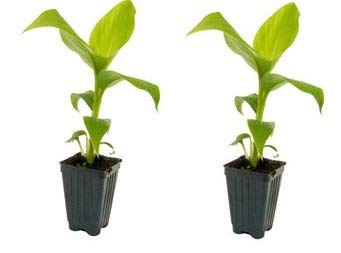
The most hardy of all Bananas!! Can go down to -20 if mulched properly. Can get up to 18 feet tall, rapid growth in hot weather Full Sun. Bananas are not edible, merely for looks! Exercise caution and use your best judgment before ordering during unusually hot or cold weather (below 32 degrees F, or in excess of 95F for shipping purposes), as these extremes may leave your plant vulnerable to damage.
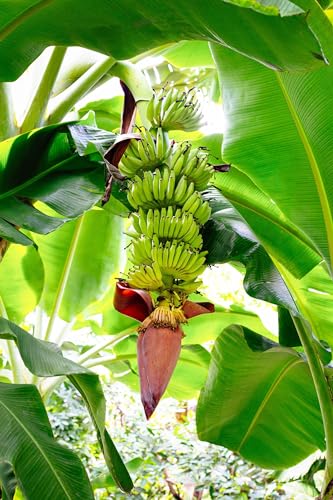
Live Plants for Planting 🌱 – Includes 4 rooted Musa basjoo banana plants, ready to plant in your garden or large pots.
Dwarf Cavendish Growth and Yield Traits
The Dwarf Cavendish is a popular choice due to its compact size and high yield. It typically grows to about 4 to 5 feet tall, making it manageable for home gardens. This variety produces sweet, flavorful bananas and can thrive in containers, providing flexibility in placement.
Musa Basjoo Cold Hardiness Features
Musa basjoo is another excellent option, known for its cold hardiness. It can survive temperatures as low as 20°F, making it ideal for Fort Worth’s occasional frost. This variety is primarily grown for its ornamental value, featuring large, lush leaves that create a tropical ambiance.
Optimal Soil Preparation for Banana Trees
Preparing the right soil is crucial for successfully growing banana trees in Fort Worth, TX. The unique climate and soil conditions in this region require specific amendments to ensure optimal growth and fruit production. This section will outline the best practices for soil preparation tailored to the needs of banana trees in a heat-resistant environment.
Planting banana trees correctly ensures their healthy growth and fruit production. Proper soil preparation and location are vital for success. Aim for well-draining soil enriched with organic matter to provide essential nutrients.
Optimal Soil Conditions for Banana Trees
To successfully cultivate banana trees in Fort Worth, TX, understanding the optimal soil conditions is crucial. The right soil composition not only supports healthy growth but also enhances the trees’ resilience against the region’s heat. This section delves into the specific soil requirements that can help ensure your banana trees thrive in this unique climate.
Banana trees thrive in rich, loamy soil with a pH level between 5.5 and 7.0. Consider the following soil amendments:
Compost: Enhances nutrient content and improves soil structure.
Mulch: Retains moisture and suppresses weeds.
Fertilizers: Use a balanced fertilizer designed for fruiting plants.
Optimal Sun Exposure for Banana Trees
Banana trees thrive in warm climates, making Fort Worth, TX, an intriguing location for their cultivation. Understanding the optimal sun exposure is crucial for ensuring healthy growth and fruit production. This section delves into the specific sunlight requirements that can help banana trees flourish in the Texas heat.
Choose a location that receives full sun for at least six hours daily. Ensure the area is sheltered from strong winds, as banana trees can be susceptible to wind damage. A south-facing slope can provide warmth and protection.
Protective Strategies for Banana Trees in Fort Worth
In Fort Worth, the unique climate poses challenges for growing banana trees, particularly during extreme heat. Implementing effective protective strategies is essential to ensure these tropical plants thrive despite local conditions. This section explores practical methods to safeguard banana trees from heat stress and promote healthy growth.
Fort Worth’s climate can be unpredictable, so creating a protective environment is essential. Implementing strategies to shield banana trees from extreme heat and frost will promote healthy growth.
Recommended Products

PACKAGE: The package includes 4Pcs plant covers,will meet your daily use or replacement. Measuring 31.5" x 47.3", the plant protector is waterproof, windproof.

Revolutionary Anti-freeze Protection: Plant covers freeze protection is made of 100% Reliable non-woven thickened polypropylene fabric Because the frost cloth fabric Thickness is 3.2 oz/yd² thicker and warmer, tear resistant than less expensive 1.3 oz/yd² fabric. Provides up to 2° F(-17℃) frost protection. In winter, frost blankets for outdoor plants can form a insulation layer for plants to isolate cold air and retain the oxygen required for plant respiration

Protect Plants From Frostbite: 2.2 oz/sq yard non-woven fabric as the material of plant cover to protect your plant against freeze, frost and other cold weather during winter
Cold Snap Protection Strategies for Banana Trees
Banana trees thrive in warm climates, but Fort Worth’s occasional cold snaps can pose a challenge. Understanding effective protection strategies is crucial for ensuring these tropical plants survive and flourish despite unexpected temperature drops. This section explores practical methods to safeguard banana trees during winter weather.
During unexpected cold snaps, protect banana trees by:
Covering with blankets: Use frost cloths or old blankets to insulate the plants.
Using heat lamps: Set up heat lamps around the base for added warmth.
Mulching: Apply a thick layer of mulch around the root zone to retain heat.
Heat Stress Prevention Techniques
In Fort Worth, TX, the intense summer heat can pose challenges for banana trees. To ensure these tropical plants thrive despite high temperatures, it’s essential to implement effective heat stress prevention techniques. This section explores practical strategies to protect your banana trees and promote their healthy growth in a hot climate.
In the summer, banana trees may require additional care to prevent heat stress. Consider these methods:
Regular watering: Ensure consistent moisture without waterlogging the roots.
Shade cloth: Use shade cloth to reduce direct sunlight exposure during peak hours.
Windbreaks: Plant shrubs or install fences to protect against hot, dry winds.
Monitor and Maintain Banana Trees
To successfully cultivate banana trees in Fort Worth, TX, ongoing monitoring and maintenance are essential. This section provides practical tips on how to care for your banana trees, ensuring they thrive in the local climate. By paying attention to their specific needs, you can enjoy a fruitful harvest despite the heat.
Regular monitoring and maintenance are crucial for the health of banana trees. This includes checking for pests, diseases, and nutrient deficiencies.
Recommended Products

KILLS LISTED FRUIT & CITRUS TREE INSECTS: Controls Asian Citrus Psyllid, Whiteflies, Aphids Thrips, Citrus Leafminers, Leafhoppers, Blackfly, Mealybugs, Scales, Avocado Lacebugs, Oriental Beetles, Flea Beetles, Sharpshooters, and Spittlebugs

No chemical exposure to applicator or the environment

Control diseases and insects in your garden with Captain Jack’s Fruit Tree Spray Concentrate! Use on a variety of listed fruits, nuts and citrus plants.
Pests and Diseases Affecting Banana Trees
Banana trees can be susceptible to various pests and diseases, especially in the unique climate of Fort Worth, TX. Understanding these threats is crucial for successful cultivation, as they can significantly impact the health and yield of your banana plants. This section explores the common pests and diseases that may affect banana trees in this region, along with effective management strategies.
Banana trees can be affected by various pests and diseases. Keep an eye out for:
| Pest/Disease | Symptoms | Treatment |
|---|---|---|
| Aphids | Curling leaves | Insecticidal soap |
| Fungal infections | Yellowing leaves | Fungicides |
| Nematodes | Root damage | Soil amendments |
Fertilizer Strategies for Banana Trees
Fertilizing banana trees in Fort Worth, TX, requires a tailored approach to ensure healthy growth in the region’s climate. Understanding the specific nutrient needs and timing can significantly enhance the vitality of these tropical plants, allowing them to thrive despite the heat. Here are effective fertilizer strategies to support your banana trees in this unique environment.
Banana trees are heavy feeders. Regularly apply a balanced fertilizer every 6-8 weeks during the growing season. Monitor leaf color and growth patterns to identify nutrient deficiencies.
Growing Banana Trees in Fort Worth Conditions
Growing banana trees in Fort Worth presents unique challenges due to the region’s climate. While the heat can be beneficial, the potential for frost and varying temperatures requires careful planning and selection of heat-resistant varieties. Understanding local conditions is essential for successfully cultivating these tropical plants in a less-than-tropical environment.
Understanding the logistics of growing banana trees can simplify the process. Consider the following factors for successful cultivation.
Banana Tree Watering Guidelines
Proper watering is crucial for the successful growth of banana trees, especially in the unique climate of Fort Worth, TX. Understanding the specific needs of these heat-resistant plants will help ensure they thrive despite the challenges posed by the local environment. The following guidelines will provide essential insights into effective watering practices for banana trees.
Banana trees require consistent moisture. Establish a watering schedule based on weather conditions. During hot months, aim for deep watering twice a week.
Banana Harvesting Techniques for Fort Worth
Harvesting bananas in Fort Worth presents unique challenges due to the region’s climate. Understanding the right techniques is essential for maximizing yield and ensuring the fruit reaches its peak flavor. This section explores effective methods tailored to the specific conditions of Fort Worth, helping local growers achieve successful banana harvests.
Harvest bananas when they are plump and slightly green. Cut the entire bunch from the tree, allowing the bananas to ripen off the plant. This method ensures the best flavor and texture.
Heat-Resistant Banana Varieties for Fort Worth
In Fort Worth’s climate, selecting the right banana tree variety is crucial for successful growth. Heat-resistant options can thrive in the region’s summer temperatures, ensuring a fruitful harvest. This section explores the best banana varieties suited for the area’s unique conditions, helping gardeners make informed choices.
Growing banana trees in Fort Worth, TX, is feasible with the right approach. Select heat-resistant varieties, implement protective measures, and maintain regular care for optimal results.
