

Apple trees can successfully grow in New Hampshire, provided the right varieties are chosen and proper care is taken. Cold-hardy cultivars thrive in the state’s climate, allowing for fruitful harvests even in northern regions.
Cold-Hardy Apple Varieties for New Hampshire
New Hampshire’s unique climate poses challenges for apple cultivation, but certain cold-hardy varieties thrive in this northern environment. Understanding which apple types can withstand the region’s harsh winters and short growing seasons is essential for successful orcharding. This section explores the best options for gardeners looking to grow apples in New Hampshire.
Choosing the right apple tree variety is crucial for success in New Hampshire’s cooler climate. Cold-hardy varieties can withstand harsh winters and produce quality fruit. Some recommended varieties include:
Honeycrisp
McIntosh
Cortland
Empire
These varieties not only tolerate cold temperatures but also offer excellent flavor profiles.
Recommended Products
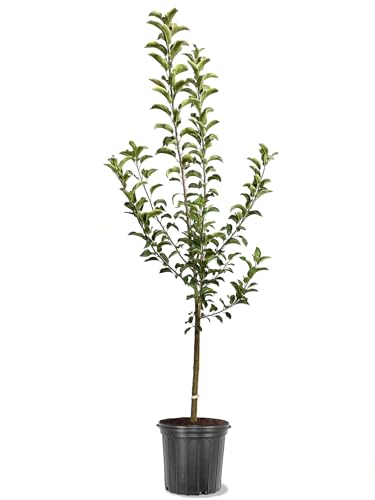
Crisp, Sweet Apples: Produces large, juicy apples with a perfect balance of sweetness and tartness, ideal for fresh eating and baking.

Live Fruit-Bearing Apple Tree – Grow your own Gravenstein apples, a classic heirloom variety known for its sweet-tart flavor and crisp texture, perfect for fresh eating, baking, and cider-making

🍎 Classic Fuji Apple Variety from Seed – Fuji Apple Tree Seeds allow growers to start one of the world’s most loved apple varieties known for its crisp texture and naturally sweet flavor. This long-term growing project is ideal for home orchards, backyard fruit gardens, and growers who enjoy raising trees from seed.
Optimal Soil Conditions for Apple Trees
Understanding the optimal soil conditions for apple trees is crucial for successful cultivation in New Hampshire’s unique climate. The right soil type not only supports healthy growth but also enhances fruit quality and yield. This section delves into the specific soil characteristics that promote thriving apple orchards in the northern landscape.
Soil quality significantly influences apple tree growth. Apple trees prefer well-drained, loamy soil with a pH between 6.0 and 7.0. Conducting a soil test can help determine nutrient levels and pH balance.
| Soil Component | Ideal Range |
|---|---|
| pH Level | 6.0 – 7.0 |
| Organic Matter | 3% or more |
| Drainage | Well-drained |
Improving soil quality can be achieved by adding organic matter, such as compost, to enhance drainage and nutrient levels.
Apple Tree Planting Methods for New Hampshire
When considering apple tree cultivation in New Hampshire, understanding the appropriate planting methods is crucial for success. The region’s unique climate and soil conditions require specific techniques to ensure healthy growth and fruitful yields. This section delves into effective strategies for planting apple trees that thrive in the northern landscape.
Proper planting techniques are essential for establishing healthy apple trees. Follow these steps for successful planting:
Choose a sunny location
Dig a hole twice the width of the root ball
Place the tree in the hole and backfill with soil
Water thoroughly to eliminate air pockets
These steps ensure that the tree has ample space and nutrients to grow.
Recommended Products

Fragrant Flowers: Bloom blossoms that provide precious nectar for pollinators like bees, creating your own romantic orchard with heavy fruit and rich flavor

🍎 HEIRLOOM APPLE SEEDS FOR PLANTING: Heirloom apple seeds for planting for gardeners who want to start their own apple tree from seed at home.

The apples produced have multiple uses, suitable for fresh eating, baking into pies, or creating homemade applesauce
Watering Techniques for Apple Trees
Proper watering techniques are essential for the successful growth of apple trees in New Hampshire’s unique climate. Understanding the right methods can help ensure that these trees thrive, especially during the critical early stages of development. This section explores effective watering strategies tailored to the specific needs of apple trees in northern conditions.
Effective watering and fertilization are vital for apple tree health. Newly planted trees require consistent moisture, especially during dry spells. Use mulch to retain soil moisture and regulate temperature.
For fertilization, consider these guidelines:
Use a balanced fertilizer in early spring
Avoid over-fertilizing, which can lead to excessive foliage growth at the expense of fruit production
Apple Tree Pest and Disease Control
Managing pests and diseases is crucial for the successful growth of apple trees in New Hampshire’s unique climate. Understanding common threats and effective control measures can help ensure healthy trees and a fruitful harvest. This section delves into the specific pests and diseases that apple trees may face in the region and offers practical solutions for prevention and management.
Pest and disease issues can threaten apple trees. Regular monitoring is essential for early detection. Common pests include:
Aphids
Codling moths
Spider mites
Implement integrated pest management strategies, such as introducing beneficial insects and using organic pesticides when necessary.
| Pest | Control Method |
|---|---|
| Aphids | Introduce ladybugs |
| Codling Moths | Use traps or organic sprays |
| Spider Mites | Increase humidity and apply insecticidal soap |
Regular pruning also helps improve air circulation, reducing the risk of fungal diseases.
Apple Harvest Timing for Best Flavor
Understanding the timing of apple harvest is crucial for achieving the best flavor in your fruit. In New Hampshire, the unique climate and growing conditions influence when apples reach their peak ripeness. This section delves into the optimal harvest times to ensure a delicious and successful apple crop.
Timing is crucial when harvesting apples. Picking apples at the right time ensures maximum flavor and quality. Look for these indicators:
Color change: Apples should have a rich color.
Ease of picking: Apples should come off the tree with a gentle twist.
Taste test: Sample the fruit to check for sweetness.
Harvesting should occur in late summer to early fall, depending on the variety.
Winter Protection Strategies for Apple Trees
In New Hampshire’s harsh winters, protecting apple trees is crucial for their survival and productivity. Understanding effective winter protection strategies can help gardeners ensure their trees withstand freezing temperatures and harsh conditions. This section explores various methods to safeguard apple trees during the cold months, promoting healthy growth and fruitful harvests in the warmer seasons.
Winter preparation is essential for apple trees in New Hampshire. Protecting trees from harsh conditions can prevent damage. Consider these winter care tips:
Wrap young trees with burlap or protective fencing to prevent rodent damage.
Apply mulch around the base to insulate roots.
Prune in late winter to remove dead or diseased branches.
Be vigilant about winter conditions to ensure the health of your apple trees.
Apple Tree Cultivation Strategies for New Hampshire
Growing apple trees in New Hampshire presents unique challenges due to the region’s climate and soil conditions. However, with the right cultivation strategies, gardeners can successfully nurture these trees to thrive. This section explores effective techniques tailored to the specific needs of apple trees in the northern environment.
Growing apple trees in New Hampshire can be rewarding with the right approach. Selecting cold-hardy varieties, understanding soil needs, and implementing proper care techniques are key to thriving apple orchards.
Recommended Products

🍎 3 Live Apple Tree Saplings: Receive three healthy young apple tree saplings ready to plant and grow in your garden, backyard orchard, or container. Plants ship dormant (not leaves or fruit) in spring.

Grow Your Own Famous Honey Crisp Apples - Cultivate the world's most popular apple variety right in your backyard! Experience the perfect sweet-tart crunch and explosive juiciness that made Honey Crisp apples a global sensation - fresh from your own tree.
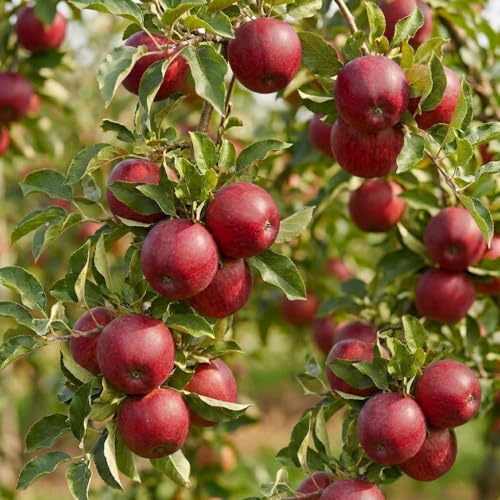
🍎 3 Live Apple Tree Saplings: Receive three healthy young apple tree saplings ready to plant and grow in your garden, backyard orchard, or container. Plants ship dormant (not leaves or fruit) in spring.
