

Banana trees can grow in Colorado Springs, CO, but specific conditions must be met for successful cultivation. The altitude and climate present challenges that require careful planning and management to ensure healthy growth.
Banana Tree Varieties for Colorado Springs
Colorado Springs has a unique climate characterized by low humidity and significant temperature fluctuations. The average altitude of over 6,000 feet makes it essential to choose the right banana tree variety that can withstand cooler temperatures. Varieties such as the Dwarf Cavendish and Basjoo are more resilient and can thrive in this environment with proper care.
Frost Protection Strategies for Banana Trees
Banana trees thrive in warmer climates, making their growth in Colorado Springs a challenge due to the region’s altitude and frost risk. Implementing effective frost protection strategies is essential for ensuring these tropical plants can survive and flourish in a cooler environment. This section explores practical methods to safeguard banana trees from frost damage.
Banana trees are sensitive to frost and require protection during colder months. The average temperature in Colorado Springs can drop below freezing in winter, which can damage or kill the trees.
Frost Dates: Last frost typically occurs in late May, while the first frost can happen as early as late September.
Recommended Practices: Use frost cloths or blankets to cover trees during unexpected cold snaps.
Banana Tree Soil Quality in Colorado Springs
Understanding the soil quality in Colorado Springs is crucial for successfully growing banana trees in this unique climate. The right soil conditions can significantly impact the health and productivity of these tropical plants, making it essential to assess local soil types and their suitability for banana cultivation. This section will explore the specific soil requirements needed for thriving banana trees in the region.
Soil quality is crucial for banana tree growth. These trees prefer well-draining, nutrient-rich soil to prevent root rot.
Soil Type: Sandy loam or loamy soil is ideal.
pH Level: Aim for a pH between 5.5 and 7.0.
Drainage: Ensure proper drainage by amending soil with organic matter.
| Soil Component | Recommended Percentage |
|---|---|
| Sand | 30% |
| Silt | 40% |
| Clay | 30% |
Best Banana Tree Varieties for Colorado Springs
When considering banana trees for Colorado Springs, it’s essential to choose varieties that can thrive in the region’s unique climate and altitude. The right selection can make a significant difference in growth and fruit production, ensuring your banana plants flourish despite the challenges posed by the local environment. Here are the best banana tree varieties suited for this area.
Choosing the right banana tree variety is crucial for successful growth in Colorado Springs. Some varieties are more suited for cooler climates than others.
Recommended Products
![Greenwood Nursery: Live Perennial Plants - Musa Basjoo Cold Hardy Banana - [Qty: 2X Pint Pots] - (Click for Other Available Plants/Quantities)](https://m.media-amazon.com/images/I/51cl7jVVE3L._SL500_.jpg)
🌿 [INFO1] - Gives a tropical look to your garden. Grows from the Southern U.S. all the way to the southern part of Canada. A hardy Flowering Banana plant provides a tropical plant or jungle garden feel for pool landscapes, zen gardens and also makes an excellent container plant for porches, decks, patios & sunny areas of the house. The yellow orange flowers will produce small ornamental fruits that are not edible.

Live Plants for Planting 🌱 – Includes 4 rooted Musa basjoo banana plants, ready to plant in your garden or large pots.

CHOOSE YOUR FAVORITE BANANA VARIETY – Select from Grand Nain, Dwarf Cavendish, Double Mahoi, Curly Tiny, or Basjoo Banana plants. Each variety offers unique characteristics, from sweet edible fruit to striking ornamental foliage and cold-hardy landscape performance.
Best Banana Varieties for Colorado Springs
When considering banana trees for Colorado Springs, selecting the right variety is crucial due to the area’s unique climate and altitude. Certain banana varieties are better suited to withstand cooler temperatures and shorter growing seasons, making them more viable options for local gardeners. Understanding these varieties can help ensure successful cultivation in this challenging environment.
Dwarf Cavendish: Known for its compact size and sweet fruit, this variety is ideal for smaller spaces.
Basjoo: Hardy and cold-tolerant, it can survive temperatures as low as 20°F.
Banana Tree Growth in Colorado Springs
Growing banana trees in Colorado Springs presents unique challenges due to the region’s altitude and climate conditions. While these tropical plants thrive in warm, humid environments, the cooler temperatures and potential frost in Colorado Springs require careful planning and specific strategies to ensure successful growth. Understanding these factors is essential for any gardener looking to cultivate banana trees in this area.
Height: Dwarf Cavendish typically reaches 4-5 feet, while Basjoo can grow up to 10 feet.
Fruit Production: Dwarf Cavendish produces fruit within 9-12 months, while Basjoo is primarily grown for ornamental purposes.
Banana Tree Care in Colorado Springs
Growing banana trees in Colorado Springs presents unique challenges due to the region’s altitude and climate. Understanding the specific care requirements for these tropical plants is essential for successful cultivation. This section delves into the best practices for nurturing banana trees in this high-altitude environment, ensuring they thrive despite the cooler temperatures and variable weather conditions.
Proper care and maintenance are essential for banana trees to thrive in Colorado Springs. Regular attention to watering, fertilizing, and pruning can lead to healthier plants.
Recommended Products

Package contains 4 Pounds organic fruit and citrus fertilizer grains and is produced to avoid wasteful runoff, mess, hazards and smells
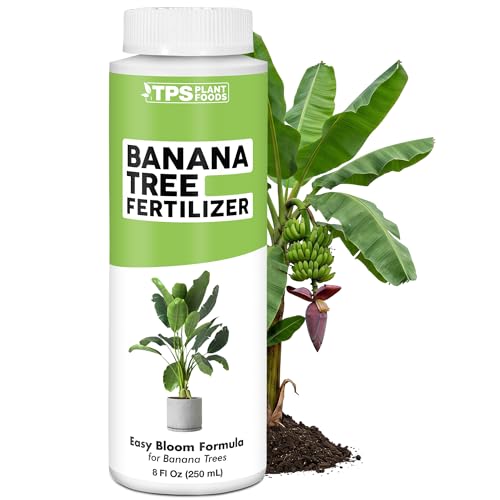
Made for Banana Trees – Specially formulated banana fertilizer designed to support the nutrient needs of banana plants.

PREMIUM WATER SOLUBLE FERTILIZER: Wellspring Gardens Banana Fuel Fertilizer provides a water-soluble and high-quality nutrient blend with minor elements to promote optimal growth for your banana plants. Its premium 15-5-30 blend ensures that your banana plants are healthy and happy.
Irrigation Techniques for Banana Trees
Irrigating banana trees in Colorado Springs presents unique challenges due to the region’s altitude and climate. Understanding effective irrigation techniques is essential for ensuring these tropical plants thrive in a less-than-ideal environment. This section explores various methods to optimize water usage and promote healthy growth for banana trees in this specific locale.
Banana trees require consistent moisture but should not be waterlogged.
Frequency: Water deeply once a week, adjusting based on rainfall.
Mulching: Apply mulch to retain moisture and regulate soil temperature.
Banana Tree Fertilization Timing in Colorado Springs
Understanding the optimal timing for fertilizing banana trees in Colorado Springs is crucial for their growth and productivity. Given the unique climate and altitude of the region, proper fertilization can significantly impact the health of these tropical plants. This section will explore the best practices for fertilizing banana trees to ensure they thrive in Colorado’s conditions.
Regular fertilization promotes growth and fruit production.
Type of Fertilizer: Use a balanced fertilizer, such as a 10-10-10 NPK blend.
Frequency: Fertilize every 6-8 weeks during the growing season.
Managing Pests for Healthy Banana Trees
Successfully growing banana trees in Colorado Springs requires careful attention to pest management. The unique climate and altitude can attract specific pests that threaten the health of these tropical plants. Understanding how to identify and control these pests is essential for ensuring your banana trees thrive in this environment.
Pests can pose a significant threat to banana trees. Identifying and managing these threats is vital for healthy growth.
Pests Affecting Banana Trees in Colorado Springs
In Colorado Springs, the unique climate and altitude present challenges for growing banana trees, particularly when it comes to pest management. Understanding the specific pests that can affect these tropical plants is crucial for successful cultivation in this region. This section delves into the common pests that gardeners may encounter and offers insights on how to protect banana trees from potential threats.
Aphids: Small insects that suck sap from leaves.
Spider Mites: Tiny pests that can cause leaf discoloration.
Natural Predator Introduction for Aphid Control
In the quest for effective aphid control, understanding the role of natural predators is crucial. These beneficial insects can significantly reduce aphid populations without the need for chemical interventions. By introducing or encouraging these predators in your garden, you can create a more balanced ecosystem that supports healthy plant growth while minimizing pest issues.
Natural Predators: Introduce ladybugs to control aphid populations.
Insecticidal Soap: Apply as needed to manage infestations.
Winter Care for Banana Trees in Colorado Springs
Caring for banana trees in Colorado Springs during the winter months presents unique challenges due to the region’s altitude and climate. Understanding the specific needs of these tropical plants in colder temperatures is essential for their survival. This section explores effective strategies for protecting banana trees from frost and ensuring their health throughout the winter season.
Winter preparation is crucial for banana trees in Colorado Springs. Proper steps can protect trees from harsh conditions.
Banana Tree Winterization Strategies
Winterizing banana trees in Colorado Springs requires careful planning due to the region’s altitude and climate challenges. As temperatures drop, implementing effective strategies will help protect these tropical plants from frost and ensure their survival through the colder months. Understanding the specific needs of banana trees in this unique environment is essential for successful winterization.
Cut Back Leaves: Trim back leaves to reduce wind resistance.
Insulate the Base: Use straw or mulch around the base to protect roots.
Container Cultivation for Banana Trees
Growing banana trees in Colorado Springs can be challenging due to the region’s altitude and climate. However, container cultivation offers a viable solution, allowing gardeners to control environmental factors and provide the warmth and moisture these tropical plants need. This approach can help ensure successful growth and fruiting even in less-than-ideal conditions.
Consider growing banana trees in containers for easier winter protection.
Mobility: Move containers indoors during extreme cold.
Soil Management: Use a high-quality potting mix for container growth.
Banana trees can be a rewarding addition to your garden in Colorado Springs with the right care and attention.
