Close Menu
    Fruit Tree Hub
    • Home
    • Apple Trees
    • Lemon Trees
    • Mango Trees
    • Orange Trees
    • More Trees
      • Best Fruit Trees
      • Apricot Trees
      • Cherry Trees
      • Fig Trees
      • Lime Trees
      • Mulberry Trees
      • Peach Trees
      • Pear Trees
      • Plum Trees
      • Pomegranate Trees
    • Tips and Advice
      • Tools
    • About Us
      • Contact
      • Privacy Policy
    Fruit Tree Hub
    Home»Planting»Can Almond Trees Grow in Delaware? Expert Climate Advice
    Planting

    Can Almond Trees Grow in Delaware? Expert Climate Advice

    Lucy SmithBy Lucy SmithFebruary 22, 20255 Mins Read
    Share Facebook Twitter Pinterest WhatsApp Email
    Share
    Facebook Twitter LinkedIn Pinterest Telegram Email

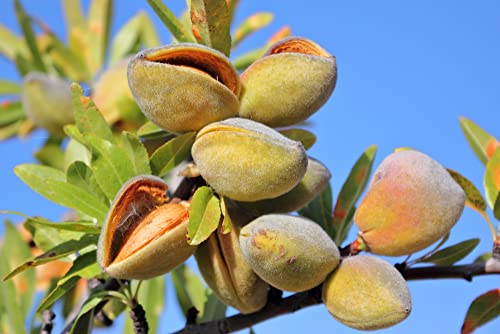
    Almond trees can grow in Delaware, but success hinges on specific climate conditions and soil types. Understanding the local climate and selecting the right almond variety is crucial for optimal growth and yield.

    Contents show
    1 Almond Varieties for Delaware’s Climate
    1.1 Recommended Almond Varieties for Delaware Climate
    1.2 Almond Tree Soil Preparation Guidelines
    1.3 Irrigation Techniques for Almond Trees
    1.4 Integrated Pest Control for Almond Trees
    1.5 Optimal Almond Harvest Timing and Methods
    1.6 Year-Round Almond Tree Care Guidelines

    Almond Varieties for Delaware’s Climate

    Delaware experiences a humid subtropical climate, characterized by hot summers and mild winters. Almond trees thrive in regions with a Mediterranean climate, which includes hot, dry summers and cool, wet winters. The key to growing almonds in Delaware lies in selecting varieties that can tolerate the state’s winter temperatures and humidity levels.

    Recommended Products

    Smooth Avocado Tree Live Plant, Balcony Fruit Tree, 6-12 Inch Tall
    Smooth Avocado Tree Live Plant, Balcony Fruit Tree, 6-12 Inch Tall

    Easy to Grow – Requires minimal care and thrives in full sun or partial shade

    VIEW LATEST PRICE

    As an affiliate, we earn on qualifying purchases.

    50 Saskatoon Serviceberry Seeds for Planting - Amelanchier alnifolia Hardy Edible Berry Shrub – Cold Hardy Native Fruit Seeds with White Spring Flowers and Brilliant Fall Color (50 Seeds)
    50 Saskatoon Serviceberry Seeds for Planting - Amelanchier alnifolia Hardy Edible Berry Shrub – Cold Hardy Native Fruit Seeds with White Spring Flowers and Brilliant Fall Color (50 Seeds)

    HARDY NATIVE BERRY SHRUB: Saskatoon serviceberry is a cold-hardy North American native plant known for its resilience and adaptability. It thrives in many climates and is a dependable shrub for home gardens and edible landscapes.

    VIEW LATEST PRICE

    As an affiliate, we earn on qualifying purchases.

    5pcs Fresh Almond Tree Seeds, Premium Heirloom Variety for Planting, Fast-Growing Nut Tree for Home Garden, Orchard, Backyard Farming, Easy to Grow Edible Tree Seeds for Outdoor Cultivation
    5pcs Fresh Almond Tree Seeds, Premium Heirloom Variety for Planting, Fast-Growing Nut Tree for Home Garden, Orchard, Backyard Farming, Easy to Grow Edible Tree Seeds for Outdoor Cultivation

    Seed Preparation: Soak the seeds in room-temperature water for 24–48 hours to soften the outer shell and promote germination.

    MUST READ
    Almond Trees in Boston, MA (New England Coastal Solutions)
    VIEW LATEST PRICE

    As an affiliate, we earn on qualifying purchases.

    Recommended Almond Varieties for Delaware Climate

    When considering almond cultivation in Delaware, selecting the right variety is crucial for successful growth. The state’s unique climate conditions can impact the performance of different almond types, making it essential to choose those best suited for local temperatures and soil types. Here are some recommended almond varieties that thrive in Delaware’s environment.

    Choosing the right almond variety is essential for successful cultivation in Delaware. Some varieties are more resilient to colder temperatures and humidity. Here are a few recommended varieties:

    • Carmel: Adaptable and produces high-quality nuts.

    • Tuono: Known for its cold hardiness and excellent flavor.

    • Sonora: Offers a longer harvest season and good disease resistance.

    VarietyCold HardinessYield PotentialDisease Resistance
    CarmelModerateHighGood
    TuonoHighModerateExcellent
    SonoraModerateHighGood

    Almond Tree Soil Preparation Guidelines

    Almond trees prefer well-draining soil rich in organic matter. The soil pH should ideally range from 6.0 to 7.5. Heavy clay or compacted soils can hinder root development and lead to waterlogging. To prepare the soil for almond planting, consider the following steps:

    • Test Soil pH: Use a soil testing kit to determine acidity or alkalinity.

    • Amend Soil: Add compost or well-rotted manure to improve drainage and nutrient content.

    • Tillage: Loosen compacted soil to promote root growth.

    Irrigation Techniques for Almond Trees

    Irrigation is crucial for the successful cultivation of almond trees, especially in regions like Delaware where rainfall may not meet their needs. Understanding effective irrigation techniques can help ensure these trees thrive in varying climates. This section explores the best practices for watering almond trees to promote healthy growth and maximize yield.

    MUST READ
    Can Banana Trees Grow in Madison, WI? (Upper Midwest Secrets)

    Proper watering is vital for almond tree health. Almond trees require consistent moisture, especially during the growing season. Here are effective irrigation strategies:

    • Drip Irrigation: Provides targeted watering and reduces water waste.

    • Mulching: Retains soil moisture and suppresses weeds.

    • Monitor Soil Moisture: Use moisture sensors to avoid over or under-watering.

    StrategyBenefitsConsiderations
    Drip IrrigationEfficient water useInitial setup cost
    MulchingMoisture retentionRequires periodic replenishment
    Soil MonitoringPrevents water stressNeeds regular checking

    Integrated Pest Control for Almond Trees

    Integrated pest control is essential for maintaining healthy almond trees, especially in regions like Delaware where specific climate conditions can influence pest populations. Understanding the local ecosystem and employing a combination of biological, cultural, and chemical strategies can significantly enhance the resilience of almond trees against pests. This section explores effective methods tailored to the unique challenges faced by almond growers in the area.

    Pest and disease management is crucial for almond tree health. Common threats include aphids, spider mites, and fungal diseases.

    Implementing an integrated pest management plan can help. Consider these practices:

    • Regular Inspections: Check trees for signs of pests or disease.

    • Natural Predators: Introduce beneficial insects like ladybugs to control aphid populations.

    • Fungicide Application: Apply fungicides during wet seasons to prevent fungal infections.

    Optimal Almond Harvest Timing and Methods

    Understanding the optimal timing and methods for harvesting almonds is crucial for maximizing yield in Delaware’s unique climate. This section delves into the best practices for almond harvesting, taking into account local weather patterns and soil conditions to ensure a successful crop. By following these guidelines, growers can enhance their chances of a fruitful almond harvest.

    MUST READ
    Cherry Trees in Vermont: New England Cold-Hardiness Tips

    Harvesting almonds at the right time ensures maximum flavor and quality. Almonds are typically harvested in late summer to early fall. Here are steps for effective harvesting:

    • Check for Ripeness: Almonds should have a hard shell and the hull should split.

    • Mechanical Harvesting: Use a shaker to dislodge nuts from the tree.

    • Drying: Spread harvested almonds in a single layer to dry in a cool, shaded area.

    Harvesting StepDescriptionTiming
    Check for RipenessEnsure nuts are fully maturedLate summer to fall
    Mechanical HarvestingUse shakers for efficiencyDuring peak harvest time
    DryingPrepare nuts for storageImmediately after harvest

    Year-Round Almond Tree Care Guidelines

    Growing almond trees in Delaware requires careful attention throughout the year to ensure their health and productivity. Understanding the specific climate conditions and seasonal needs is crucial for successful cultivation. This section provides comprehensive guidelines for year-round care, helping you navigate the unique challenges of almond tree maintenance in this region.

    Seasonal care is vital for maintaining healthy almond trees throughout the year. Each season requires specific care routines. Here’s a breakdown:

    • Spring: Fertilize with a balanced fertilizer to support growth.

    • Summer: Monitor water levels and apply mulch.

    • Fall: Prepare trees for winter by pruning and applying protective measures.

    Regular care and attention to seasonal needs can significantly improve almond yield and tree health.

    Almond trees can thrive in Delaware with the right varieties, soil preparation, and care strategies. Proper management practices will lead to successful cultivation and a fruitful harvest.

    Share. Facebook Twitter Pinterest LinkedIn Tumblr Email
    lucy smith
    Lucy Smith
    • Website

    Lucy Smith is a highly experienced horticulturist with a passion for fruit tree cultivation. She holds a degree in Horticulture from the University of California, Davis, and has worked in various roles in the industry. With over 10 years of experience, Lucy is dedicated to using eco-friendly methods for sustainable gardening practices.

    Related Posts

    Can Olive Trees Grow in New Jersey? Garden State Growth Tips

    July 11, 2026

    Can Star Fruit Trees Grow in Missouri? Expert Variety Guide

    July 10, 2026

    How to Grow Jujube Trees in Las Vegas, NV: Desert Growth

    July 10, 2026

    Mango Trees in Illinois: Indoor and Greenhouse Growth Secrets

    July 10, 2026

    Growing Papaya Trees in Oklahoma: High Heat Resilience

    July 10, 2026

    Tamarind Trees in a Pot in Ohio (Complete Maintenance Manual)

    July 10, 2026
    Leave A Reply Cancel Reply

    Affiliate Disclosure

    As an Amazon Associate I earn from qualifying purchases.

    Recommended Reading

    Which Fruit Trees Are Not Self Pollinating and How to Maximize Your Harvest

    Growing the Best Fruit Trees for Canberra: A Complete Guide to Thriving Orchards

    When Do We Prune Fruit Trees to Maximize Growth and Yield for Healthy Harvests

    Papaya Trees in a Pot in Oregon: PNW Container Success Secrets

    Why Olive Tree Is Not Fruiting and How to Encourage Healthy Production

    How to Prune Raspberries for a Bountiful Harvest: Essential Techniques and Tools

    Are Pomegranate Trees Drought Tolerant

    Why is My Tangerine Tree Losing Leaves? Tips to Restore Leafy Health

    How Long Till a Lemon Tree Bears Fruit: A Complete Guide to Growing and Harvesting Lemons

    How to Prune Fruit Trees in Winter for Healthier Growth and Bountiful Harvests

    Fruit Tree Hub

    Fruit Tree Hub is a website dedicated to providing you everything you need to grow fruit trees successfully at in your own yard.

    Contact us at: [email protected]

    - AFFILIATE DISCLOSURE: As an Amazon Associate I earn from qualifying purchases.

    Latest Posts

    Can Olive Trees Grow in New Jersey? Garden State Growth Tips

    Can Star Fruit Trees Grow in Missouri? Expert Variety Guide

    How to Grow Jujube Trees in Las Vegas, NV: Desert Growth

    Mango Trees in Illinois: Indoor and Greenhouse Growth Secrets

    Growing Papaya Trees in Oklahoma: High Heat Resilience

    Tamarind Trees in a Pot in Ohio (Complete Maintenance Manual)

    Can Fig Trees Grow in Long Beach, CA? Coastal Salt Tips

    Plum Trees in District of Columbia (Urban Microclimate Tips)

    Categories
    • Almond Trees
    • Apple Trees
    • Apricot Trees
    • Best Fruit Trees
    • Blackberry
    • Cantaloupe
    • Cherry Trees
    • Crochet Ideas
    • Crochet Ideas for Beginners
    • Cucamelon
    • Easy Crochet Ideas
    • Easy Knitting Projects
    • Fig Trees
    • Grapefruit Trees
    • Grapes
    • Guava Trees
    • Honeydew
    • Jujube Trees
    • Kiwi
    • Knitting For Beginners
    • Knitting Ideas
    • Knitting Inspiration
    • Lemon Trees
    • Lime Trees
    • Loquat Trees
    • Mango Trees
    • Mulberry Trees
    • Nectarine Trees
    • Olive Trees
    • Orange Trees
    • Papaya Trees
    • Peach Trees
    • Pear Trees
    • Persimmon Trees
    • Planting
    • Plum Trees
    • Pomegranate Trees
    • Quince Trees
    • Raspberry
    • Reviews
    • Small Crochet Ideas
    • Star Fruit Trees
    • Summer Crochet Ideas
    • Tamarind Trees
    • Tangerine Trees
    • Tips and Advice
    • Tools
    • Uncategorized
    • Walnut Trees
    © 2026 Fruit Tree Hub
    • Home
    • About Us
    • Contact
    • Privacy Policy
    • Terms and Conditions
    • Disclaimer
    • Editorial Policy
    • Affiliate Disclosure

    Type above and press Enter to search. Press Esc to cancel.