

Cherry trees can thrive in Tucson, AZ, with the right heat-tolerant varieties. Selecting the best options ensures successful growth and fruit production in the region’s intense climate.
Recommended Heat-Tolerant Cherry Varieties
In Tucson’s challenging climate, selecting the right cherry tree variety is crucial for successful cultivation. This section highlights the most recommended heat-tolerant cherry varieties that thrive in high temperatures, ensuring a fruitful harvest while adapting to the unique environmental conditions of the region. Understanding these options can help gardeners make informed choices for their landscapes.
Choosing the right cherry tree variety is essential for success in Tucson’s hot climate. Heat-tolerant varieties can withstand high temperatures and still produce fruit. Here are some recommended options:
Bing Cherry: A popular choice known for its sweet flavor and dark red color.
Stella Cherry: Self-pollinating, this variety is ideal for smaller spaces and produces large, flavorful cherries.
Lapins Cherry: Another self-pollinating option, Lapins are known for their resistance to cracking and excellent taste.
Recommended Products

[Lush Double Blooms in Mixed Shades] Produces clusters of fully double flowers with 10-30 petals per bloom. Flowers appear in a range of shades from soft pink to rich rose. Each branch becomes covered in cascading floral clusters.
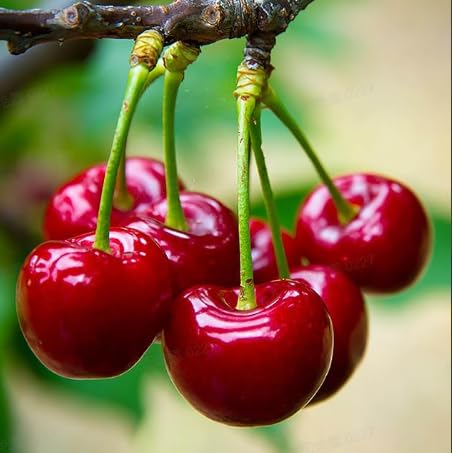
Basic Seed Attributes & Planting Scenarios: 20 Pcs Cherry Tree Seeds, non-GMO heirloom variety, with sweet and tender juicy fruits, suitable for home garden cultivation, and can be planted both indoors and outdoors.

Growing Cherry Seeds: Requires a multi-month cold period called stratification to mimic winter, followed by warm, bright conditions and consistently moist soil for germination. You must also be patient, as it takes 7-10 years for a cherry tree grown from seed to produce fruit, which may not be identical to the parent tree
Heat-Tolerant Cherry Varieties Data Table
Tucson’s unique climate presents challenges for cherry tree cultivation, yet certain heat-tolerant varieties thrive despite the high temperatures. The following data table provides a comprehensive overview of these resilient cherry varieties, detailing their characteristics and performance in the Arizona heat. This information is essential for gardeners and horticulturists looking to successfully grow cherries in this arid environment.
| Variety | Heat Tolerance | Pollination Type | Flavor Profile | Average Yield |
|---|---|---|---|---|
| Bing | Moderate | Requires partner | Sweet | 20-30 lbs |
| Stella | High | Self-pollinating | Sweet | 15-25 lbs |
| Lapins | High | Self-pollinating | Sweet-tart | 20-35 lbs |
Soil and Sun Needs for Cherry Trees
Understanding the soil and sunlight requirements for cherry trees is crucial for successful cultivation in Tucson’s unique climate. This section delves into the specific conditions that these heat-tolerant varieties thrive in, ensuring optimal growth and fruit production in the arid environment of southern Arizona. Proper care in these areas can significantly enhance the health and yield of your cherry trees.
Cherry trees thrive in well-drained soil and require full sun for optimal growth. Proper soil preparation is crucial for establishing healthy roots. Consider these factors:
Soil pH: Aim for a pH between 6.0 and 7.0.
Drainage: Ensure the soil drains well to prevent root rot.
Sunlight: Cherry trees need at least 6-8 hours of direct sunlight daily.
Cherry Tree Planting Guidelines for Tucson
Planting cherry trees in Tucson requires careful consideration of the local climate and soil conditions. Given the region’s heat, selecting heat-tolerant varieties is essential for successful growth. This section outlines the best practices for planting cherry trees in Tucson, ensuring they thrive in the unique environmental conditions of the area.
When planting cherry trees, timing and location matter. Follow these guidelines for successful planting:
Best Planting Time: Early spring or fall is ideal for planting.
Spacing: Space trees 20-30 feet apart to allow for growth.
Watering: Water deeply after planting and maintain consistent moisture during dry spells.
Identifying Cherry Tree Pests and Diseases
Understanding the pests and diseases that affect cherry trees is crucial for maintaining their health, especially in the unique climate of Tucson, AZ. This section delves into the common threats these heat-tolerant varieties face, providing insights on identification and management strategies to ensure a thriving cherry tree population in the region.
Pests and diseases can threaten cherry trees in Tucson. Identifying and addressing these issues early is vital for tree health. Common threats include:
Cherry Fruit Fly: Affects fruit quality; use traps to monitor.
Powdery Mildew: Fungal disease that appears as white powder; treat with fungicides.
Aphids: Small insects that can weaken trees; use insecticidal soap for control.
Recommended Products

Yellow Sticky Traps -- Bright yellow color attract flying insects, and high quality glue keeps them from escaping. Specially designed for flying plant pests. Great for outdoor or indoor plant, especially potted plants.

Highly Effective & Reliable Fruit Fly Catcher: This fruit fly trap is expertly engineered to stop fruit flies where they hover most—kitchen counters, trash bins, and near fruit. See results in just 24 hours!

COMPREHENSIVE COVERAGE: 6-pack of TERRO fruit fly traps for indoors with 270 days of lure supply provides comprehensive pest control coverage for your home's fruit fly infestations
Pest Management Strategies for Cherry Trees
Effective pest management is crucial for the health and productivity of cherry trees, especially in the unique climate of Tucson, AZ. This section explores various strategies tailored to combat common pests while ensuring the resilience of heat-tolerant cherry varieties. By implementing these methods, growers can enhance their yields and maintain the vitality of their trees.
| Pest/Disease | Symptoms | Treatment | Difficulty (1-5) |
|---|---|---|---|
| Cherry Fruit Fly | Damaged fruit | Use traps and insecticides | 3 |
| Powdery Mildew | White powdery spots | Apply fungicides | 2 |
| Aphids | Leaf curling | Insecticidal soap | 1 |
Cherry Tree Watering Strategies for Tucson
In Tucson’s arid climate, effective watering strategies are crucial for the success of cherry trees. Understanding how to manage water efficiently can help these heat-tolerant varieties thrive, ensuring they receive the right amount without waste. This section explores practical techniques tailored to the unique conditions of Tucson, promoting healthy growth and fruit production.
Watering practices directly impact cherry tree health. In Tucson’s dry climate, proper watering techniques are crucial. Here are some effective methods:
Drip Irrigation: Provides consistent moisture directly to the roots.
Mulching: Helps retain soil moisture and regulate temperature.
Deep Watering: Encourage deep root growth by watering less frequently but deeply.
Recommended Products

NO MORE HARD INSTALLATION - SET UP IN MINUTES. Tired of struggling with stiff barbed fittings? This drip irrigation system features quick-connect fittings that let you push, lock, and secure tubing effortlessly. No tools, no leaks, just a smooth setup experience. Enjoy a frustration-free installation and get your garden watering system running in minutes.

SAVE TIME AND EFFORT: This plant watering kit has everything you need to get started with drip irrigation and precisely water up to ten individual plants. Use the kit to build, expand, or repair a drip irrigation system

🍀【Extra-Long 50FT 5/16” Mainline Tubing】 With 50 feet of premium 5/16” main tubing, you have more flexibility to build a central watering path across larger garden layouts. The enhanced flow capacity supports multiple emitters with consistent water pressure throughout your irrigation zones.
Watering Guidelines for Tucson Cherry Trees
Watering is crucial for the health and growth of cherry trees in Tucson’s arid climate. Understanding the specific needs of these heat-tolerant varieties can help ensure they thrive despite the challenging conditions. This section provides essential guidelines on how to effectively water cherry trees to promote robust development and fruit production.
Overwatering can lead to root rot and tree decline. Monitor soil moisture levels regularly to avoid this issue.
Plan for Seasonal Care and Maintenance
Caring for cherry trees in Tucson requires a thoughtful approach to seasonal maintenance, especially given the region’s unique climate challenges. Understanding the specific needs of heat-tolerant varieties is essential for promoting healthy growth and maximizing fruit production. This section outlines key strategies to ensure your cherry trees thrive throughout the year.
Seasonal care is essential for maintaining healthy cherry trees. Each season requires specific attention to ensure optimal growth and fruit production. Key maintenance tasks include:
Spring: Fertilize with a balanced fertilizer to promote growth.
Summer: Monitor for pests and diseases; prune as necessary.
Fall: Prepare for winter by mulching and watering adequately.
Heat-Tolerant Cherry Variety Care Tips
Caring for heat-tolerant cherry varieties in Tucson requires specific strategies to ensure their health and productivity. With the region’s intense sun and fluctuating temperatures, understanding proper watering, soil management, and pest control is essential for thriving trees. These tips will help you cultivate robust cherry trees that can withstand the challenges of a desert climate.
Selecting the right heat-tolerant cherry variety and implementing proper care techniques will lead to fruitful trees in Tucson. Regular monitoring and maintenance are key to thriving cherry trees.
