

Choosing the best pear trees for pots in California involves selecting varieties that thrive in the state’s unique climate. Dwarf and semi-dwarf varieties are ideal for container gardening, as they adapt well to limited root space and provide fruitful yields.
Best Dwarf Pear Trees for Container Gardening
For those looking to cultivate a fruitful garden in limited spaces, dwarf pear trees offer an ideal solution. These compact varieties thrive in containers, making them perfect for patios and small yards in California’s diverse climate. Discover the best options for dwarf pear trees that not only fit your space but also promise a bountiful harvest.
Selecting the right pear tree variety is crucial for successful growth in pots. Dwarf varieties are particularly suited for container gardening, as they remain small while producing delicious fruit. Here are some of the best options:
| Variety Name | Height | Fruit Type | Pollination |
|---|---|---|---|
| Bartlett | 8-10 feet | Sweet | Self-pollinating |
| Bosc | 6-8 feet | Firm and sweet | Requires pollinator |
| Seckel | 4-6 feet | Small and sweet | Self-pollinating |
| Kieffer | 10-12 feet | Juicy and crisp | Requires pollinator |
Recommended Products

🌳 3-Pack Fruit Tree Bundle Includes live apple, blueberry, blackberry trees—perfectly paired for a diverse and productive backyard orchard.

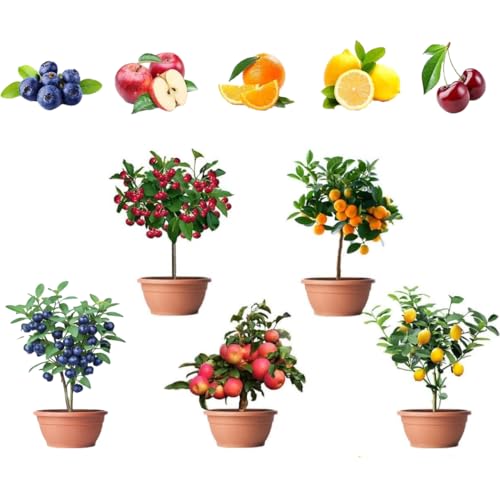
Variety Pack of 5 Fruits: Includes 40 Lemon seeds, 40 Orange seeds, 40 Apple seeds, 20 Cherry seeds, and 20 Blueberry seeds for a colorful and diverse home garden
Potting Techniques for Healthy Pear Trees
Growing pear trees in pots can be a rewarding endeavor, especially in California’s diverse climate. Proper potting techniques are essential for ensuring these trees thrive, providing both aesthetic appeal and delicious fruit. This section will explore effective methods to pot pear trees, tailored to the specific needs of the region.
Proper potting techniques are vital for the health of your pear trees. Container size, soil type, and watering practices significantly impact growth. Follow these guidelines for optimal results:
Choose the right pot size: Select a pot that is at least 18-24 inches in diameter to allow for adequate root growth.
Use quality potting soil: A well-draining potting mix enriched with organic matter will help retain moisture and provide essential nutrients.
Monitor watering: Pear trees in pots require consistent moisture. Water when the top inch of soil feels dry, ensuring excess water can drain.
Container Pear Tree Fertilization Guide
Fertilizing container pear trees is essential for promoting healthy growth and fruit production, especially in California’s unique climate. Understanding the specific nutrient needs and timing for fertilization can significantly enhance the vitality of your potted pear trees. This guide will provide you with practical tips to ensure your trees thrive in their containers.
Fertilizing your pear trees correctly ensures they receive the nutrients they need for healthy growth and fruit production. A balanced fertilizer applied at the right times is essential. Consider the following:
Early spring: Apply a slow-release fertilizer high in nitrogen to promote leaf growth.
Mid-summer: Use a balanced fertilizer to support fruit development.
Fall: A potassium-rich fertilizer can enhance fruit quality and prepare the tree for winter.
Pest and Disease Management for Container Pear Trees
Successfully growing pear trees in containers requires attention to pest and disease management, especially in California’s unique climate. Understanding the common threats to these trees and implementing effective control measures can ensure healthy growth and abundant fruit. This section will explore strategies to protect your container pear trees from potential issues.
Container-grown pear trees are susceptible to various pests and diseases. Regular monitoring and preventive measures can help maintain their health. Focus on these common issues:
Aphids: Check for clusters on new growth. Use insecticidal soap to eliminate them.
Pear scab: This fungal disease appears as dark spots on leaves. Apply a fungicide at the first sign of infection.
Root rot: Ensure proper drainage to prevent this issue, which is common in overwatered pots.
Winter Protection Strategies for Potted Pear Trees
When cultivating potted pear trees in California, winter can pose unique challenges that require careful attention. Implementing effective protection strategies is essential to ensure the health and productivity of your trees during the colder months. This section explores practical methods to safeguard your potted pear trees from frost and harsh weather conditions.
California’s mild winters can still pose challenges for potted pear trees. Protecting them during colder months is essential for their survival. Implement these strategies:
Move pots indoors: If temperatures drop below freezing, bring pots inside to a cool, sunny location.
Mulch the topsoil: Adding mulch can help insulate the roots and retain moisture.
Limit watering: Reduce watering frequency during winter months, as trees enter dormancy.
Top Pear Tree Varieties for Container Growth
When selecting pear trees for container growth in California, it’s essential to choose varieties that thrive in limited space while still producing delicious fruit. The right selection can lead to a fruitful harvest and a beautiful addition to your patio or garden. Here are some of the top pear tree varieties well-suited for pot cultivation in the region.
Understanding the differences between popular pear tree varieties can help you make an informed decision. Here’s a quick comparison:
| Variety | Flavor Profile | Best Use | Growth Habit |
|---|---|---|---|
| Bartlett | Sweet and juicy | Fresh eating, canning | Upright |
| Bosc | Firm and spicy | Fresh eating, baking | Spreading |
| Seckel | Sweet and aromatic | Fresh eating | Compact |
| Kieffer | Crisp and tangy | Cooking, preserves | Upright |
Potted Pear Tree Care Essentials
Growing pear trees in pots offers a unique opportunity to enjoy fresh fruit even in limited spaces. Proper care is essential for these trees to thrive in California’s diverse climate. This section outlines the key practices to ensure your potted pear tree remains healthy and productive throughout the year.
Choosing the right pear tree and following proper care techniques is essential for thriving potted trees in California. Monitor growth, adjust care as needed, and enjoy the fruits of your labor.
