

Are you wondering if you can plant raspberries in the fall? Picture this: it’s a crisp autumn day, and you’re eager to get your hands dirty in the garden. You may be thinking about adding some raspberry bushes to your backyard oasis, but you’re not sure if now is the right time.
Key Takeaways
- Fall planting for raspberries offers benefits like ideal soil conditions and reduced plant stress, leading to healthier growth.
- When preparing the garden for fall raspberry planting, choose a sunny location with well-drained soil and incorporate organic matter for optimal growth.
- Essential planting techniques include proper soil preparation, spacing guidelines, watering schedules, mulching techniques, and pruning guidance.
- Caring for raspberries post-planting involves regular watering, mulching to retain moisture, and protecting plants from frost.
- Common challenges when planting raspberries in the fall include pest management and disease prevention through inspection, natural predators, neem oil spray, sanitation practices, proper air circulation, and fungal treatments.
Benefits of Fall Planting for Raspberries
Fall planting offers several advantages for your raspberry bushes. Here are some key benefits to consider:
Ideal Soil Conditions
Planting raspberries in the fall allows them to establish their root systems before winter sets in. The cooler temperatures and moist soil create optimal conditions for root growth, enabling the plants to develop a strong foundation. This early establishment enhances their ability to absorb nutrients and water efficiently, leading to healthier growth in the following spring.
Reduced Plant Stress
By planting raspberries in the fall, you help reduce transplant shock and stress on the plants. During this season, cooler weather minimizes heat stress on newly planted bushes, allowing them to acclimate gradually to their new environment. This adjustment period promotes better survival rates and overall plant health come springtime.
Consider these benefits when deciding whether to plant raspberries in the fall—it’s a strategic choice that can yield fruitful results for your garden.
Preparing the Garden for Fall Raspberry Planting
When preparing your garden for fall raspberry planting, here are essential steps to ensure successful growth and bountiful harvests:
Recommended Products
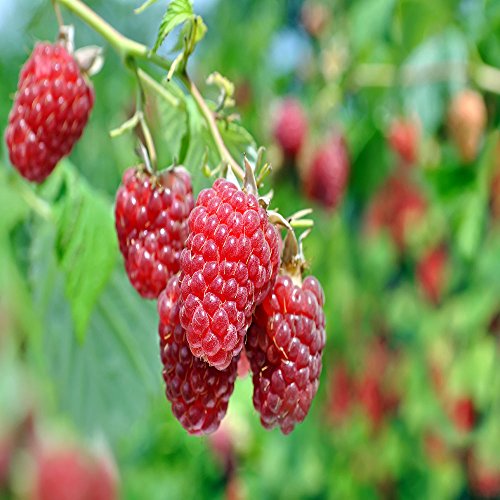
Sweet - Thornless - High Yielding

Package contains 6 pounds organic soil acidifier grains and is produced to avoid wasteful runoff, mess, hazards and smells

PREMIUM INGREDIENTS: This specifically crafted organic compost blend has a low pH premium formulation that is naturally lightweight and contains just the right ingredients ensuring healthy growth and beautiful results.
Choosing the Right Location
Select a sunny spot in your garden that receives at least 6-8 hours of sunlight daily. Raspberries thrive in well-drained soil, so avoid waterlogged areas. Ensure there’s ample space between plants for air circulation, which helps prevent diseases.
Soil Preparation and Amendments
Before planting raspberries in the fall, test your soil to determine its pH level. Aim for a slightly acidic to neutral pH between 5.5-7.0 for optimal growth. Incorporate organic matter like compost or aged manure into the soil to improve its structure and fertility. This step helps provide essential nutrients for healthy raspberry bushes.
By following these guidelines on location selection and soil preparation, you’ll set the stage for successful fall raspberry planting and enjoy a fruitful harvest in the seasons to come.
Planting Techniques for Raspberries in the Fall
Incorporating raspberries into your garden in the fall can set the stage for a successful harvest. Here are some essential planting techniques to ensure your raspberry bushes thrive during this season.
Recommended Products

PROFESSIONAL-GRADE ACCURACY: Engineered specifically for soil pH testing, delivering results quickly (in about 60 seconds). With a 3rd Generation, 3-pad ph tester strips design, our soil ph test kit ensures consistent, repeatable results for all your lawn, landscape and garden needs.

Soil Test Kit 3-9: Our Soil pH Test Strips 2 color blocks,highly accurate result showing, Monitor Your soil pH Level.

Optimal pH Balance: Expert blend, ideal acidic environment for azaleas, rhododendrons, and blueberries and more, ensures pH balance for growth and vibrant blooms
Best Practices for Planting
- Preparing the Soil: Ensure you choose a sunny location with well-drained soil for optimal growth. Raspberries prefer slightly acidic soil with a pH level between 5.5 and 6.5.
- Soil Testing: Test your soil’s pH levels before planting to determine if any amendments are needed to achieve the ideal growing conditions for raspberries.
- Adding Organic Matter: Incorporate organic matter, such as compost or well-rotted manure, into the soil before planting to improve its structure and nutrient content.
- Spacing Guidelines: Space your raspberry plants adequately to allow room for growth and airflow, typically around 2-3 feet apart within rows and 8 feet between rows.
- Planting Depth: When planting raspberry canes, ensure they are placed at the same depth as they were in their previous location or nursery container.
- Watering Schedule: Keep newly planted raspberries well-watered, especially during dry periods, to help them establish strong root systems before winter sets in.
- Mulching Technique: Apply a layer of mulch around raspberry plants after planting to conserve moisture, suppress weed growth, and protect roots from extreme temperatures.
- Pruning Guidance: Consider pruning back newly planted raspberries during late winter or early spring to encourage vigorous growth and fruit production in subsequent seasons.
Caring for Raspberries Post-Planting
After planting your raspberries in the fall, it’s crucial to care for them properly to ensure healthy growth and a bountiful harvest. Here are essential tips to help you maintain your raspberry bushes:
Recommended Products

Feed the soil not the plants - stimulate microbial activity in your soil and boost probability of success with all types of plants… like composting but faster

This fertilizer is blended especially for acid lovers such as rhododendrons, azaleas, camellias, hydrangeas, evergreens, blueberries, raspberries, strawberries, potatoes and other plants that need a low pH

Feed the soil not the plants - stimulate microbial activity in your soil and boost probability of success with all types of plants… like composting but faster
Watering and Mulching
Watering:
- Regular watering is essential, especially during dry spells.
- Provide about 1-2 inches of water per week to keep the soil consistently moist but not waterlogged.
- Avoid overhead watering to prevent disease spread; instead, use a soaker hose or drip irrigation at the base of plants.
Mulching:
- Apply a layer of mulch around the raspberry plants to retain moisture, suppress weeds, and regulate soil temperature.
- Use organic materials like straw, wood chips, or compost for mulching.
- Maintain a 2-4 inch depth of mulch, keeping it several inches away from the plant stems.
Protecting Plants from Frost
Frost Protection:
- Monitor weather forecasts regularly, especially in late fall and early spring when frost poses a risk.
- Cover raspberry plants with fabric or cloches if frost is predicted to protect tender new growth.
- Remove coverings during the day once temperatures rise above freezing to allow sunlight access.
By following these care guidelines post-planting, you’ll nurture your raspberry bushes effectively and set the stage for a successful growing season.
Common Challenges and Solutions
When planting raspberries in the fall, you may encounter common challenges. Here are some solutions to help you address these issues effectively:
Pest Management
To manage pests when planting raspberries in the fall:
- Inspect Regularly: Check your raspberry bushes frequently for signs of pest infestations.
- Natural Predators: Encourage beneficial insects like ladybugs that prey on harmful pests.
- Neem Oil Spray: Use neem oil spray as a natural remedy to deter common raspberry pests.
Disease Prevention
To prevent diseases while cultivating fall raspberries:
- Sanitation Practices: Keep your garden clean by removing fallen leaves and debris regularly.
- Proper Air Circulation: Ensure adequate spacing between raspberry plants to promote airflow and reduce disease risk.
- Fungal Treatments: Apply fungicides preventively or at the first signs of fungal infections for disease control.
By implementing these pest management and disease prevention strategies, you can enhance the health and yield of your fall-planted raspberry bushes.
Conclusion
You’ve learned about the advantages of fall planting for raspberries, from optimal soil conditions to reduced plant stress. By establishing strong roots before winter sets in, your raspberry plants can thrive. Remember, cooler weather helps minimize transplant shock, ensuring better survival rates and overall plant health. Preparation is key – follow the essential steps outlined to ready your garden for fall raspberry planting. Addressing challenges like pest management and disease prevention will help your plants stay healthy and yield delicious berries. Happy planting!
Frequently Asked Questions
Why is fall planting beneficial for raspberries?
Fall planting offers benefits like optimal soil conditions and reduced plant stress, allowing raspberries to establish strong root systems before winter.
How does fall planting help minimize transplant shock?
Cooler weather during fall planting reduces transplant shock, leading to better survival rates and overall plant health for raspberries.
What are essential steps for preparing the garden for fall raspberry planting?
Prepare the garden by clearing debris, testing soil pH, adding compost or fertilizer, and ensuring proper drainage before planting raspberries in the fall.
How can I manage pests and prevent diseases when planting raspberries in the fall?
Implement pest management strategies such as pruning infected branches and using organic sprays to prevent diseases, promoting healthier raspberry plants with higher yields.
