

Do you worry about your fruit trees when the temperature drops? You’re not alone. Many gardeners face the challenge of protecting their beloved trees from harsh winter freezes that can damage or even kill them.
Imagine stepping outside to find your trees struggling to survive after a sudden frost. It’s a heart-wrenching sight that can leave you feeling helpless. But don’t fret—there are effective ways to shield your trees from the cold.
Key Takeaways
- Understanding Freeze Damage: Freezing temperatures can harm fruit trees by causing bud damage, leaf drop, bark cracking, and root impairment, emphasizing the need for protective measures.
- Signs of Damage: Look for discolored leaves, fallen buds, cracked bark, and stunted growth as indicators of freeze damage to take corrective action promptly.
- Effective Prevention Methods: Choose cold-hardy fruit tree varieties suited for your climate and plant them in protected locations to enhance their chances of surviving winter.
- Insulation Techniques: Use mulch to insulate roots and blankets or tarps to cover trees during extreme cold snaps, ensuring proper moisture management.
- Proper Hydration Practices: Water trees adequately before freezing nights and maintain consistent soil moisture to enhance their resistance to cold temperatures.
- Seasonal Care Importance: Implement late fall preparations and early spring maintenance, including pruning and mulching, to support fruit tree health and resilience against freezing conditions.
Understanding Fruit Tree Freezing
Protecting your fruit trees from freezing temperatures is essential for their health and productivity. Understanding the risks and symptoms of freeze damage helps you take action effectively.
Effects of Freezing Temperatures on Fruit Trees
Freezing temperatures can cause significant harm to fruit trees. The following effects may occur:
- Bud Damage: Buds may die when temperatures drop below 28°F (-2°C). This can affect fruit production for the entire season.
- Leaf Drop: Exposure to frost leads to early leaf drop, weakening the tree’s ability to photosynthesize.
- Bark Cracking: Sudden temperature fluctuations can cause bark to crack, opening wounds for pests and diseases.
- Root Damage: Soil freezing can impair the roots’ ability to absorb water and nutrients, inhibiting growth.
Knowing these effects helps you recognize the importance of safeguarding your trees during the winter months.
Signs of Freeze Damage
Identifying freeze damage promptly allows you to take corrective measures. Look for these signs:
- Discolored Leaves: Brown or blackened leaves indicate frostbite or freeze damage.
- Fallen Buds: If buds are missing or have fallen from trees, it suggests damage occurred during freezing temperatures.
- Cracked Bark: Visible cracks or splits in the bark signal that your tree may have suffered from severe cold.
- Stunted Growth: If your tree shows little to no new growth during the spring, it may be struggling from previous freeze damage.
Observing these signs early enables better protection for your fruit trees in future winters.
Prevention Methods
Protecting your fruit trees from freezing temperatures involves a few key strategies. Implementing these methods can significantly reduce the risk of frost damage.
Recommended Products

The Large plant cover is perfect for Plant size 55''-70"high and 84''-94" round, Heavy-weight FRCs (1.77oz./sq. yard): usually used to extend the growing season in spring and fall, allow 40%-60% light transmittance, and recommend 3°-8°F of freeze protection
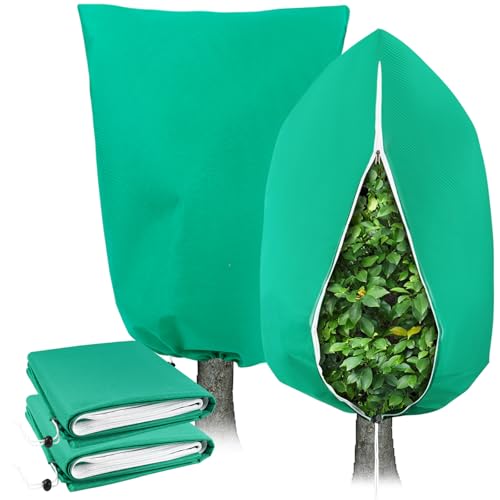
PLANT COVERS FREEZE PROTECTION FOR WINTER:You will receive 2 pack 47 * 72 inch frost blankets cloths for outdoor plants, designed specifically for outdoor plant protection, which can resist frost, snow, rain, wind, hail, animals, insects, birds, etc. Frost cloths for outdoor plants providing sufficient coverage space and is very suitable for shrubs, small trees, flowers, vegetables, etc

PACKAGE: The package includes 4Pcs plant covers,will meet your daily use or replacement. Measuring 31.5" x 47.3", the plant protector is waterproof, windproof.
Choosing the Right Varieties
Select fruit tree varieties that are cold-hardy and suited to your climate zone. Look for local resources or extension services to identify the best types. For example, apples and pears are often more resilient in colder areas. Consider planting fruit trees that naturally thrive in your environment to increase their chances of surviving winter conditions.
Ideal Planting Locations
Position your fruit trees in areas that provide maximum protection from harsh winter winds. Plant them on the south or southeast side of your property, where they receive sunlight during the day. Avoid low-lying areas that are prone to frost pockets, as cool air collects there. Elevating your trees on a slope also helps. Insulating your trees with mulch or protective barriers can further shield them from extreme temperatures.
Insulation Techniques
Insulating your fruit trees effectively protects them from freezing temperatures. This section covers two primary methods: mulching and using blankets or tarps.
Mulching for Protection
Mulching provides excellent insulation against cold weather. Apply a 3-4 inch layer of organic mulch, such as wood chips, straw, or shredded leaves, around the base of your trees. This layer helps retain soil warmth, prevents temperature fluctuations, and protects roots from frost. Spread the mulch evenly, extending it a few feet beyond the trunk. Avoid piling mulch directly against the trunk, as this can create moisture issues. Check the mulch throughout the winter to ensure it remains intact and replenish as needed.
Using Blankets and Tarps
Using blankets and tarps offers additional protection during extreme cold snaps. Choose lightweight, breathable materials for covering your trees without trapping moisture. Drape the blanket or tarp over the tree, securing it at the base with rocks or stakes to prevent wind from blowing it away. Ensure that the cover does not touch the foliage to avoid damage. Remove the covering during warmer days to prevent overheating and moisture buildup. Monitor local weather forecasts and cover your trees when harsh conditions are expected.
Watering Strategies
Effective watering strategies play a crucial role in keeping your fruit trees from freezing. Proper hydration builds resilience against cold temperatures and promotes overall tree health.
Recommended Products
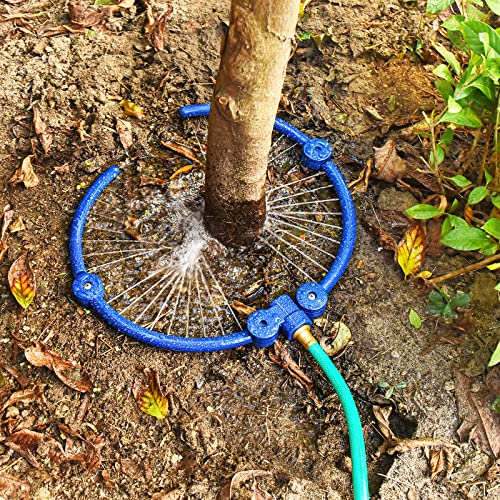
【Specially Designed for Trees and Shrubs】 The Watering Ring is a multi-purpose irrigation ring that attaches to a garden hose to efficiently water young trees shrubs vegetables or flower beds using drip or trickle irrigation.It directs water to the root perimeter of the plant to give them a good start during the first two growing seasons or through periods of drought.

Upgrade Adjustable Flow Control Valve Design – Our tree watering ring comes with yellow adjustable drip nozzles to freely control water seepage speed, unlike fixed emitters on ordinary watering bags. You can customize slow release time from several hours to all day, deliver even water distribution to tree deep roots, effectively reduce water waste and avoid drought shock & transplant shock for newly planted trees.

[10-Gallon Water Capacity]: Holds a substantial volume of water to support consistent root zone moisture
Importance of Proper Hydration
Hydration impacts a tree’s ability to withstand freezing temperatures. Well-hydrated trees store moisture in their tissues, which acts as a buffer against frost damage. During winter, trees utilize hydration reserves to maintain cellular function. For optimal results, ensure your trees receive adequate watering before the cold weather sets in.
- Water Deeply: Ensure the soil surrounding the roots is moist. Water deeply once a month during the winter months if the ground isn’t frozen. This encourages root establishment and supports moisture retention.
- Water Before Freezing Nights: If a hard freeze is imminent, water your trees mid-afternoon on the day before. Moist soil retains heat better than dry soil, creating a warmer environment for the roots.
- Use Drip Irrigation: Consider a drip irrigation system. This method delivers water directly to the soil, ensuring moisture penetrates deeply without evaporation loss.
- Monitor Soil Moisture: Check soil moisture regularly. Insert your finger about two inches into the soil; if it’s dry, it’s time to water. Keeping the soil consistently moist helps prevent dehydration.
- Avoid Overwatering: Be cautious of overwatering, which can lead to root rot. Ensure good drainage around your trees to maintain healthy soil conditions.
- Mulch After Watering: Apply mulch after watering to maintain soil moisture levels. A 2-3 inch layer of organic mulch keeps the ground insulated and helps retain hydration.
Implementing these strategies maximizes your fruit trees’ chances of surviving harsh winter conditions. By focusing on hydration, you create a solid foundation for your trees’ health and vigor.
Seasonal Care Tips
Seasonal care plays a crucial role in protecting your fruit trees from freezing temperatures. Here are key strategies for both late fall and early spring care.
Late Fall Preparations
Late fall preparations are vital for safeguarding your fruit trees.
- Prune Wisely: Prune trees to remove dead or diseased branches. This promotes healthy growth and reduces the risk of breakage under snow loads.
- Apply Fertilizer: Apply a balanced fertilizer in late fall. This gives your trees the nutrients they need to strengthen roots before winter.
- Water Adequately: Water deeply as temperatures drop. Hydrated trees can better withstand cold weather. Ensure you provide moisture up until the ground freezes.
- Mulch Generously: Apply a 3-4 inch layer of organic mulch around the base of the trees. This helps insulate soil temperature and protects roots from frost.
- Wrap Trunks: Consider wrapping the trunks of young trees with burlap or tree wrap. This helps prevent cracking from temperature fluctuations.
Early Spring Maintenance
Early spring maintenance sets your trees up for a successful growing season.
- Remove Protective Covers: Take off any blankets or wraps used during winter. This prevents overheating during warmer days.
- Inspect for Damage: Check your trees for signs of freeze damage. Look for discolored leaves, cracked bark, or broken branches. Act promptly to prune affected areas.
- Renew Mulch: Refresh the layer of mulch around your trees. This retains soil moisture and provides nutrients as it breaks down.
- Water Regularly: Water your trees to promote new growth. Aim for deep watering sessions, about once a week, especially if spring is unusually dry.
- Monitor Weather: Keep an eye on weather forecasts for late frosts. If a cold snap is predicted, consider covering trees with protective sheets or blankets temporarily.
Implementing these seasonal care tips helps maintain the health of your fruit trees, increasing their resilience against freezing temperatures.
Conclusion
Taking the right steps to protect your fruit trees from freezing can make all the difference in their health and productivity. By understanding the risks and implementing effective strategies like proper watering and insulation, you can help your trees thrive even in harsh winter conditions.
Remember to choose the right varieties for your climate and pay attention to their specific needs throughout the seasons. With a little care and attention, you’ll be able to enjoy a bountiful harvest year after year. So gear up for winter and give your trees the love they deserve. Happy gardening!
Frequently Asked Questions
How can I protect my fruit trees from winter frost damage?
To protect fruit trees from winter frost, choose cold-hardy varieties, plant in sheltered locations, and insulate with mulch or protective coverings. Regular deep watering before freezing nights also helps strengthen the trees.
What are the signs of freeze damage in fruit trees?
Signs of freeze damage include discolored leaves, fallen buds, cracked bark, and stunted growth. Early identification of these symptoms allows for prompt protective measures to improve future tree health.
Why is watering important for winter tree protection?
Proper watering builds resilience in fruit trees against cold temperatures. Well-hydrated trees retain moisture in their tissues, which helps buffer against frost damage during freezing nights.
What mulching techniques should I use for my fruit trees?
Apply a 3-4 inch layer of organic mulch around the tree base without piling it against the trunk. This helps retain soil warmth and protects roots from frost while preventing moisture issues.
What should I do in late fall for my fruit trees?
In late fall, prune dead branches, apply balanced fertilizer, water until the ground freezes, mulch generously, and wrap young tree trunks to prevent cracking. These steps enhance winter survival.
How can I tell if my trees are too cold?
Monitor for signs like leaf drop, cracked bark, and slowed growth. If you notice these symptoms, it may indicate that your trees are experiencing stress from cold temperatures.
