

Growing pear trees in pots in Alaska is feasible with proper indoor and winter care. To ensure healthy growth, focus on selecting the right pot, managing temperature, and providing adequate light.
Choose the Right Pot for Pear Trees
Selecting an appropriate pot is crucial for the health of your pear tree. A pot that is too small can restrict root growth, while one that is too large may retain excess moisture. Aim for a pot that is at least 18 inches in diameter and has good drainage holes. Consider materials like ceramic or plastic, which can help regulate temperature.
Optimal Pot Dimensions for Alaska Pear Trees
When growing pear trees in pots in Alaska, selecting the right pot dimensions is crucial for their health and productivity. The size of the pot impacts root development, moisture retention, and overall growth, especially in the challenging Alaskan climate. Understanding these dimensions will help ensure your potted pear trees thrive indoors and during the winter months.
| Pot Size | Suitable for Tree Age | Drainage Type |
|---|---|---|
| 18 inches | Young trees (1-3 years) | Essential |
| 24 inches | Mature trees (4-6 years) | Essential |
| 30 inches | Full-sized trees (7+ years) | Essential |
Optimal Indoor Temperatures for Alaska Pear Trees
Indoor temperature control is vital for the survival of pear trees in Alaska. These trees prefer temperatures between 60°F and 75°F during the growing season. In winter, they require a cooler environment, ideally around 40°F to 50°F, to simulate dormancy.
Indoor Temperature Control for Potted Pears
Managing indoor temperature is crucial for the health of potted pear trees, especially in Alaska’s unique climate. Understanding how to regulate warmth and prevent temperature fluctuations can significantly impact growth and fruit production. This section will explore effective strategies to maintain optimal conditions for your indoor pear trees throughout the year.
Use a thermometer to monitor indoor temperatures.
Position pots away from heating vents to avoid temperature spikes.
Consider using a space heater or cooling pad to maintain optimal conditions.
Optimal Light Conditions for Indoor Pear Trees
Providing the right light conditions is crucial for the health and productivity of indoor pear trees, especially in Alaska’s unique climate. Understanding how to maximize light exposure can significantly enhance growth and fruiting potential. This section delves into the best practices for ensuring your potted pear trees receive the optimal light they need to thrive indoors.
Light is essential for the healthy growth of pear trees. Indoor environments can often lack sufficient natural light, especially during Alaska’s long winters. Aim for at least 6 hours of direct sunlight daily.
Indoor Lighting Solutions for Potted Pear Trees
Providing adequate indoor lighting is crucial for the health and growth of potted pear trees, especially in Alaska’s long winters. This section explores effective lighting solutions that mimic natural sunlight, ensuring your trees receive the necessary light for photosynthesis and overall vitality. Understanding these options will help you create an optimal environment for your indoor pear trees.
| Light Type | Description | Recommended Use |
|---|---|---|
| LED Grow Lights | Energy-efficient and adjustable | For low-light conditions |
| Fluorescent Lights | Affordable and easy to install | General indoor use |
| Natural Sunlight | Best for growth | Position near windows |
Watering Techniques and Fertilizer Selection for Pear Trees
Proper watering techniques and fertilizer selection are crucial for the health and productivity of potted pear trees in Alaska’s unique climate. Understanding how to balance moisture levels and nutrients will help ensure your trees thrive indoors and during the winter months. This section provides essential tips for maintaining optimal conditions for your pear trees.
Proper watering and fertilizing practices are essential for the health of your pear tree. Overwatering can lead to root rot, while underwatering can stress the plant. Use a well-draining potting mix and monitor soil moisture levels regularly.
Pot Watering Guidelines for Alaska Pear Trees
Proper watering is crucial for the health of pear trees grown in pots, especially in the unique climate of Alaska. Understanding the specific needs of these trees during indoor and winter conditions will help ensure they thrive. This section outlines essential guidelines for watering, tailored to the challenges posed by colder temperatures and limited sunlight.
Water when the top inch of soil feels dry.
Reduce watering during winter dormancy.
Use a balanced fertilizer every 4-6 weeks during the growing season.
Fertilizer Options for Potted Pear Trees
Choosing the right fertilizer is crucial for the health and productivity of potted pear trees, especially in Alaska’s unique climate. Understanding the specific nutrient needs of these trees will help ensure they thrive indoors and during the winter months. This section explores various fertilizer options tailored to support the growth of your potted pear trees.
| Fertilizer Type | N-P-K Ratio | Application Frequency |
|---|---|---|
| All-purpose | 10-10-10 | Every 4-6 weeks |
| Organic | Varies | Every 6-8 weeks |
Indoor Pruning Strategies for Pear Trees
Pruning is a crucial aspect of maintaining healthy pear trees, especially when grown indoors in Alaska’s unique climate. Proper indoor pruning strategies not only promote robust growth but also enhance fruit production. This section will explore effective techniques to ensure your potted pear trees thrive throughout the winter months.
Pruning is an essential part of maintaining the health and shape of your pear tree. Regular pruning encourages new growth and improves air circulation. Focus on removing dead or diseased branches and shaping the tree for better light exposure.
Pruning Techniques for Potted Pear Trees
Pruning potted pear trees is essential for maintaining their health and promoting fruitful growth, especially in Alaska’s unique climate. Proper techniques not only shape the tree but also enhance air circulation and light penetration. Understanding the right timing and methods will ensure your indoor and winter care efforts yield a thriving pear tree.
Use clean, sharp pruning shears.
Remove any dead or damaged branches.
Trim back excessive growth to maintain shape.
Winter Protection Strategies for Potted Pear Trees
Winter poses unique challenges for pear trees in Alaska. If the tree is outdoors, consider wrapping the pot with insulating material to protect roots from freezing temperatures. For indoor trees, ensure they are not exposed to drafts or extreme temperature changes.
Recommended Products

[What You Will Receive]:You'll receive 5 winter pot covers—plenty to protect more plants from the cold air!

Frost Cloth Plant Freeze Protection: You will get 4-Pack - Each cover measures 71 Inch x 47 Inch. Includes a burlap tree wrap roll (157.4" L x 7.8" W) for trunk protection, which can avoid trees from freezing in winter and keep animals from hurting trees
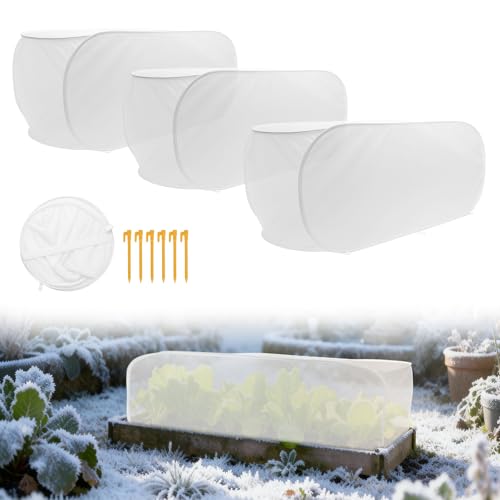
Larger coverage area and stronger stability: This plant shelters designed for seasonal use in outdoor gardens, measures 99.3" L x 44" W x 39.1" H, offering substantial coverage for Small-to-medium shrubs, raised beds, and fruit trees, every cover comes equipped with 4 reinforced ground anchors to enhance steadiness in various weather conditions
Insulating Potted Pear Trees in Winter
Insulating potted pear trees during Alaska’s harsh winters is essential for their survival and health. Proper insulation techniques can protect the roots and foliage from freezing temperatures while ensuring the trees receive adequate moisture and nutrients. This section outlines effective methods to keep your potted pear trees thriving through the cold season.
Use burlap or foam to insulate pots.
Move indoor trees away from cold windows.
Monitor humidity levels to prevent dry air stress.
Indoor Pear Tree Problem Solutions
Indoor pear trees can face a variety of challenges, especially in the unique climate of Alaska. Understanding common issues such as pests, diseases, and environmental stressors is crucial for maintaining their health. This section provides practical solutions to help you troubleshoot and care for your potted pear trees throughout the year.
Identifying and addressing common problems is essential for successful indoor care of pear trees. Issues like pests, diseases, and nutrient deficiencies can arise if not managed properly.
Potted Pear Tree Care Challenges
Caring for potted pear trees in Alaska presents unique challenges due to the region’s harsh climate and limited growing season. Understanding these difficulties is essential for successful indoor cultivation and winter care. This section explores the specific obstacles faced by gardeners and offers practical solutions to ensure healthy growth and fruit production.
| Issue | Symptoms | Solution |
|---|---|---|
| Leaf Drop | Yellowing leaves | Adjust watering |
| Pests | Visible insects | Apply insecticidal soap |
| Nutrient Deficiency | Stunted growth | Use balanced fertilizer |
Healthy pear trees require consistent care and attention. By following these guidelines, you can successfully grow and maintain your trees in Alaska, ensuring they thrive even in challenging conditions.
