

Selecting the best fruit trees for Wisconsin involves choosing varieties that thrive in the northern climate. Cold hardiness and disease resistance are crucial factors to consider to ensure successful growth and fruit production.
Cold-Hardy Fruit Varieties for Wisconsin
Wisconsin’s northern climate presents unique challenges for fruit cultivation, but several cold-hardy varieties thrive in these conditions. Selecting the right fruit trees can ensure a fruitful harvest despite harsh winters and short growing seasons. This section explores the best options for resilient fruit trees that can flourish in Wisconsin’s diverse landscapes.
Wisconsin’s climate presents unique challenges for growing fruit trees. The harsh winters and short growing seasons require careful selection of varieties that can withstand freezing temperatures. Below are some of the best options for Wisconsin gardeners.
| Fruit Tree | Cold Hardiness Zone | Average Yield | Pollination Requirement |
|---|---|---|---|
| Honeycrisp Apple | 3-7 | 10-15 bushels | Self-pollinating |
| Montmorency Cherry | 4-7 | 5-10 bushels | Requires cross-pollination |
| Reliance Peach | 5-8 | 5-10 bushels | Self-pollinating |
| Bluecrop Blueberry | 4-7 | 5-10 pounds | Requires cross-pollination |
Recommended Products

Each offer includes one plant grown in a 4 inch pot
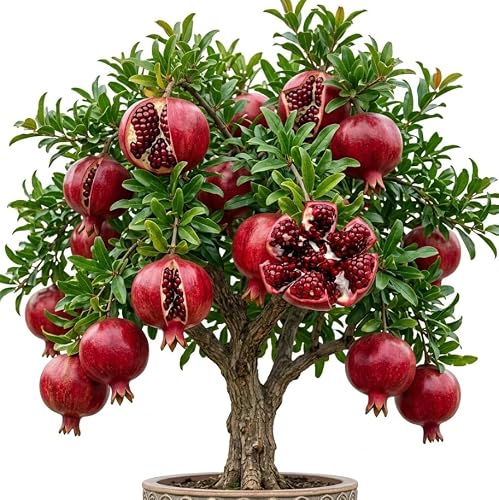
Each order includes a live red pomegranate plant, carefully grown and ready to thrive in your garden or home.

More than 50 years of research has gone into developing cherry trees with cold hardiness, dwarf stature and good fruit quality.
Wisconsin Fruit Trees for Northern Climates
Wisconsin’s unique northern climate presents challenges for growing fruit trees, but several varieties thrive despite the cold. Selecting the right trees can lead to a fruitful harvest, providing delicious options for home gardeners. This section highlights the best fruit trees suited for Wisconsin’s conditions, ensuring you can enjoy fresh produce even in the harshest winters.
Recommended Products

Live Fruit-Bearing Apple Tree – Produces extra-large, red-blushed apples with a mildly sweet, tart flavor and tender flesh, perfect for baking, applesauce, and cider-making

Live Fruit-Bearing Apple Tree – Grow your own Gravenstein apples, a classic heirloom variety known for its sweet-tart flavor and crisp texture, perfect for fresh eating, baking, and cider-making

Sweet-Tart & Crisp Apples – Produces large, red-orange apples with a perfect balance of sweetness and acidity, offering a refreshing crunch—ideal for fresh eating, baking, and cider-making
Honeycrisp Apple Tree Benefits in Wisconsin
The Honeycrisp Apple is a favorite among Wisconsin growers due to its exceptional flavor and crisp texture. This tree is known for its high yield and ability to withstand cold temperatures. It typically produces apples in late summer to early fall.
Benefits: Excellent taste, disease-resistant, self-pollinating.
Care Requirements: Regular pruning, adequate water supply, and pest management.
Wisconsin’s Ideal Montmorency Cherry Variety
When selecting fruit trees for Wisconsin’s unique climate, the Montmorency cherry stands out as a top choice. This variety thrives in the northern conditions, offering a bountiful harvest of tart cherries perfect for pies and preserves. Understanding its specific needs and benefits can help gardeners make the most of their planting efforts in this region.
The Montmorency Cherry is ideal for those looking to produce tart cherries for pies and preserves. This tree thrives in Wisconsin’s climate and produces fruit in mid-summer.
Benefits: High yield, great for canning, and vibrant blossoms.
Care Requirements: Requires well-drained soil and cross-pollination with another cherry variety.
Hardy Reliance Peach for Wisconsin Gardens
The Hardy Reliance Peach is an excellent choice for Wisconsin gardeners looking to cultivate delicious fruit despite the state’s challenging climate. This variety is specifically bred to withstand cold temperatures while producing sweet, juicy peaches, making it a reliable addition to any northern garden. Its resilience and adaptability set it apart as a top contender for fruit enthusiasts in the region.
The Reliance Peach is one of the hardiest peach varieties available. It can withstand temperatures as low as -20°F, making it suitable for Wisconsin’s cold winters. This tree produces sweet, juicy peaches in late summer.
Benefits: Cold-hardy, self-pollinating, and good disease resistance.
Care Requirements: Needs full sun and regular watering during dry spells.
Bluecrop Blueberry Bush Characteristics
The Bluecrop blueberry bush stands out as an ideal choice for Wisconsin gardeners looking to thrive in the northern climate. Known for its hardiness and adaptability, this variety produces abundant, flavorful berries while also offering beautiful foliage throughout the growing season. Understanding its characteristics can help ensure successful cultivation and a bountiful harvest.
The Bluecrop Blueberry is a versatile and productive bush that thrives in acidic soil. This variety is known for its large, flavorful berries and high yield.
Benefits: Excellent flavor, disease-resistant, and adaptable to various soil types.
Care Requirements: Requires acidic soil and regular pruning for optimal fruit production.
Wisconsin Fruit Tree Selection Factors
When selecting fruit trees for Wisconsin, it’s essential to consider the unique challenges posed by the northern climate. Factors such as cold hardiness, soil type, and disease resistance play a crucial role in ensuring successful growth and fruit production. Understanding these elements will help you choose the best varieties suited for your local conditions.
When selecting fruit trees, consider the following factors to ensure successful growth in Wisconsin:
Cold Hardiness: Choose trees that can withstand the local winter temperatures.
Pollination Needs: Some trees require cross-pollination for optimal fruit production.
Soil Requirements: Ensure the soil pH and drainage are suitable for the selected variety.
| Fruit Tree | Cold Hardiness | Pollination | Soil Type |
|---|---|---|---|
| Honeycrisp Apple | -30°F | Self | Well-drained |
| Montmorency Cherry | -20°F | Cross | Well-drained |
| Reliance Peach | -20°F | Self | Well-drained |
| Bluecrop Blueberry | -20°F | Cross | Acidic |
Recommended Products


🍇 Sweet, Medium-Sized Figs – Rich flavor with glossy dark purple skin and vibrant interior.
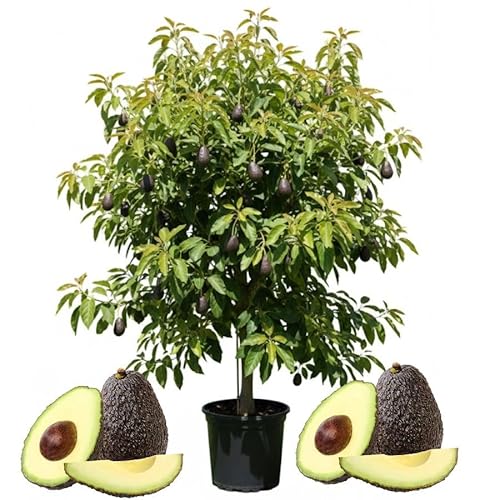
Hass Avocado Plant - 3 Gallon Size
Wisconsin Fruit Tree Planting Guidelines
Planting fruit trees in Wisconsin requires careful consideration of the state’s unique climate and soil conditions. Understanding the best practices for selecting and nurturing these trees can significantly enhance your chances of a fruitful harvest. This section outlines essential guidelines to help you successfully establish and grow fruit trees in the northern climate of Wisconsin.
Proper planting and care are essential for the success of fruit trees in Wisconsin. Follow these guidelines to maximize your yield:
Choose the Right Location: Select a site with full sun exposure and good air circulation.
Prepare the Soil: Test soil pH and amend as necessary to ensure optimal conditions.
Water Regularly: Ensure trees receive adequate moisture, especially during dry spells.
Prune Annually: Regular pruning helps maintain tree health and encourages fruit production.
Pest and Disease Management Strategies
Successfully growing fruit trees in Wisconsin requires not only selecting the right varieties but also implementing effective pest and disease management strategies. The northern climate presents unique challenges that can threaten the health of your trees. Understanding these strategies will help ensure a bountiful harvest and maintain the vitality of your orchard.
Growing fruit trees in Wisconsin can present challenges such as pests and diseases. Here are some common issues and their solutions:
Pests: Aphids and spider mites can damage leaves. Use insecticidal soap to manage infestations.
Diseases: Fungal infections like powdery mildew can affect fruit quality. Ensure good air circulation and apply fungicides as needed.
Disease-Resistant Fruit Tree Recommendations
Selecting disease-resistant fruit trees is essential for successful gardening in Wisconsin’s challenging northern climate. These trees not only thrive in cooler temperatures but also withstand common pests and diseases, ensuring a fruitful harvest. Here are some top recommendations that can help you cultivate a vibrant and productive orchard despite the region’s unique conditions.
Always select disease-resistant varieties to minimize the risk of crop failure.
Planning Your Wisconsin Fruit Tree Garden
Planning a fruit tree garden in Wisconsin requires careful consideration of the state’s unique climate and soil conditions. Selecting the right varieties is essential for successful growth and fruit production, ensuring that your garden thrives despite the challenges posed by colder temperatures. This section will guide you through the key factors to consider for a fruitful endeavor.
Start planning your fruit tree garden by selecting varieties that fit your climate and soil conditions. Prepare your planting site and gather necessary supplies for a successful growing season.
