

Apple trees can thrive in Philadelphia, PA with the right conditions and care. The local soil can support their growth if properly amended and maintained to ensure optimal health and fruit production.
Philadelphia Soil Characteristics for Apple Trees
Understanding the soil characteristics in Philadelphia is crucial for successfully growing apple trees in the region. The unique composition and pH levels of local soil can significantly impact tree health and fruit production. This section delves into the specific soil attributes that aspiring apple growers in Philadelphia should consider for optimal growth.
Philadelphia’s soil varies significantly across neighborhoods, impacting apple tree growth. The city’s soil is often clay-heavy, which can retain moisture but may also lead to drainage issues.
Apple trees prefer well-draining soil rich in organic matter. Testing your soil pH is essential, as apple trees thrive in slightly acidic to neutral pH levels, typically between 6.0 and 7.0.
Recommended Products
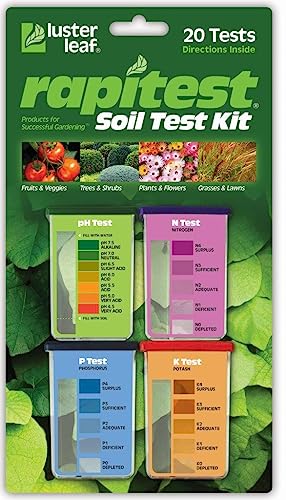
Quick, at home results for Soil pH, Nitrogen, Phosphorous and Potash Innovative and inexpensive soil test kit features an easy-to-use capsule system and patented color comparators

KNOW BEFORE YOU GROW | Grow the healthiest, sustainable lawn and garden with the most accurate and easy to use professional soil test kit on the market

Accurate Soil pH Testing: Dewildetradingco Soil pH Test Strips offer measurements of soil pH levels (pH 3.5-9). As an essential tool for every gardener and grower, these test strips help determine the optimal pH for various plants, such as outdoor plants, indoor plants, gardens, grass lawns, fruit trees, flowers, vegetables, and forest shrubs.
Soil Testing for Apple Tree Cultivation
Understanding the soil composition is crucial for successful apple tree cultivation in Philadelphia. Soil testing provides valuable insights into pH levels, nutrient content, and drainage capabilities, all of which significantly impact tree health and fruit production. This section will guide you through the essential steps for testing your soil to ensure optimal growing conditions for your apple trees.
Before planting apple trees, conduct a soil test to determine nutrient levels and pH. This helps identify necessary amendments to improve soil quality.
Soil Test Kits: Purchase a kit from a local garden center or online.
Organic Matter: Incorporate compost or well-rotted manure to enhance soil structure.
pH Adjustments: Use sulfur to lower pH or lime to raise it, depending on test results.
| Soil Component | Ideal Range | Amendment Type |
|---|---|---|
| pH | 6.0 – 7.0 | Lime or Sulfur |
| Nitrogen | 10-20 ppm | Compost |
| Phosphorus | 15-25 ppm | Bone Meal |
| Potassium | 100-200 ppm | Wood Ash |
Best Apple Varieties for Philadelphia Conditions
When considering apple trees for cultivation in Philadelphia, it’s essential to choose varieties that thrive in the local climate and soil conditions. The right selection can lead to a fruitful harvest, ensuring that both novice and experienced gardeners enjoy the rewards of their efforts. This section highlights the best apple varieties suited for the unique environment of Philadelphia.
Selecting the right apple variety is crucial for successful growth in Philadelphia’s climate. Some varieties are better suited for local conditions, offering hardiness and disease resistance.
Honeycrisp: Known for its sweet flavor and crisp texture, this variety is popular and adaptable.
Granny Smith: A tart apple that thrives in various conditions, making it a reliable choice.
Fuji: This variety is sweet and firm, performing well in urban settings.
Best Practices for Planting Apple Trees
When planting apple trees in Philadelphia, it’s essential to understand the local soil conditions and climate. This section outlines the best practices to ensure successful growth, focusing on soil preparation, planting techniques, and ongoing care tailored to the unique environment of the region. Following these guidelines can help you cultivate healthy, fruitful trees in your backyard.
Proper planting techniques ensure apple trees establish strong root systems. Follow these steps for best results.
Choose a Location: Select a sunny spot with at least six hours of sunlight daily.
Dig a Hole: Create a hole twice as wide and as deep as the root ball.
Position the Tree: Place the tree in the center, ensuring the graft union is above soil level.
Backfill with Soil: Mix in compost and backfill the hole, gently tamping down to eliminate air pockets.
Water Thoroughly: After planting, water the tree deeply to settle the soil.
Apple Tree Care for Philadelphia Soils
Caring for apple trees in Philadelphia requires an understanding of the local soil conditions that influence their growth and health. This section will provide essential tips and best practices tailored to the unique characteristics of Philadelphia’s soil, ensuring that your apple trees thrive in this urban environment. Proper care can lead to a fruitful harvest and vibrant trees.
Ongoing care is vital for apple tree health and productivity. Regular maintenance practices can prevent diseases and promote growth.
Watering: Ensure consistent moisture, especially during dry spells.
Mulching: Apply a layer of mulch to retain moisture and suppress weeds.
Pruning: Prune annually to shape the tree and remove dead or diseased branches.
Fertilizing: Use a balanced fertilizer in early spring to support growth.
Pests and Diseases Affecting Apple Trees
Understanding the pests and diseases that affect apple trees is crucial for successful cultivation in Philadelphia, PA. Local conditions can foster specific threats that may compromise tree health and fruit production. This section provides insights into common issues faced by apple trees in the region and offers guidance on prevention and management strategies.
Apple trees are susceptible to various pests and diseases that can hinder growth. Identifying and managing these issues is essential.
Apple Maggot: This pest lays eggs in the fruit, leading to early drop.
Powdery Mildew: A fungal disease that affects leaves and fruit, causing white powdery spots.
Cedar Apple Rust: This disease requires both cedar and apple trees to complete its life cycle.
| Pest/Disease | Symptoms | Control Methods |
|---|---|---|
| Apple Maggot | Fruit drop | Insect traps, neem oil |
| Powdery Mildew | White spots | Fungicides, pruning |
| Cedar Apple Rust | Yellow spots on leaves | Remove cedar trees, fungicides |
Soil and Care Tips for Apple Trees
Understanding the soil conditions and care requirements is essential for successfully growing apple trees in Philadelphia. The local climate and soil composition can significantly impact tree health and fruit production. This section provides practical tips on soil management and maintenance to ensure your apple trees thrive in the unique environment of the city.
Planting apple trees in Philadelphia can be rewarding with proper soil preparation and care. Monitor soil conditions and tree health regularly to ensure successful growth and fruit production.
Avoid planting in poorly drained areas to prevent root rot.
