

Imagine strolling through your backyard, picking fresh, juicy fruit right from your own trees. But which fruit trees thrive best in the warm, humid climate of South Georgia? Picture enjoying the sweet rewards of your labor without the hassle of guessing which varieties will flourish in your area.
In this article, discover the top fruit trees perfectly suited for South Georgia’s unique growing conditions. Say goodbye to uncertainty and hello to a bountiful harvest with our expert recommendations. Get ready to transform your garden into a fruitful oasis that not only enhances your landscape but also provides delicious, homegrown treats for you and your loved ones.
Key Takeaways
- Choose fruit trees like peach, fig, and citrus trees that are well-suited to the warm, humid climate of South Georgia for a thriving and bountiful harvest.
- Growing your own fruit trees offers fresh, delicious produce, cost savings, health benefits, and aesthetically pleasing landscapes without harmful chemicals.
- Consider factors like climate suitability, chill hours requirement, disease resistance, pollination needs, soil compatibility, space availability, and harvest timing when selecting fruit trees for your South Georgia garden.
- Top fruit tree varieties for South Georgia include peach, fig, Satsuma orange, pecan, and blueberry bushes, each offering unique benefits and well-suited for the region’s climate.
- Proper care for fruit trees in South Georgia involves choosing the right varieties, planting in suitable locations with adequate sunlight and well-drained soil, watering and fertilizing appropriately, pruning, pest control, disease management, and timely harvesting.
Benefits of Growing Fruit Trees in South Georgia
When considering the advantages of cultivating fruit trees in South Georgia, the benefits extend beyond mere enjoyment. Here’s why planting fruit trees in this region can be a worthwhile endeavor:
1. Climate Compatibility
Planting fruit trees that are well-suited to the warm, humid climate of South Georgia ensures they thrive and produce bountiful harvests. Examples of fruit trees that flourish in this climate include peach, fig, and citrus trees.
2. Fresh Homegrown Produce
By growing fruit trees in your own backyard, you can enjoy the unparalleled taste of freshly picked fruits. Imagine plucking a ripe peach or citrus fruit straight from the tree in your garden – it doesn’t get fresher than that!
3. Cost Savings
Producing your fruits can lead to significant cost savings over time. Instead of buying expensive fruits from the store, your homegrown produce can be both budget-friendly and environmentally sustainable.
4. Health Benefits
Homegrown fruits are not only delicious but also healthy. You can ensure that your fruits are grown without harmful pesticides or chemicals, offering you and your family a more nutritious option.
5. Aesthetically Pleasing Landscapes
Fruit trees add beauty and charm to your landscape, enhancing the visual appeal of your property. Beyond the delicious fruits they offer, fruit trees can also serve as ornamental pieces in your garden.
6. Educational Opportunities
Growing fruit trees can be a valuable learning experience for the whole family. It provides an opportunity to teach children about nature, agriculture, and the rewards of patience and hard work.
7. Environmental Benefits
By planting fruit trees, you contribute to the environment by increasing greenery and supporting local ecosystems. Fruit trees help improve air quality, provide shade, and attract beneficial wildlife to your garden.
8. Community Building
Sharing the abundance of your fruit harvest with neighbors, friends, or local charities fosters a sense of community and goodwill. It’s a fulfilling way to connect with others and spread the joy of homegrown produce.
Factors to Consider When Choosing Fruit Trees
When selecting fruit trees for your South Georgia garden, it’s essential to consider various factors to ensure successful growth and abundant harvests. Here are key aspects to keep in mind:
Recommended Products
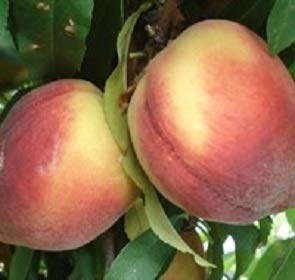
These are ready to plant and should be put in the ground according to the included instructions upon arrival. All pictures are of fully grown plants. Sizes shipped are in the title and description. Deciduous plants do not have leaves in the winter.

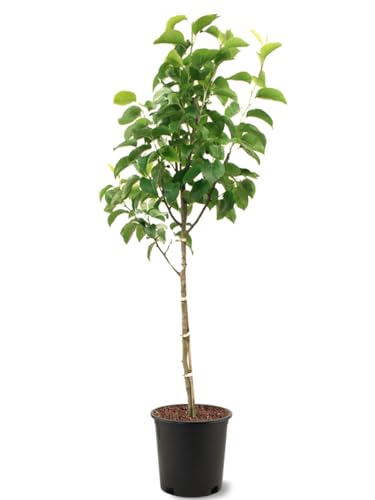
Thriving Orchard at Home: Elevate your outdoor space with the American Plant Exchange Flordahome Pear Trees. These live, semi-self-pollinating fruiting trees stand at an impressive 3-4 feet in a 5-gallon pot, bringing the allure of a thriving pear orchard to your doorstep.
Climate Suitability
Ensure the fruit tree you choose thrives in South Georgia’s warm and humid climate. Opt for varieties that can withstand high temperatures and humidity levels to ensure they flourish in your garden.
Chill Hours Requirement
Check the chill hours required by the fruit tree. In South Georgia, the number of chill hours (hours below a certain temperature) varies. Select fruit trees that align with the typical chill hour ranges in your specific area for optimal fruit production.
Disease Resistance
Prioritize fruit tree varieties that are resistant to common diseases in South Georgia. This proactive approach can help prevent potential issues and reduce the need for extensive interventions to maintain tree health.
Pollination Needs
Consider the pollination requirements of the fruit trees you intend to plant. Some varieties are self-pollinating, while others may require cross-pollination for fruit set. Ensure you have the necessary pollinators nearby or select self-pollinating trees for ease of maintenance.
Soil Compatibility
Evaluate the soil conditions in your garden to ensure they are suitable for the fruit trees you plan to grow. Different trees thrive in various soil types, so choose varieties that are compatible with the soil composition in your area for optimal growth.
Space Availability
Factor in the space available in your garden when selecting fruit trees. Choose trees that fit the available space and consider factors like mature tree size, root spread, and sunlight requirements to ensure proper growth without overcrowding.
Harvest Timing
Diversify your fruit tree selection to enjoy a prolonged harvest season. Choose trees with staggered ripening times to have a continuous supply of fresh fruits throughout the growing season, enhancing your garden’s productivity.
Considering these essential factors will help you select the best fruit trees for your South Georgia garden, ensuring a bountiful harvest of delicious fruits that thrive in the region’s unique climate.
Top Fruit Trees for South Georgia
When selecting fruit trees for your South Georgia garden, consider the following top varieties that are well-suited to thrive in the warm, humid climate of the region. Each fruit tree offers unique benefits and delicious fruits for you to enjoy.
Recommended Products
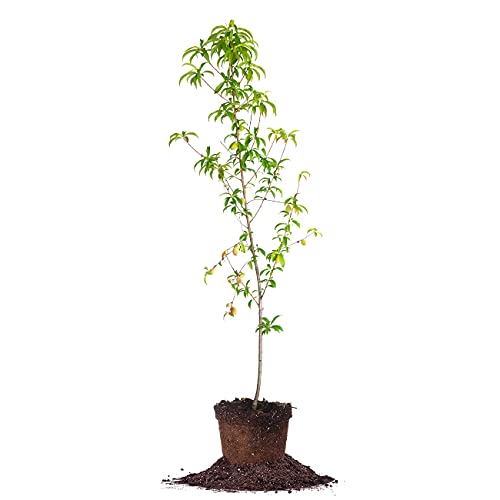
for growers looking for a moderate weather loving fruit cultivar, the Belle of Georgia white peach tree is the perfect choice. this fruit tree produces delicious white flesh peaches and tolerates many environments

Live Belle of Georgia Peach Tree – Classic fruit-bearing tree that produces large, sweet white-fleshed peaches with a beautiful blush-pink skin
1. Peach Trees
Peach trees are a staple fruit tree in South Georgia, known for their juicy and sweet fruit. Varieties such as Elberta, Belle of Georgia, and Redhaven are popular choices that do well in the region’s climate. These trees require full sun and well-drained soil to flourish.
2. Fig Trees
Fig trees are another excellent option for South Georgia gardens. Varieties like Celeste and Brown Turkey are well-adapted to the region’s conditions. Fig trees are relatively low-maintenance and produce delicious fruits perfect for fresh eating or preserving.
3. Satsuma Orange Trees
Satsuma orange trees are a great citrus option for South Georgia due to their cold hardiness. These trees bear sweet, easy-to-peel fruits that are perfect for snacking or juicing. Satsuma orange trees require adequate sunlight and regular watering.
4. Pecan Trees
Pecan trees are ideal for South Georgia landscapes, offering not only tasty nuts but also adding aesthetic value to your garden. Varieties such as Desirable and Cape Fear are well-adapted to the region’s climate. Pecan trees need ample spacing and proper care for optimal growth and nut production.
5. Blueberry Bushes
Blueberry bushes are a popular choice for South Georgia gardens, providing delicious and nutritious fruits. Varieties like Brightwell and Premier are well-known for their productivity and flavor. Blueberry bushes thrive in acidic soil with good drainage.
By choosing these top fruit trees and bushes for your South Georgia garden, you can enjoy a bountiful harvest of fresh fruits while enhancing the beauty of your landscape. Remember to consider factors like sunlight, soil, and maintenance requirements to ensure the successful growth of your fruit trees in the region’s unique climate.
Tips for Caring for Fruit Trees in South Georgia
When caring for fruit trees in South Georgia, proper maintenance is key to ensuring healthy and productive growth. Here are some essential tips to help you nurture your fruit trees effectively in this region:
Recommended Products

Fruit Characteristics: Produces medium-sized peaches with pale skin, red blush, white flesh, and firm sweet texture that ripens in late summer


The famous sauce with the red velvet top goes well with all food groups
Choose the Right Variety
Select fruit tree varieties that are well-suited to the warm, humid climate of South Georgia. Opt for species like Peach Trees, Fig Trees, Satsuma Orange Trees, Pecan Trees, and Blueberry Bushes that thrive in these conditions. By choosing the right variety, you set your trees up for success from the beginning.
Plant in Suitable Locations
Ensure your fruit trees receive adequate sunlight and are planted in well-drained soil. Proper placement is crucial for the trees to absorb essential nutrients and grow optimally. Consider the space availability and proximity to other trees to avoid overcrowding.
Watering and Fertilization
Establish a regular watering schedule, especially during dry spells, to keep the soil moist but not waterlogged. Fertilize your fruit trees as needed, following recommendations for specific species, to promote healthy growth and fruit production.
Pruning and Pest Control
Regular pruning helps maintain the shape of the tree, promotes airflow, and removes diseased or damaged branches. Stay vigilant for common pests in the area and take preventive measures to protect your fruit trees from infestations.
Disease Management
Be proactive in preventing common diseases that affect fruit trees in South Georgia. Monitor your trees regularly for signs of disease, such as leaf discoloration or unusual growths, and take prompt action to address any issues.
Harvesting and Maintenance
Harvest your fruits at the right time to ensure optimal flavor and ripeness. Proper maintenance, including mulching, weed control, and general tree care, is essential for the long-term health and productivity of your fruit trees.
Conclusion
Growing fruit trees in South Georgia offers a multitude of benefits, from fresh homegrown produce to community building. By selecting varieties that suit the region’s warm climate and considering factors like chill hours and disease resistance, you can create a fruitful garden. Remember to care for your fruit trees by choosing the right variety, providing proper maintenance, and managing pests and diseases. With Peach Trees, Fig Trees, Satsuma Orange Trees, Pecan Trees, and Blueberry Bushes, you can enjoy a bountiful harvest and enhance your landscape. Happy gardening in South Georgia!
Frequently Asked Questions
Q: What are the benefits of growing fruit trees in South Georgia?
A: Growing fruit trees in South Georgia offers fresh homegrown produce, cost savings, health benefits, attractive landscapes, educational opportunities, environmental advantages, and community building.
Q: What factors should be considered when choosing fruit trees for a South Georgia garden?
A: Consider climate suitability, chill hours requirement, disease resistance, pollination needs, soil compatibility, space availability, and harvest timing when selecting fruit trees for a South Georgia garden.
Q: What care tips are essential for maintaining fruit trees in South Georgia?
A: Choose suitable varieties, plant in appropriate locations, provide adequate water and fertilizer, practice proper pruning and pest control, manage diseases effectively, harvest timely, and maintain trees for healthy growth in South Georgia.
