

Ever found yourself eagerly eyeing a batch of unripe nectarines at the store, only to wonder if you can speed up the ripening process at home? Picture this: you’re craving that sweet, juicy bite of a perfectly ripened nectarine, but you’re not sure if it’s possible to ripen them off the tree.
In this article, you’ll discover practical tips and tricks to ripen nectarines off the tree, allowing you to enjoy their delectable flavors sooner rather than later. By understanding the science behind ripening and implementing simple methods, you’ll be savoring those ripe nectarines in no time. Stay tuned to learn how you can take control of the ripening process and indulge in nature’s sweet bounty at your convenience.
Key Takeaways
- Nectarines produce ethylene gas that helps in ripening them off the tree.
- Warmer temperatures accelerate the ripening process, while cooler temperatures slow it down.
- Check for ripeness by gently pressing the fruit, smelling near the stem, and looking for visual cues like color.
- Storing nectarines in a single layer and away from direct sunlight maintains their quality.
- Factors such as ethylene gas, temperature, air circulation, light exposure, and timing affect nectarine ripening.
- Harvest nectarines at peak ripeness by considering visual and tactile cues, ensuring optimal flavor and sweetness.
Understanding Nectarines Ripening Process
To better understand the ripening process of nectarines off the tree, let’s delve into some essential factors that influence how quickly these fruits ripen.
Ethylene Gas and Ripening
Nectarines, like many fruits, produce ethylene gas as they ripen. This natural plant hormone plays a crucial role in the ripening process by signaling the fruit to soften and sweeten. When nectarines are detached from the tree, they continue to produce ethylene gas, which facilitates ripening.
Temperature and Ripening
Temperature also impacts the ripening of nectarines. Warmer temperatures can speed up the ripening process, while cooler temperatures slow it down. To ripen nectarines off the tree, storing them at room temperature helps maintain the ideal conditions for ripening. It’s important to avoid refrigeration initially to allow the fruit to ripen naturally.
Checking Ripeness
When ripening nectarines off the tree, it’s crucial to check for ripeness regularly to ensure they are at the desired stage. Gently press the fruit near the stem – if it yields slightly, it’s a sign that the nectarine is ripe and ready to eat. Additionally, the fruit should have a pleasant aroma and give slightly when squeezed.
Ripening Timeframes
The time it takes for nectarines to ripen off the tree can vary depending on their initial stage of ripeness. Generally, under optimal conditions, nectarines can ripen within a few days to a week. However, factors like temperature, humidity, and the fruit’s initial maturity play a significant role in determining the exact ripening timeframe.
Ensuring Quality
To ensure that your off-the-tree ripened nectarines maintain their quality, store them in a single layer to prevent bruising and allow for even ripening. Keep them away from direct sunlight to avoid overripening or drying out.
Factors Affecting Nectarines Ripening
Understanding the factors that influence nectarine ripening can help you enjoy perfectly ripe fruits at the right time. Here are key elements that impact the ripening process:
1. Ethylene Gas:
Ethylene gas plays a crucial role in signaling the ripening of nectarines. It is a natural plant hormone that triggers the fruit to soften and sweeten. Nectarines themselves produce ethylene gas, which accelerates the ripening process. When ripe nectarines are stored with unripe ones, the ethylene released by the ripe fruits speeds up the ripening of the others.
2. Temperature:
Temperature significantly affects the ripening of nectarines. Warmer temperatures speed up ripening, while cooler temperatures slow it down. Storing nectarines at room temperature is ideal for initial ripening. However, if you want to slow down the ripening process, you can store them in the refrigerator. Just remember to allow them to come to room temperature before eating for the best flavor.
3. Air Circulation:
Proper air circulation around nectarines is essential for uniform ripening. Avoid overcrowding the fruits, as this can lead to faster spoilage and uneven ripening. Ensure that there is space between each fruit to allow air to circulate and prevent mold or decay.
4. Light Exposure:
Exposure to light can also impact the ripening of nectarines. Direct sunlight can cause the fruit to ripen unevenly or develop sunburn spots. It’s best to store nectarines in a cool, dry place away from direct sunlight to maintain their quality and flavor.
5. Timeframes and Variations:
The ripening time of nectarines can vary based on multiple factors such as initial ripeness, storage conditions, and the presence of ethylene. On average, nectarines usually ripen within 2-5 days when stored at room temperature. However, this timeline can change based on different conditions, so it’s essential to check the fruit regularly for ripeness.
By considering these influencing factors, you can better control the ripening process of nectarines and ensure you enjoy perfectly ripe fruits every time.
Picking Nectarines at the Right Time
Knowing when to pick nectarines is crucial to enjoy them at their best. Here’s how to ensure you’re choosing perfectly ripe nectarines every time:
Understanding Nectarine Ripeness
Start by gently pressing near the stem of the nectarine. It should yield slightly but not be too soft. A ripe nectarine will have a fragrant smell and give off a sweet aroma, indicating its readiness to be enjoyed.
Visual Cues for Ripeness
Look for a vibrant color, typically a golden yellow for yellow nectarines and a deep red for white nectarines. The fruit should be plump and free of bruises or blemishes, showing that it has ripened well on the tree.
Harvesting at Peak Ripeness
Nectarines do not continue to ripen once picked, unlike some fruits. Therefore, it’s essential to harvest them at the peak of ripeness to savor their full flavor and sweetness.
Timing the Harvest
The best time to pick nectarines is when they come off the tree with a slight twist. They should detach easily without any tugging. This gentle removal ensures that the fruit is mature and ready to be enjoyed.
Storing for Optimal Ripeness
If your nectarines are not quite ripe when picked, store them at room temperature to allow them to ripen fully. Once ripe, you can then refrigerate them to extend their shelf life while maintaining their delicious taste.
Savoring Perfectly Ripe Nectarines
By following these tips and picking your nectarines at the right time, you can indulge in the juiciest and most flavorful fruits that are bursting with natural sweetness. Enjoy the experience of savoring ripe nectarines straight from your tree, knowing you’ve picked them at their peak ripeness.
Ways to Ripen Nectarines Off the Tree
To ripen nectarines off the tree effectively, here are some straightforward methods you can follow:
Recommended Products
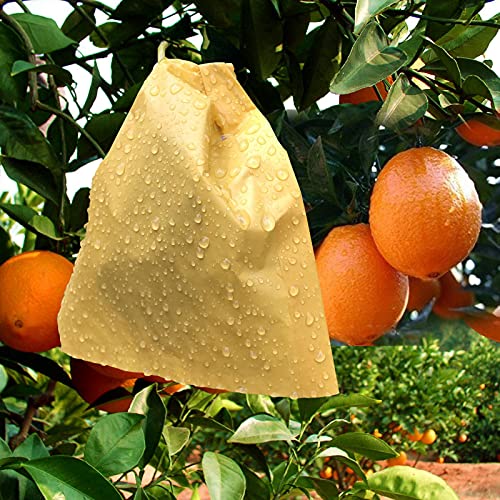
Safe Protector : Protect your apples, peaches, pears, persimmons, dragon fruits, guavas, tomatoes, potatoes, bananas, oranges, plums, nectarines, veggies
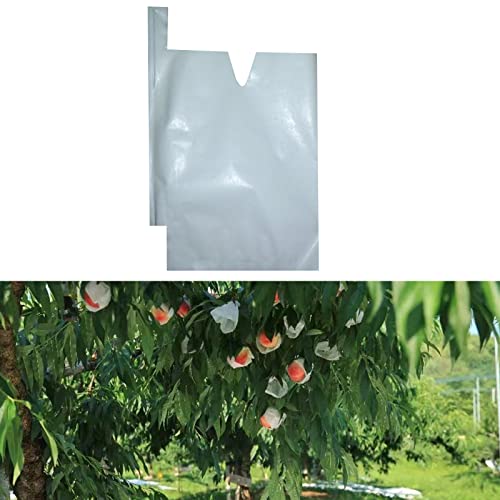
Safe Protector : Protect your apples, peaches, pears, persimmons, dragon fruits, guavas, tomatoes, potatoes, bananas, oranges, plums, nectarines, veggies

Safe Protector : Protect your apples, peaches, pears, persimmons, dragon fruits, guavas, tomatoes, potatoes, bananas, oranges, plums, nectarines, veggies
1. Paper Bag Technique:
- Place your firm nectarines in a paper bag with a ripe banana or apple.
- The ethylene gas produced by the banana or apple will accelerate the ripening process.
- Close the bag and leave it at room temperature for a day or two.
- Check daily for ripeness by gently pressing the nectarines to feel for softness.
2. Ripening in a Bowl:
- Arrange the nectarines in a single layer in a shallow bowl or on a countertop.
- Ensure they are not overcrowded to allow even ripening.
- Cover the bowl loosely with a cloth to trap ethylene gas.
- Keep them at room temperature until they reach the desired ripeness.
3. Ethylene Exposure:
- Place unripe nectarines in a container with a few already ripe nectarines.
- The ripe nectarines will release ethylene gas, aiding in the ripening of the others.
- Check them periodically and consume once they have softened to your liking.
4. Checking for Ripeness:
- Use visual cues like a change in color from green to yellow or red.
- Gently squeeze the nectarine; a slight give indicates ripeness.
- Smell the nectarine near the stem for a sweet aroma.
- Avoid nectarines with blemishes or overly soft spots.
- Once ripe, store nectarines in the refrigerator to maintain their freshness.
- Consume within a few days for the best flavor and texture.
- Avoid storing in direct sunlight or near heat sources to prevent overripening.
By utilizing these methods, you can enjoy delectably ripe nectarines off the tree at your convenience.
Monitoring Ripening Progress
To ensure your nectarines ripen properly off the tree, it’s essential to monitor their progress regularly. Here are some practical tips to help you determine the ripeness of your nectarines:
- Color Changes:
- Check the skin color of the nectarines. They should transition from green to yellow or orange hues as they ripen.
- Look for any red blush appearing on the fruit, indicating ripening.
- Softness:
- Gently press the fruit with your fingers. Ripe nectarines should yield slightly to pressure without being too soft or mushy.
- Avoid squeezing too hard to prevent bruising.
- Aroma:
- Sniff the nectarines near the stem area. A sweet, fragrant smell suggests ripeness.
- Unripe fruit may lack a strong scent or smell grassy.
- Check for Blemishes:
- Inspect the nectarines for bruises, cuts, or mold. Ripe fruit should be free from blemishes.
- Dark spots or soft areas indicate overripeness.
- Firmness:
- Nectarines should feel plump and firm, signaling they are still fresh and ripe.
- Overly firm nectarines may need more time to ripen.
By following these monitoring techniques, you can ensure your nectarines reach the perfect ripeness for consumption off the tree.
Recommended Products

Quick-Read Temperature Measurements: The digital display provides accurate temperature measurements in degrees Fahrenheit wherever the thermometer is located.

TEMPERATURE SELECTION: User selectable Fahrenheit and Celsius measurements for convenience and versatility

Digital LCD Fridge Thermometer, It only suitable for Fahrenheit,not for Celsius
Conclusion
Ripening nectarines off the tree is a simple process that can yield delicious results. By understanding the factors that contribute to ripening, such as ethylene gas and proper storage, you can enjoy perfectly ripe nectarines. Remember to use techniques like the paper bag method and monitoring visual cues, softness, aroma, and color changes to ensure your nectarines reach optimal ripeness. With these tips, you’ll be able to savor the sweet taste of ripe nectarines, whether they ripen on the tree or off. Happy ripening!
Frequently Asked Questions
1. How can I tell if a nectarine is ripe?
To check nectarine ripeness, gently press near the stem for a slight give, smell for a sweet fragrance, look for a vibrant color, and ensure no blemishes are present.
2. What factors influence the ripening process of nectarines?
Ethylene gas, temperature, and visual indicators like color and firmness play key roles in nectarine ripening.
3. How can I speed up ripening of nectarines?
Accelerate ripening by using the paper bag method, ripening in a bowl, exposing them to ethylene, and monitoring for visual cues, softness, and aroma.
4. What are the best practices for harvesting and storing ripe nectarines?
Harvest nectarines at peak ripeness, handle with care, store at room temperature, and eat them when they emit a fragrant smell and yield gently to pressure.
