

Have you ever wondered how long it takes for those delicious kiwi fruits to grow? Picture this: you’re at the grocery store, eyeing the vibrant green kiwis, and you start pondering about their journey from seed to fruit. Understanding the timeline of kiwi fruit growth can not only satisfy your curiosity but also help you appreciate the effort behind each juicy bite.
In this article, we’ll walk you through the stages of kiwi fruit development, from planting the seeds to harvesting the ripe fruits. By the end, you’ll have a clearer idea of the time and care required for these fuzzy wonders to reach your table. Get ready to discover the fascinating world of kiwi fruit growth and gain a new appreciation for this exotic treat.
Key Takeaways
- Kiwi fruit growth timeline: Kiwi fruits take approximately 3 to 5 years from planting the seed to reach full maturity and harvest.
- Factors influencing kiwi fruit growth: Climate conditions, soil quality, watering, pollination, support structures, pruning, and pest management play crucial roles in successful kiwi cultivation.
- Stages of kiwi fruit growth: The key stages include planting and germination, seedling development, establishing vines, flowering, fruit development, and harvesting.
- Potential issues affecting growth: Unsuitable climate conditions, poor soil quality, inadequate watering, pollination problems, and pest infestations can hinder the growth and development of kiwi plants.
- Harvesting and yield tips: Harvest kiwi fruit just before full ripeness, using gentle techniques to avoid damage, while maximizing yield through proper care, pruning, watering, and knowing how to store and ripen them effectively.
The Growth Timeline of Kiwi Fruit
Planting a kiwi fruit seed is where the journey begins. It’s a simple process that involves placing the seed in well-draining soil and keeping it moist. Within 1 to 3 weeks, you’ll see the first signs of growth as the seed germinates and a tiny shoot emerges from the soil.
As the kiwi plant grows, it starts developing its roots and leaves. By the time it reaches 3 to 6 months, the plant establishes a robust root system and grows to about 12 inches in height. At this stage, it’s crucial to provide proper support, such as a trellis, for the vine to climb and thrive.
Around 1 year into the growth process, the kiwi plant matures further, with more foliage and the potential for the first flowers to appear. These delicate white flowers are a sign of the upcoming fruiting season.
Once pollination occurs, typically by bees or wind, the flowers give way to small kiwi fruits. It takes about 4 to 6 months for these fruits to grow and ripen on the vine.
Finally, after approximately 3 to 5 years from planting the seed, you can expect a full harvest of mature kiwi fruits. At this stage, the fruits are plump, flavorful, and ready to be enjoyed.
Remember, the growth timeline of kiwi fruit can vary based on factors like climate, soil quality, and care provided. By following these general timelines and nurturing your kiwi plant accordingly, you’ll soon be savoring the sweet rewards of your efforts.
Factors Influencing the Growth of Kiwi Fruit
When cultivating kiwi fruit, several key factors influence its growth and development. Understanding these factors is essential to ensure a successful harvest. Here’s what you need to consider:
Climate Conditions
In regions with warm summers and mild winters, kiwi plants thrive best. They require a minimum of 200 frost-free days to grow fruit. Consistent sunlight exposure is crucial for the plant’s photosynthesis process, aiding in fruit production.
Soil Quality
Kiwi plants prefer well-draining soil rich in organic matter. A soil pH level between 5.0 and 6.5 is optimal for kiwi cultivation. Conduct soil tests before planting to ensure the soil meets the necessary nutrient requirements for healthy growth.
Watering and Irrigation
Proper watering is critical for kiwi fruit growth, especially during the flowering and fruiting stages. Kiwi plants require consistent moisture, but waterlogged soil can harm the roots. Mulching around the plants helps retain moisture and regulates soil temperature.
Pollination
Kiwi plants are dioecious, meaning they have separate male and female vines. To ensure fruit production, both male and female plants must be present for cross-pollination. It’s essential to have a suitable ratio of male to female plants in the orchard for successful pollination.
Support Structures
Kiwi vines are vigorous climbers and require sturdy support structures like trellises. These structures provide stability for the growing vines, protect the fruit from touching the ground, and make maintenance tasks such as pruning and harvesting more manageable.
Pruning and Maintenance
Regular pruning is necessary to control the growth of kiwi vines, promote airflow, and maximize fruit production. Pruning should be done during the dormant season to remove dead wood and shape the plant for optimal growth.
Pest and Disease Management
Like many fruit crops, kiwi plants are susceptible to pests and diseases. Implementing integrated pest management strategies, monitoring for signs of pests, and applying appropriate treatments when necessary can help protect the plants and ensure a healthy harvest.
By understanding and addressing these factors that influence the growth of kiwi fruit, you can create an environment that promotes healthy plant development and successful fruit production. Stay attentive to the needs of your kiwi plants throughout their growth cycle to enjoy a bountiful harvest.
Stages of Kiwi Fruit Growth
When it comes to the stages of kiwi fruit growth, it’s essential to understand the process from planting to harvest. Here’s a breakdown of the key stages you can expect:
Recommended Products
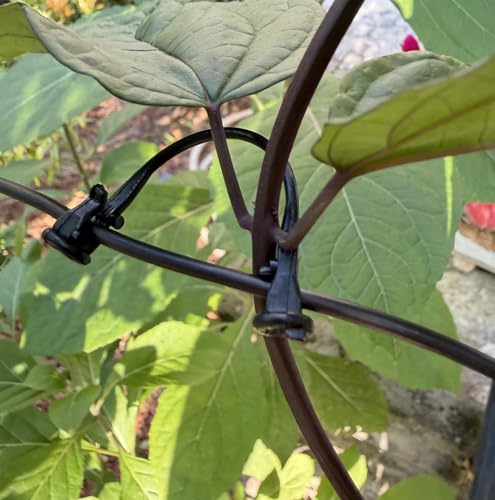
This grape vine support is made of quality PP material, Can be reused,not easy to break,can be easily distorted and on the vine.Easily clips to trellising twine and doesn't slip.

【Durable Metal Construction】This dragon fruit plant rack is made of high-quality metal, sturdy and durable. This dragon fruit trellis has excellent weather resistance, providing strong support for the healthy growth of your climbing plants both indoors and outdoors.

Material & Durability: Compatible for grape vine support, crafted from quality PP material for reusability, resistance to breakage, and easy distortion on vines without slipping when clipped to trellising twine.
1. Planting and Germination
To start the growth journey of kiwi fruit, you’ll first need to plant the seeds. Kiwi seeds are typically planted in a well-draining soil mix, either indoors in pots or directly in the ground. After planting, it usually takes around 2 to 3 weeks for the seeds to germinate and sprout.
2. Seedling Development
Once the seeds have germinated, they will develop into seedlings. During this stage, it’s crucial to provide adequate sunlight, water, and nutrients to help the seedlings grow strong and healthy. Seedlings typically reach a height of a few inches within a couple of months.
3. Establishing Vines
As the seedlings continue to grow, they will develop into vines. Vines are the climbing structures on which the kiwi plants will grow and produce fruit. It takes about a year for the kiwi vines to establish and start climbing, requiring appropriate support such as trellises.
4. Flowering
One of the most exciting stages in the growth cycle of kiwi fruit is flowering. Kiwi plants are dioecious, meaning they have separate male and female plants. For fruit production, both male and female plants are necessary for proper pollination. Flowering typically occurs in late spring to early summer.
5. Fruit Development
After successful pollination, the flowers transform into young kiwi fruit. At this stage, it’s essential to continue caring for the plants by providing sufficient water, sunlight, and nutrients. As the fruit develops, it will grow in size and reach maturity over several months.
6. Harvesting
The final stage of kiwi fruit growth is harvesting the ripe fruit. Depending on the kiwi variety and growing conditions, harvesting usually takes place from late autumn to early winter. Harvesting should be done carefully to ensure the fruit is picked at the right time for optimal flavor and texture.
By understanding each stage of kiwi fruit growth and providing the necessary care and support throughout the process, you can enjoy a successful harvest of delicious kiwi fruits from your plants.
Potential Issues Affecting Kiwi Fruit Growth
When growing kiwi fruits, several potential issues can affect the growth and development of your plants. Being aware of these challenges and how to address them can help you nurture healthy kiwi vines and ensure a successful harvest. Here are some common issues to watch out for:
Recommended Products

3-IN-1 PLANT CARE: 3-In-1 Insect, Disease & Plant Mite Control provides insect control, disease control, and plant mite control all in one; Rainproof protection starts in 4 hours and lasts up to 14 days

SYSTEMIC PLANT DISEASE CONTROL: Disease Control for Roses, Flowers, and Shrubs is a systemic formula that cures and prevents listed diseases for roses, flowers, shrubs, or even houseplants (treated outside)

🥝 Kiwi fruit, also known as Chinese gooseberries, are small, oval-shaped fruits with a brown fuzzy skin and bright green flesh. They are native to China, but are now grown in many countries around the world, including New Zealand, where they are a popular export.
Unsuitable Climate Conditions
Kiwi plants thrive in warm climates, making them sensitive to frost and extreme temperatures. If you live in a region with cold winters or hot summers, it’s essential to provide adequate protection for your kiwi vines. Consider using frost cloth to shield the plants during the winter and providing shade during scorching summer days.
Poor Soil Quality
Kiwi plants require well-draining soil rich in nutrients to support their growth. Compacted or waterlogged soil can lead to root rot and stunt the development of the vines. Conduct a soil test to assess the pH and nutrient levels, and amend the soil with compost or organic matter to improve its quality.
Inadequate Watering
Proper irrigation is crucial for the health of kiwi plants, especially during the growing season and fruit development stages. Overwatering can lead to root rot, while underwatering can cause stress and reduce fruit yield. Establish a consistent watering schedule, ensuring that the soil remains moist but not waterlogged.
Pollination Problems
Kiwi plants have separate male and female vines, requiring proper pollination for fruit set. If you notice a lack of fruit or poor pollination rates, consider planting additional male vines to improve pollination success. You can also encourage pollinators like bees to visit your garden by planting bee-friendly flowers nearby.
Pest Infestations
Pests such as mites, thrips, and aphids can damage kiwi vines and affect fruit quality. Monitor your plants regularly for signs of pest infestations, and take preventive measures such as applying organic pest control solutions or introducing beneficial insects that feed on harmful pests.
By proactively addressing these potential issues and providing the necessary care and attention to your kiwi plants, you can overcome challenges and promote healthy growth, ultimately leading to a bountiful harvest of delicious kiwi fruits.
Harvesting and Yield of Kiwi Fruit
When it comes to harvesting kiwi fruit, timing is crucial to ensure optimal flavor and texture in the fruits you pick. Here are essential points to consider for harvesting and maximizing your kiwi fruit yield:
Recommended Products

Reduce Hand Strain: These micro tip snips are made to reduces hand fatigue which makes them great for those with arthritis, carpal tunnel, hand or wrist issues; Comfortable “grip” handles will make it easy to work for long-time use without making you feel hand pain

DUAL CUTTING POWER: VERSATILE PRUNING COMBO --- With both Pruning Shears and Pruning Snip, this combo delivers unmatched versatility. Whether you're delicately trimming flowers and shrubs, tackling thicker tree branches, or tending to your vegetable and fruit garden, our combo pack excels in all areas. They're also perfect for landscaping projects and maintaining the health and appearance of indoor plants. With this pack, you have a versatile tool that simplifies your gardening tasks.

CLEAN CUTS FOR LIVE GROWTH: Bypass blade design is ideal for pruning delicate flower stems and green growth, helping reduce crushing and plant damage while cutting stems and small branches up to 5/8” in diameter
Understanding the Harvest Time
Knowing when to harvest your kiwi fruit is key. Kiwis are typically ready for picking around late summer to early fall, depending on the variety and your specific growing conditions. Remember, kiwis continue to ripen after being picked, so ensure you harvest them just before they fully ripen on the vine. You can tell they are ready when they start to soften and their skin turns slightly brown.
Harvesting Techniques
To harvest kiwi fruit, gently twist them off the vine, being careful not to damage the fruit or the plant. Kiwis are delicate, so handle them with care to avoid bruising. Use sharp pruning shears to cut the stem cleanly without causing any harm to the vine or the fruit. Be mindful not to pull or yank the fruit, as this may harm the plant.
Maximizing Yield
To ensure a plentiful yield of kiwi fruit, proper care and maintenance of the vines are essential. Regular pruning and training of the vines help promote healthy growth and increase fruit production. Adequate watering, especially during the fruit development stage, is critical for a bountiful harvest. Additionally, providing support structures such as trellises for the vines to climb on can improve air circulation and sun exposure, leading to better fruit set and development.
Storing and Ripening
Once harvested, you can store kiwi fruit in the refrigerator for a few weeks. If you want to speed up the ripening process, place them in a paper bag with a banana or apple to increase the release of ethylene gas, which helps ripen the kiwis faster. Check them periodically to ensure they reach the desired ripeness before enjoying them.
Conclusion
You now have a solid understanding of the growth journey of kiwi fruit, from planting to harvesting. Remember, factors like climate, soil quality, and pollination play key roles in ensuring a successful harvest. Be mindful of potential issues like unsuitable climate conditions, poor soil quality, and pest infestations, and take necessary precautions. By following proper care and maintenance practices, you can nurture healthy vines and maximize fruit production. Harvesting at the right time, using correct techniques, and storing the fruits properly post-harvest are crucial for optimal flavor and texture. With the knowledge gained, you’re well-equipped to cultivate delicious kiwi fruits in your own garden. Happy growing!
Frequently Asked Questions
Q: What are the main factors affecting the growth of kiwi fruit?
A: Key factors influencing kiwi fruit growth include climate conditions, soil quality, pollination success, watering adequacy, and pest management.
Q: What issues can impact the growth of kiwi fruit negatively?
A: Unsuitable climate conditions, poor soil quality, insufficient watering, pollination problems, and pest infestations can hinder kiwi fruit growth.
Q: How can one protect and care for kiwi vines for optimal growth?
A: To safeguard kiwi vines, provide suitable climate conditions, proper soil nutrients, adequate watering, address pollination issues, and implement pest control measures.
Q: What are essential points for harvesting and maximizing kiwi fruit yield?
A: Harvest time awareness, proper harvesting techniques, vine care, and post-harvest storage methods are crucial for maximizing kiwi fruit yield.
Q: How can one achieve optimal flavor and texture in harvested kiwi fruits?
A: Optimal flavor and texture in kiwi fruits can be achieved by employing precise timing, appropriate handling, pruning, watering schedules, and suitable storage techniques.
