

Have you ever wondered if every persimmon tree will reward you with delicious fruit? If you’ve planted one in your yard or are thinking about it, you’re not alone. Many people are curious about the fruit-bearing potential of these beautiful trees.
Understanding whether all persimmon trees bear fruit can save you time and help you make informed choices. This article will explore the factors that influence fruit production, from tree varieties to environmental conditions. By the end, you’ll have a clearer picture of what to expect from your persimmon tree and how to maximize its fruit-bearing potential.
Key Takeaways
- Not All Trees Bear Fruit: Understanding the specific type of persimmon tree is crucial, as not all varieties produce fruit. American persimmons require both male and female trees for fruiting, while many Asian persimmons are self-pollinating.
- Environmental Conditions Matter: Adequate sunlight (6 to 8 hours daily), well-drained soil, and proper watering significantly influence fruit production. Poor environmental conditions can hinder yields.
- Tree Age and Pollination: Fruiting typically begins when persimmon trees are 3 to 5 years old. It’s essential to know whether your tree requires cross-pollination or can self-pollinate to maximize fruit potential.
- Variety Selection: Choosing the right variety is essential for a fruitful harvest. Popular choices like ‘Fuyu’ and ‘Hachiya’ for Asian persimmons and ‘Meader’ for American ones can lead to better yields.
- Regular Maintenance Enhances Yield: Implementing regular watering, organic mulching, and appropriate pruning can significantly improve the health and fruit production of your persimmon tree.
- Debunking Myths: Common myths surrounding persimmons, such as gender misconceptions and seasonal fruiting, can lead to misunderstandings about their fruit-bearing potential. It’s vital to clarify these points for better knowledge and care of your trees.
Overview of Persimmon Trees
Persimmon trees belong to the genus Diospyros, with two main types: American persimmon (Diospyros virginiana) and Asian persimmon (Diospyros kaki). Both varieties offer delicious fruit, but their fruit-bearing characteristics can differ significantly.
Types of Persimmon Trees
- American Persimmon
- Grows in hardiness zones 4 to 9.
- Produces round, yellow to orange fruit.
- Offers a wild flavor, generally astringent until fully ripe.
- Asian Persimmon
- Thrives in hardiness zones 7 to 10.
- Yields larger, sweet, and non-astringent fruit.
- Comes in various cultivars, each with unique tastes.
Factors Influencing Fruit Production
- Tree Age: Fruiting often begins when trees reach 3 to 5 years. Patience is essential as younger trees may not produce fruit.
- Pollination: Some varieties are self-pollinating, while others require cross-pollination for fruit setting. Knowing your tree type helps.
- Environmental Conditions: Adequate sunlight (6 to 8 hours daily), well-drained soil, and proper watering influence fruiting potential. Excessive drought or waterlogged conditions can hinder yield.
Common Questions
Do all persimmon trees bear fruit?
- Not all persimmon trees produce fruit. Ensure your tree is a fruiting variety and meets age and environmental requirements.
What if my persimmon tree isn’t fruiting?
- Assess factors like age, pollination, and light exposure. Consider fertilizing and pruning your tree to enhance fruit production.
- Ensure Proper Spacing: Adequate air circulation prevents disease and encourages healthy growth.
- Choose Compatible Varieties: If your tree requires a pollinator, select a compatible variety to enhance yields.
- Regular Maintenance: Water regularly and apply organic mulch to retain soil moisture.
By understanding the types of persimmon trees and their specific needs, you can increase your chances of enjoying a bountiful harvest.
Types of Persimmon Trees
Persimmon trees come in two primary varieties, offering different characteristics and fruiting potentials. Understanding these types helps you choose the right tree for your garden.
Recommended Products

PRODUCT IMAGE DISCLAIMER: The main image is for reference only. The plant you receive may not look exactly the same as shown in the first image

Yields sweet Diospyros Virginiana persimmons, ideal for fall uses like roasted servings or fresh meal pairings

LIVE AMERICAN PERSIMMON TREES: Includes American Persimmon live trees potted in quart pot, measuring 6-12 inches tall. Trees may arrive as a dormant plant (without leaves) depending on the season, ready for planting.
American Persimmon
American persimmon (Diospyros virginiana) thrives in hardiness zones 4 to 9. This tree typically grows to a height of 30 to 50 feet and produces round, astringent fruit. The fruit size ranges from 1 to 2 inches in diameter, ripening in late fall.
- Pollination: Many American persimmons are dioecious, meaning you need both male and female trees for optimal fruit production.
- Fruit Characteristics: The fruit is often very astringent when unripe but transforms to a sweet delicacy once fully ripe.
- Common Varieties: Varieties like ‘Meader’ and ‘Pawpaw’ are popular for home gardens.
Asian Persimmon
Asian persimmon (Diospyros kaki) prefers warmer climates, thriving in hardiness zones 7 to 10. This tree reaches heights of 15 to 30 feet and produces larger, sweet, non-astringent fruit.
- Pollination: Most Asian persimmons are self-pollinating, simplifying the planting process. However, having a second tree can enhance yields.
- Fruit Characteristics: The fruit measures 2 to 4 inches in diameter and has a smooth skin, ranging in color from orange to yellow.
- Common Varieties: Varieties like ‘Fuyu’ and ‘Hachiya’ are quite popular. ‘Fuyu’ is noted for its crisp texture, while ‘Hachiya’ is known for its creamy, custard-like flesh when fully ripe.
By choosing the right type of persimmon tree, you increase the likelihood of enjoying a fruitful harvest.
Factors Influencing Fruit Production
Understanding the factors influencing fruit production helps you optimize your persimmon tree’s yield. Key elements include the variety of the tree, pollination requirements, and environmental conditions.
Recommended Products

ESTABLISHED QUART POT: You receive a American Persimmon tree settled in its own quart-sized container, standing 6-12 inches tall. This manageable size is easy for you to handle and is intended to provide a strong beginning for the tree with a more developed root system compared to smaller seedlings or bare-root sticks.

For sale are 2 American Persimmon Trees that are approximately 12-18" tall and shipped in quart pots
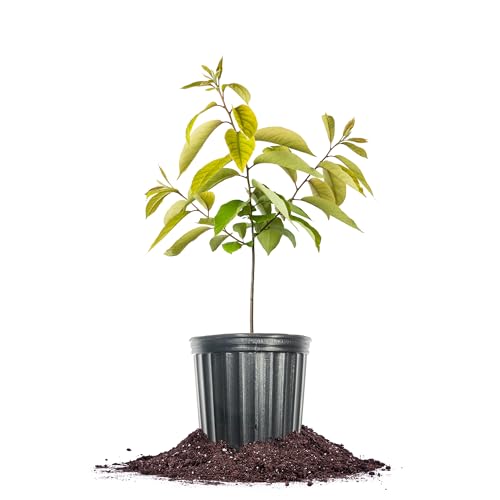
The American Persimmon Tree is a low-maintenance, deciduous tree that produces sweet, bright orange fruit each fall.
Variety of the Tree
Different persimmon tree varieties affect fruit-bearing capacity. American persimmons are dioecious, requiring both male and female trees for optimal fruiting. Common American varieties include ‘Meader,’ which is hardy and can withstand colder climates, and ‘Pawpaw,’ known for its sweet fruit. Conversely, most Asian persimmons, like ‘Fuyu’ and ‘Hachiya,’ are self-pollinating, which simplifies the growing process. Growing a mix of these varieties can increase overall fruit production.
Pollination Requirements
Pollination has a significant impact on fruit production. American persimmons need a male tree nearby to produce fruit. If no male tree is present, the female tree might not bear any fruit. Asian persimmons need fewer restrictions; many can self-pollinate and produce fruit on their own. If planting American persimmons, consider spacing them with a male tree for better yield.
Environmental Conditions
Environmental factors strongly influence fruit production in persimmon trees. Trees prefer well-drained soil and full sunlight for optimal growth. American persimmons thrive in hardiness zones 4 to 9, while Asian varieties prefer zones 7 to 10. The right climate helps trees develop strong roots and healthy fruit. Regular pruning improves air circulation and sunlight exposure, boosting fruit production.
Common Myths About Fruit Bearing
Misunderstandings about persimmon trees often lead to confusion regarding their fruit-bearing potential. Let’s debunk some of these myths.
Misconceptions on Dormancy
Many believe that persimmon trees only bear fruit in specific seasons. While dormancy occurs in winter, persimmon trees prepare for fruiting in the spring and summer. If you observe no fruits, the issue may lie in inadequate pollination or insufficient sunlight rather than the tree’s seasonal cycle. Regular monitoring and care can help you ensure fruit production when the growing season arrives.
Gender of the Tree
You may think all persimmon trees bear fruit regardless of gender. That’s not true for American persimmons, which are dioecious and require both male and female trees for fruiting. Planting a male tree like ‘Meader’ alongside a female tree ensures successful pollination. Asian persimmons, however, primarily self-pollinate and often bear fruit alone. When selecting trees, confirm the pollination needs based on the variety to enhance your yield.
Conclusion
Whether you’re planting a persimmon tree or wondering why yours isn’t bearing fruit it’s important to remember that not all trees will produce fruit every year. Understanding the specific needs of your tree type can make a big difference. American persimmons need both male and female trees for fruiting while most Asian varieties are self-pollinating.
By ensuring your tree receives proper care including adequate sunlight and well-drained soil you’ll enhance its chances of a fruitful harvest. With a little patience and the right conditions your persimmon tree can reward you with delicious fruit for years to come. Happy gardening!
Frequently Asked Questions
What types of persimmon trees are there?
Persimmon trees primarily fall into two categories: American persimmons (Diospyros virginiana) and Asian persimmons (Diospyros kaki). American varieties thrive in hardiness zones 4 to 9 and produce astringent fruit, while Asian varieties flourish in zones 7 to 10, yielding larger, sweet, and non-astringent fruit.
Do all persimmon trees bear fruit?
Not all persimmon trees bear fruit. American persimmons require both male and female trees for optimal fruit production, while most Asian persimmons are self-pollinating and can produce fruit alone. Factors like tree age and environmental conditions also affect fruit-bearing potential.
How can I improve fruit production in my persimmon tree?
To enhance fruit production, ensure proper spacing between trees, select compatible varieties, and maintain regular care. This includes providing well-drained soil, full sunlight, and diligent pruning to improve air circulation and sunlight exposure, which aids in healthy growth.
Why isn’t my persimmon tree producing fruit?
Common reasons for a persimmon tree not producing fruit include inadequate pollination, insufficient sunlight, or poor soil conditions. American persimmons specifically require both male and female trees for pollination, while environmental factors, like exposure to sunlight and drainage, play a crucial role in fruiting.
What are common varieties of Asian persimmons?
Popular varieties of Asian persimmons include ‘Fuyu’ and ‘Hachiya.’ ‘Fuyu’ is noted for its crisp texture and can be eaten when firm, while ‘Hachiya’ yields creamy flesh when fully ripe, making it ideal for desserts. Both are known for their sweet flavor and ease of cultivation.
