

Have you ever dreamed of picking fresh fruit from your own garden, but worry you don’t have enough space? You’re not alone. Many people face the challenge of limited outdoor areas but still crave the joy of growing their own fruit trees. The good news is you can absolutely grow a fruit tree in a pot, no matter how small your space is.
This article will guide you through the ins and outs of container fruit trees. You’ll learn about the best varieties to choose, how to care for them, and the tips that’ll help you enjoy a bountiful harvest right from your balcony or patio. With a little knowledge and effort, you can turn your small space into a fruitful oasis.
Key Takeaways
- Growing in Limited Space: You can successfully cultivate fruit trees in pots, making them ideal for small outdoor areas like balconies and patios.
- Choose the Right Varieties: Opt for dwarf or semi-dwarf fruit tree varieties, such as dwarf apple, columnar pear, and fig trees, which are suitable for container growth.
- Proper Pot Size and Soil: Use pots of at least 10 to 20 gallons with excellent drainage, and fill them with a high-quality, well-draining potting mix tailored for fruit trees.
- Effective Watering and Fertilization: Maintain proper soil moisture, water deeply when dry, and use balanced fertilizers to support healthy growth and fruit production.
- Sunlight and Maintenance: Ensure your trees receive at least six hours of sunlight daily and regularly prune for better air circulation and increased fruit yield.
- Pest and Disease Management: Monitor for pests and diseases, using organic treatments to maintain healthy fruit trees and promote a successful harvest.
Overview Of Growing Fruit Trees In Pots
Growing fruit trees in pots is a rewarding endeavor. You can enjoy fresh fruit even if you lack large outdoor space. Here are the essential factors to consider for successful pot cultivation.
Suitable Varieties
Select dwarf or semi-dwarf varieties for pot growth. Options like:
- Dwarf Apple Trees: These trees can yield apples in limited spaces.
- Columnar Pear Trees: These trees fit well in narrow areas, producing tasty pears.
- Fig Trees: Fig varieties thrive in pots and provide sweet fruits.
Pot Size and Drainage
Choose pots with ample size to support root growth. A volume of at least 10 to 20 gallons is ideal for most fruit trees. Ensure proper drainage by:
- Using pots with drainage holes.
- Adding gravel or small stones at the bottom.
Soil and Nutrition
Use high-quality potting mix designed for fruit trees. The soil must be well-draining and rich in organic matter. Regularly fertilize your trees with:
- Balanced, slow-release fertilizers.
- Liquid fertilizers during the growing season.
Watering Practices
Maintain proper soil moisture without overwatering. Water the trees deeply when the top inch of soil feels dry. In hot conditions, you may need to check the moisture daily.
Light Requirements
Position your pots in a spot with full sun exposure, meaning at least six hours of sunlight daily. Rotate pots periodically to ensure even growth.
Pruning and Maintenance
Regular pruning encourages healthy growth and increases fruit production. Use sharp, clean pruning shears. Focus on:
- Removing dead or damaged branches.
- Shaping the tree to maintain an open center for sunlight access.
Pest and Disease Management
Monitor for pests such as aphids or spider mites. Use organic treatments like insecticidal soap or neem oil when necessary. Prevent diseases by:
- Keeping foliage dry during watering.
- Ensuring good air circulation around the tree.
By following these guidelines, you can create a fruitful garden in your own space, reaping the rewards of homegrown fruit even in limited areas.
Benefits Of Growing Fruit Trees In Containers
Growing fruit trees in pots provides several advantages that can enhance your gardening experience. You can enjoy fresh fruits no matter the size of your outdoor space.
Space Efficiency
Utilizing containers for fruit trees maximizes your available space. You can arrange pots on balconies, patios, or even small yards, fitting them into areas that would be unsuitable for traditional gardens. Dwarf and semi-dwarf varieties, like the dwarf apple tree or columnar pear tree, thrive in these conditions. You can stagger pots at varying heights for an appealing display while ensuring each tree receives proper sunlight.
Accessibility
Containers make fruit trees easier to access. You can move pots as needed, optimizing exposure to sun or sheltering them from harsh conditions. This mobility is especially beneficial for those with limited strength or mobility. You can easily reach branches for pruning or harvesting without bending or stretching too much. Choosing pots with wheels can further enhance convenience, ensuring your fruit trees remain within your reach.
Best Fruit Trees For Pots
Growing fruit trees in pots can be a satisfying experience. You can enjoy fresh produce without needing a large garden. Here are some top choices for successful potted fruit trees.
Recommended Products

Package: 5 Individual Packs, 40+ Lemon Tree Seeds 40+ Cherry Tree Seeds 40+ Orange Tree Seeds 40+ Apple Seeds 20+ Blueberry Seeds
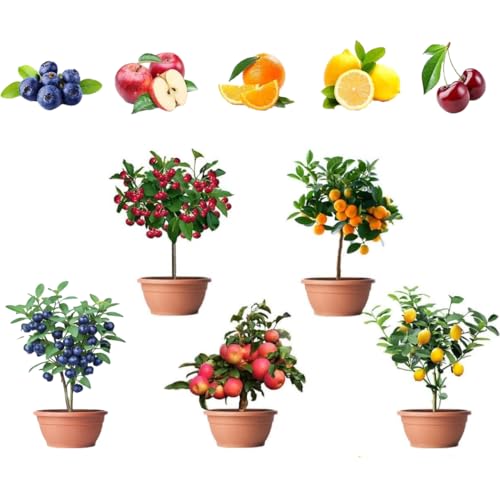
Variety Pack of 5 Fruits: Includes 40 Lemon seeds, 40 Orange seeds, 40 Apple seeds, 20 Cherry seeds, and 20 Blueberry seeds for a colorful and diverse home garden

Product Quantity: 180+ premium bonsai fruit seeds across 5 varieties; Individual packs contain 40+ apple, 40+ lemon, 40+ orange, 20+ blueberry, and 40+ cherry seeds; Perfect for starting a diverse miniature orchard
Dwarf Varieties
Dwarf fruit trees thrive in containers and typically reach heights of 3 to 8 feet. They produce full-sized fruit but require less space. Popular options include:
- Dwarf Apple Trees: Varieties like ‘Honeycrisp’ and ‘Fuji’ grow well in pots. They prefer full sun and regular pruning.
- Dwarf Cherry Trees: ‘Stella’ and ‘Montmorency’ are excellent choices. These trees need well-drained soil and about 6 to 8 hours of sunlight daily.
- Dwarf Citrus Trees: Consider ‘Meyer Lemon’ or ‘Calamondin Orange’. These trees flourish in warm conditions and need consistent watering.
Suitable Species
Certain species adapt better to pot life. Consider these options for your container garden:
- Fig Trees: Varieties like ‘Brown Turkey’ or ‘Celeste’ are well-suited for pots. They’re tolerant of drought, making them relatively low-maintenance.
- Blueberry Bushes: ‘Northcountry’ and ‘Patriot’ are suitable for containers. They require acidic soil. Use potting mix designed for acid-loving plants.
- Columnar Pear Trees: ‘Urban Pear’ varieties grow upright and save space in your garden. They produce delicious pears while adding visual interest.
Selecting the right fruit trees for pots paves the way for a fruitful experience. Choose trees suited to your environment, water them appropriately, and enjoy the rewards of your efforts.
Essential Care For Potted Fruit Trees
Caring for potted fruit trees requires attention and regular maintenance. With the right techniques, you can enjoy a bountiful harvest even in limited space.
Recommended Products

Package contains 4 Pounds organic fruit and citrus fertilizer grains and is produced to avoid wasteful runoff, mess, hazards and smells

Made for Lemon & Citrus Trees – Formulated to support healthy growth in lemon and citrus plants.
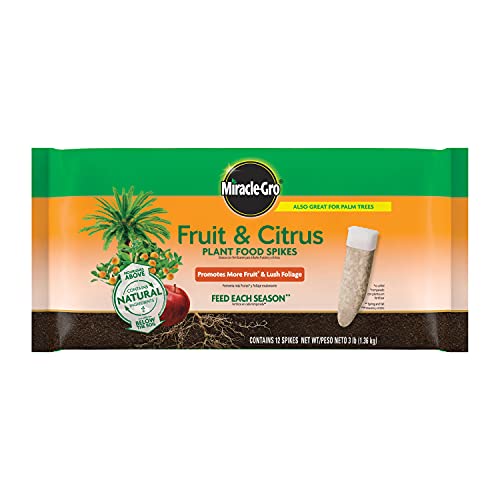
FORMULATED FOR CITRUS AND FRUIT TREES: Use these citrus fertilizer spikes on apple, orange, lemon, lime, and avocado trees; this formula is also great for feeding palm trees
Proper Watering Techniques
Watering potted fruit trees correctly is essential for healthy growth. Ensure the pot has drainage holes to prevent waterlogging. Check the soil moisture regularly; stick your finger about an inch into the soil. If it feels dry, it’s time to water. Water until you see it draining out of the bottom. Always aim for deep watering, promoting root growth. Adjust your watering frequency based on the season. In warmer months, you may need to water more frequently, while in cooler months, less is required.
Fertilization Tips
Fertilizing potted fruit trees supports healthy blooms and fruit development. Use a balanced, slow-release fertilizer formulated for fruit trees. Apply the fertilizer in early spring and again mid-summer. Follow the package instructions regarding measurement and application. Regularly check your trees for signs of nutrient deficiency, such as yellow leaves or stunted growth. Consider using organic options, like compost or fish emulsion, to enrich the soil naturally. Adjust your fertilization based on the tree’s specific needs and growth stage.
Common Challenges And Solutions
Growing fruit trees in pots presents unique challenges, but solutions exist for common problems. Awareness of these hurdles helps ensure a thriving container garden.
Recommended Products

READY-TO-USE CONTACT SPRAY: No mixing required. Thoroughly spray insecticide on all plant parts, including the underside of leaves. Pests must be sprayed directly to achieve control
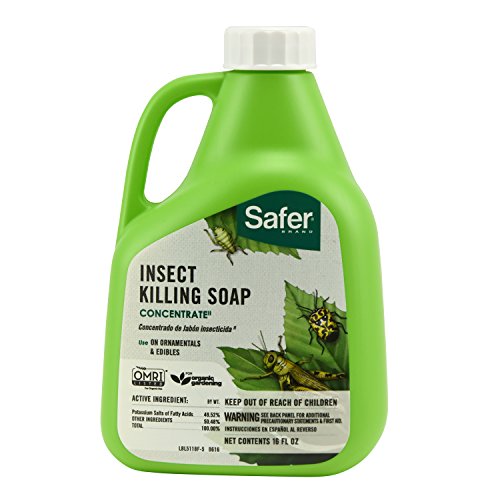
GENTLE ON MOST PLANTS - This aphid spray is ideal for use on flowers, herbs, vegetables, houseplants, lawn, tree, shrubs, and more

KILLS LISTED FRUIT & CITRUS TREE INSECTS: Controls Asian Citrus Psyllid, Whiteflies, Aphids Thrips, Citrus Leafminers, Leafhoppers, Blackfly, Mealybugs, Scales, Avocado Lacebugs, Oriental Beetles, Flea Beetles, Sharpshooters, and Spittlebugs
Pest Management
Pests can harm potted fruit trees. Common pests include aphids, spider mites, and whiteflies. Monitor your plants regularly for signs of infestations.
- Identify Pests: Check the leaves and stems for visible pests. Look for discoloration or sticky residue.
- Use Insecticidal Soap: Spray affected areas with insecticidal soap as a safe, effective treatment. Follow label instructions for application.
- Encourage Beneficial Insects: Introduce ladybugs and lacewings, which help control pests naturally.
Environmental Factors
Environmental conditions play a significant role in the health of your potted fruit trees. Factors include sunlight, temperature, and soil moisture.
- Sunlight Requirements: Ensure your trees receive at least six hours of direct sunlight daily. Position pots in sunny spots or use reflective surfaces to enhance light exposure.
- Temperature Control: Monitor temperature changes, especially in extreme heat or cold. Move pots indoors or use protective covers during harsh conditions.
- Soil Moisture Management: Keep soil consistently moist but not soggy. Use moisture meters if needed, and adjust your watering schedule according to the season.
By addressing these common challenges with practical solutions, you set up your fruit trees in pots for healthy growth and fruitful harvests in your limited space.
Conclusion
Growing a fruit tree in a pot is a fantastic way to enjoy fresh produce even if you’re short on space. With the right variety and a bit of care you can create a thriving mini orchard right on your balcony or patio.
Remember to choose dwarf or semi-dwarf trees that fit your space and make sure your pots have good drainage. Regular watering sunlight and pruning will keep your trees healthy and productive.
So go ahead and give it a try. You might just find that nurturing your own fruit tree brings a special joy and satisfaction to your gardening experience. Happy planting!
Frequently Asked Questions
Can I grow fruit trees in pots?
Yes, you can successfully grow fruit trees in pots! Dwarf and semi-dwarf varieties are ideal for container gardening, allowing you to enjoy fresh fruit even in limited spaces like balconies or patios.
What are the best fruit trees for pots?
Some of the best fruit trees for pots include dwarf apple trees, columnar pear trees, fig trees, and cherry trees. These varieties adapt well to container life and can thrive in limited space.
How big should the pot be for fruit trees?
A pot size between 10 to 20 gallons is recommended for fruit trees. This size provides adequate space for root growth and ensures proper drainage for healthy plants.
How often should I water my potted fruit trees?
Water your potted fruit trees regularly, ensuring the soil remains consistently moist but not soggy. Check soil moisture frequently and water deeply to promote strong root development.
What type of fertilizer is best for potted fruit trees?
Use a balanced, slow-release fertilizer in early spring and mid-summer to nourish your potted fruit trees. Consider organic options to enhance soil quality and support healthy growth.
How can I manage pests on my potted fruit trees?
To manage pests like aphids and spider mites, use insecticidal soap or introduce beneficial insects such as ladybugs. Regular monitoring is key to keeping your trees healthy.
How much sunlight do fruit trees in pots need?
Fruit trees in pots require full sun exposure for at least 6 to 8 hours a day. Proper sunlight is essential for healthy growth and fruit production.
What challenges might I face when growing fruit trees in pots?
Common challenges include pest infestations, temperature control, and soil moisture management. Address these issues with proactive care, such as regular monitoring and maintaining optimal conditions.
Can I prune my fruit trees in pots?
Yes, regular pruning is important for potted fruit trees. It promotes healthy growth, improves air circulation, and encourages a better fruit yield, making it easier to manage your plants.
Is it worth growing fruit trees in pots?
Absolutely! Growing fruit trees in pots allows you to maximize limited space while enjoying homegrown fruit. With proper care, it’s a rewarding and fulfilling gardening experience.
