

Do you wish your fruit trees could stay manageable without sacrificing their bounty? You’re not alone. Many gardeners face the challenge of keeping their trees small while still enjoying a fruitful harvest.
Key Takeaways
- Understand Pruning Basics: Pruning enhances the health and size management of fruit trees, promoting better growth and fruit production.
- Key Tools: Essential pruning tools include hand pruners, loppers, pruning saws, pole pruners, and gloves—ensure they are sharp and well-maintained for effective cuts.
- Pruning Techniques: Use thinning cuts to improve airflow and heading cuts to promote bushier growth, focusing on optimal spacing and branch distribution.
- Optimal Timing: Prune fruit trees in late winter or early spring for best results; avoid fall pruning to prevent unwanted growth before winter.
- Variety Selection: Choose dwarf or semi-dwarf fruit tree varieties to naturally keep trees small while ensuring a fruitful harvest.
- Regular Monitoring: After pruning, observe the tree’s response and adjust your techniques as necessary to maintain desired size and shape.
Understanding Pruning Basics
Pruning promotes healthier growth and fruit production while keeping trees small. Understanding the fundamentals of this process helps you maintain control over your fruit trees.
Importance of Pruning
Pruning serves multiple purposes. It removes dead or diseased branches, improving tree health. It shapes trees to encourage sunlight penetration, which boosts fruit quality. Pruning also manages tree height, making harvesting easier and safer. Regular pruning can lead to higher yields, as it encourages new growth and fruiting wood.
Tools Needed for Pruning
Having the right tools simplifies the pruning process. Essential tools include:
- Hand Pruners: Ideal for small branches up to ¾ inch in diameter.
- Loppers: Effective for branches between ¾ inch and 1½ inches thick.
- Pruning Saw: Best suited for larger branches over 1½ inches.
- Pole Pruner: Useful for reaching high branches without a ladder.
- Gloves: Protect your hands from cuts and tree sap.
Keep your tools sharp and well-maintained. This ensures clean cuts and minimizes damage to the tree.
Techniques for Pruning Fruit Trees
Pruning fruit trees involves specific techniques that help maintain their size while enhancing fruit production. You can apply the following methods effectively to keep your trees manageable and healthy.
Recommended Products

IDEAL BRANCH TRIMMER: 28" Steel blade garden bypass lopper that glides through up to 1.5" thick branches for easy cuts; Works well for trimming tree branches to maintain your yard and garden, and to encourage overall plant health and appearance

LONG-LASTING SHARPNESS: Japanese SK5 bypass blade with titanium coating is tested through 5,000 cuts to maintain a sharp edge and deliver clean, consistent cuts on live stems and branches
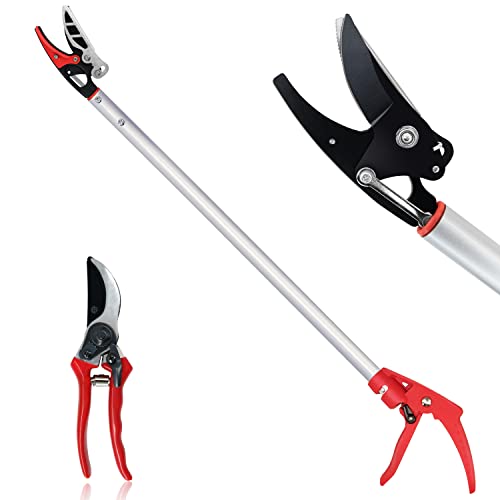
Long Handle Design: 32" handle length of the cut and hold pruners reduces back pain and stress, eliminating the need to bend over for trimming; It can also easily stretches to higher branches or thorns.
Thinning Cuts
Thinning cuts remove entire branches at their point of origin. This technique improves airflow and light penetration, which benefits tree health and fruit development.
- Choose crowded areas: Identify branches that overlap or significantly crowd others. Remove the less desirable branches for optimal spacing.
- Focus on weak wood: Thin out weak or thin branches that may not support fruit properly. This encourages the remaining branches to bear more fruit.
- Space branches evenly: Aim for an open canopy by maintaining a balanced distribution of branches throughout the tree. This promotes better growth overall.
Heading Cuts
Heading cuts shorten branches by cutting them back to a bud or side branch. This method encourages bushier growth and can help manage tree height.
- Select the right branches: Focus on long, tall branches that disrupt your desired tree shape. Cut back to a bud facing the direction you want future growth to go.
- Ensure a clean cut: Use sharp pruning tools to make clean cuts. Jagged cuts can lead to disease and poor growth.
- Monitor regrowth: After heading, observe how the tree responds. If new shoots grow rapidly, reconsider your approach to maintain the desired size.
Applying these pruning techniques regularly helps maintain smaller fruit trees that continue to produce abundant harvests.
Best Time to Prune Fruit Trees
Pruning fruit trees at the right time maximizes their health and fruit production while keeping them small. Proper timing ensures effective cuts that encourage optimal growth.
Seasonal Considerations
Prune in late winter or early spring before new growth starts. This timing allows you to assess the tree’s structure without leaves obstructing your view. Alternatively, some light summer pruning can help manage size while promoting new fruiting wood. Avoid pruning in fall to prevent stimulating growth that won’t survive winter conditions.
- Apple Trees: Prune in late winter, ideally February to early March, before buds swell. This period minimizes stress and supports vigorous spring growth.
- Peach Trees: Opt for a late winter or early spring approach, typically in March. Early pruning encourages strong growth and might maximize fruit yield.
- Cherry Trees: Prune in late summer or early fall after harvest. This timing reduces the risk of cherry leaf spot disease and encourages proper airflow.
- Plum Trees: Similar to cherries, prune in late summer to avoid disease while maintaining manageable height and shape.
Use these specific timelines to ensure effective pruning practices that align with each tree species’ growing habits.
Tips for Keeping Fruit Trees Small
To keep your fruit trees small while promoting healthy growth and fruit production, focus on specific techniques and variety selection.
Recommended Products

Product Quantity: 180+ premium bonsai fruit seeds across 5 varieties; Individual packs contain 40+ apple, 40+ lemon, 40+ orange, 20+ blueberry, and 40+ cherry seeds; Perfect for starting a diverse miniature orchard

4 kinds of the most popular fruits, individually packaged, 50pcs Lemon seeds 50pcs Cherry seeds 50pcs Orange seeds 50pcs Apple seeds Fresh seeds, all fruit seeds are packed in tear and moisture resistant zipper sealed bags for your long term storage.
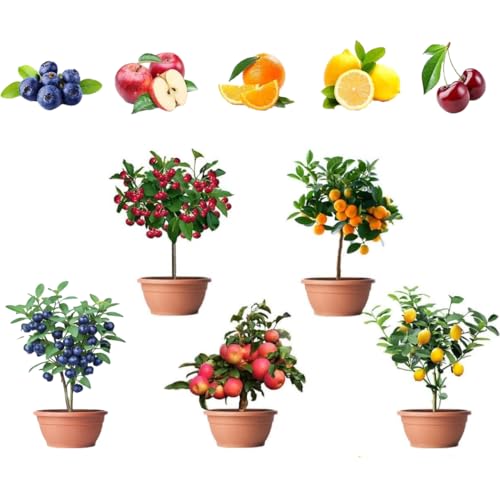
Variety Pack of 5 Fruits: Includes 40 Lemon seeds, 40 Orange seeds, 40 Apple seeds, 20 Cherry seeds, and 20 Blueberry seeds for a colorful and diverse home garden
Choosing the Right Varieties
Select dwarf or semi-dwarf fruit tree varieties. These trees naturally grow smaller than standard species, making them easier to manage. For example, consider choosing dwarf apples like ‘Honeycrisp’ or ‘Gala.’ Also, semi-dwarf varieties like ‘Frost Peach’ or ‘Sweetheart Cherry’ offer a good balance of size and yield. Ensure you check your local climate and soil conditions, as some varieties thrive better in specific environments.
Pruning for Shape and Size
Use pruning techniques to maintain the desired size and shape of your trees. Start with thinning cuts by removing entire branches close to the trunk. This enhances airflow and sunlight penetration. For bushier growth and to control height, utilize heading cuts. Focus on branches that extend too far or clash with others. Aim to prune about one-third of the tree’s total size during the dormant season, typically late winter to early spring.
- Identify crowded branches and remove weak or crossing ones.
- Cut back branches to an outward-facing bud to encourage growth away from the center.
- Make clean cuts with sharp tools to prevent damage and promote healing.
Regularly monitor your trees after pruning. Look for new growth patterns and adjust your cutting techniques as needed. Maintaining a well-shaped tree not only keeps it compact but also increases fruit production.
Conclusion
Pruning your fruit trees is a rewarding way to keep them small while boosting their productivity. By using the right techniques and tools you can create a balance that allows for easy harvesting and healthy growth. Regular attention to your trees not only enhances their shape but also encourages better fruit yields.
Remember to prune at the right times for each species and don’t hesitate to experiment with different cuts to see what works best for your trees. With a little patience and care you’ll enjoy a manageable garden filled with delicious fruits. Happy pruning!
Frequently Asked Questions
What is the main challenge when growing fruit trees?
Growing fruit trees often involves balancing tree size with fruit production. Many gardeners want to keep their trees manageable in size without sacrificing their harvest yield.
How does pruning help fruit trees?
Pruning promotes healthier growth and higher fruit production by removing dead or diseased branches, shaping the tree for better sunlight access, and keeping the height manageable for easier harvesting.
What tools are essential for pruning fruit trees?
Essential pruning tools include hand pruners, loppers, pruning saws, pole pruners, and gloves. Keeping these tools sharp and well-maintained is crucial for effective pruning.
When is the best time to prune fruit trees?
The best time to prune fruit trees is in late winter or early spring before new growth begins. Specific timelines depend on the species, such as apple trees in February to March and peach trees in March.
How can I keep fruit trees small while enhancing fruit production?
Select dwarf or semi-dwarf fruit tree varieties and employ proper pruning techniques. Focus on using thinning cuts to improve airflow and heading cuts to control tree height.
What are thinning and heading cuts in pruning?
Thinning cuts involve removing entire branches for better light and airflow. Heading cuts shorten branches to promote bushier growth and manage tree height, helping maintain a compact shape while boosting yield.
