
Close Menu
    Fruit Tree Hub
    • Home
    • Apple Trees
    • Lemon Trees
    • Mango Trees
    • Orange Trees
    • More Trees
      • Best Fruit Trees
      • Apricot Trees
      • Cherry Trees
      • Fig Trees
      • Lime Trees
      • Mulberry Trees
      • Peach Trees
      • Pear Trees
      • Plum Trees
      • Pomegranate Trees
    • Tips and Advice
      • Tools
    • About Us
      • Contact
      • Privacy Policy
    Fruit Tree Hub
    Home»Climbing Fruit»Cantaloupe»Are Cantaloupe Seeds Good for You? Discover Their Surprising Health Benefits
    Cantaloupe

    Are Cantaloupe Seeds Good for You? Discover Their Surprising Health Benefits

    Lucy SmithBy Lucy SmithJuly 20, 20246 Mins Read
    Share Facebook Twitter Pinterest WhatsApp Email
    Share
    Facebook Twitter LinkedIn Pinterest Telegram Email

    Have you ever wondered about the tiny seeds nestled in a juicy slice of cantaloupe? Picture this: you’re enjoying a refreshing bowl of fruit salad, and there they are – the unassuming seeds that often go unnoticed. But wait, are these little seeds more than just an afterthought?

    Contents show
    1 Key Takeaways
    2 Cantaloupe Seeds Nutritional Profile
    2.1 Vitamins and Minerals in Cantaloupe Seeds
    2.2 Dietary Fiber and Protein Content
    3 Health Benefits of Cantaloupe Seeds
    3.1 Heart Health and Blood Sugar Control
    3.2 Digestive Health Benefits
    4 How to Incorporate Cantaloupe Seeds into Your Diet
    4.1 Roasting and Seasoning Techniques
    5 Potential Risks and Considerations
    5.1 Allergies and Digestive Concerns
    5.2 Recommended Daily Intake
    6 Conclusion
    7 Frequently Asked Questions
    7.1 Q: Are cantaloupe seeds nutritious?
    7.2 Q: How do cantaloupe seeds impact health?
    7.3 Q: What risks should I consider when eating cantaloupe seeds?
    7.4 Q: How should I incorporate cantaloupe seeds into my diet safely?

    Key Takeaways

    • Cantaloupe seeds are a good source of essential nutrients such as vitamin E, magnesium, potassium, zinc, dietary fiber, and protein.
    • These seeds offer health benefits like supporting heart health, blood sugar control, and digestive regularity due to their nutrient content.
    • Incorporating cantaloupe seeds into your diet can be done through roasting techniques to enhance flavor or by blending them into seed butter, granola, pesto, or using them as a topping for various dishes.
    • Be mindful of potential risks such as allergies or digestive concerns when consuming cantaloupe seeds and aim for moderation in their intake within a balanced diet.

    Cantaloupe Seeds Nutritional Profile

    Cantaloupe seeds are not just an afterthought in a fruit salad; they offer a range of essential nutrients that can benefit your health. Let’s delve into the nutritional profile of cantaloupe seeds to understand their value better.

    MUST READ
    How to Grow Cantaloupe at Home: A Comprehensive Guide for Pesticide-Free Produce

    Vitamins and Minerals in Cantaloupe Seeds

    Cantaloupe seeds are packed with vital vitamins and minerals that contribute to overall well-being. These tiny seeds contain significant amounts of vitamin E, which is known for its antioxidant properties that help protect your cells from damage. Additionally, they are rich in minerals like magnesium, potassium, and zinc. Magnesium plays a crucial role in various bodily functions, including muscle and nerve function, while potassium helps regulate blood pressure. Zinc is essential for immune function and wound healing.

    Dietary Fiber and Protein Content

    In addition to vitamins and minerals, cantaloupe seeds are also a good source of dietary fiber and protein. Dietary fiber aids digestion by promoting regular bowel movements and supporting gut health. Including fiber-rich foods like cantaloupe seeds in your diet can help prevent constipation and maintain a healthy digestive system.

    Moreover, the protein content in cantaloupe seeds makes them a valuable addition to vegetarian or vegan diets. Protein is necessary for building and repairing tissues in the body, making it an essential nutrient for overall health.

    By incorporating cantaloupe seeds into your diet, you can enjoy the nutritional benefits they offer while adding variety to your meals. Whether sprinkled on top of yogurt or blended into smoothies, these tiny seeds can be a versatile and nutritious addition to your daily intake.

    Health Benefits of Cantaloupe Seeds

    Cantaloupe seeds offer various health benefits that can enhance your well-being. Let’s delve into how these tiny seeds can positively impact your health in different ways.

    Recommended Products

    Hearts of Gold Cantaloupe Seeds – Heirloom Melon Variety for Planting – Sweet Fragrant Orange Flesh, Early Harvest Muskmelon for Home Gardens – Survival Garden Seeds (1 Pack)
    Hearts of Gold Cantaloupe Seeds – Heirloom Melon Variety for Planting – Sweet Fragrant Orange Flesh, Early Harvest Muskmelon for Home Gardens – Survival Garden Seeds (1 Pack)

    SUPER SWEET FLAVOR – Hearts of Gold melons are prized for rich orange flesh that’s exceptionally sweet, aromatic, and smooth-textured making every slice taste like summer perfection

    MUST READ
    What Does a Cantaloupe Plant Look Like? Discover the Visual Traits and Growth Stages
    VIEW LATEST PRICE

    As an affiliate, we earn on qualifying purchases.

    Ambrosia Hybrid Cantaloupe Seeds 20 Seed CT
    Ambrosia Hybrid Cantaloupe Seeds 20 Seed CT

    Initial Planting Depth: 1/4 inch in cell trays under grow lights

    VIEW LATEST PRICE

    As an affiliate, we earn on qualifying purchases.

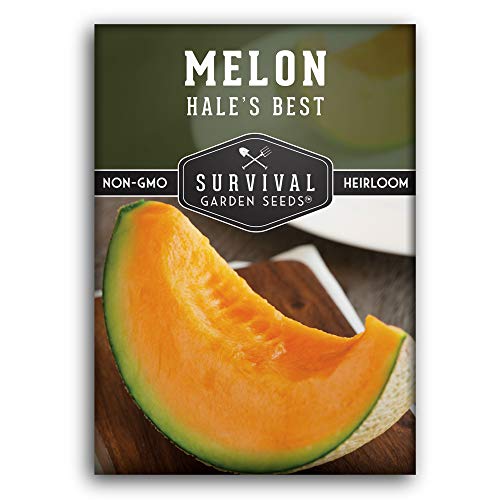
    Cantaloupe Seeds for Planting – Hale’s Best Heirloom Melon with Sweet Juicy Orange Flesh, Early Yields & Drought Tolerance – Non-GMO Muskmelon Variety – Survival Garden Seeds (1 Pack)
    Cantaloupe Seeds for Planting – Hale’s Best Heirloom Melon with Sweet Juicy Orange Flesh, Early Yields & Drought Tolerance – Non-GMO Muskmelon Variety – Survival Garden Seeds (1 Pack)

    HEIRLOOM CANTALOUPE SEEDS – Enjoy classic homegrown flavor with sweet, juicy orange flesh and a small seed cavity for plenty of delicious fruit in every harvest from this beloved heirloom cantaloupe

    VIEW LATEST PRICE

    As an affiliate, we earn on qualifying purchases.

    Heart Health and Blood Sugar Control

    Eating cantaloupe seeds can contribute to heart health and help manage blood sugar levels. These seeds are rich in magnesium, a mineral essential for heart function and maintaining normal blood pressure. Additionally, the fiber content in cantaloupe seeds aids in regulating blood sugar by slowing down the absorption of glucose.

    Digestive Health Benefits

    Including cantaloupe seeds in your diet can promote digestive health due to their high fiber content. Fiber helps prevent constipation, supports a healthy gut microbiome, and contributes to overall digestive regularity. By consuming cantaloupe seeds, you’re giving your digestive system the support it needs to function optimally.

    How to Incorporate Cantaloupe Seeds into Your Diet

    Recommended Products
    Pin This Now to Remember It Later
    Pin This
    Back to The Roots 100% Organic Seed Packet - Cantaloupe 'Hale's Best Jumbo Melon' 1.2g
    Back to The Roots 100% Organic Seed Packet - Cantaloupe 'Hale's Best Jumbo Melon' 1.2g

    100% Organic, Non-GMO, and Heirloom Seeds from our farms to your garden!

    MUST READ
    Growing Cantaloupe: From Seed to Harvest in Optimal Timeframes
    VIEW LATEST PRICE

    As an affiliate, we earn on qualifying purchases.

    Cantaloupe Powder (1 oz, ZIN: 519487)
    Cantaloupe Powder (1 oz, ZIN: 519487)

    Cantaloupe Powder (1 oz, ZIN: 519487)

    VIEW LATEST PRICE

    As an affiliate, we earn on qualifying purchases.

    50 Hales Best Jumbo Cantaloupe Seeds for Planting Non GMO Heirloom Seeds Fresh Fruit Garden Seed
    50 Hales Best Jumbo Cantaloupe Seeds for Planting Non GMO Heirloom Seeds Fresh Fruit Garden Seed

    Name: Hales Best Jumbo Melon | Type: Heirloom

    VIEW LATEST PRICE

    As an affiliate, we earn on qualifying purchases.

    Roasting and Seasoning Techniques

    Enhance the flavor and texture of cantaloupe seeds by roasting them. Simply spread the seeds on a baking sheet, drizzle with a bit of olive oil, sprinkle some sea salt or your favorite seasoning, and roast in the oven at 350°F (177°C) for about 10-15 minutes until they turn golden brown. These crunchy roasted seeds make a delicious snack on their own or can be added to salads for an extra crunch.

    1. Seed Butter: Blend roasted cantaloupe seeds with a touch of honey and a splash of water until smooth to create a nutritious seed butter. Spread it on toast or use it as a dip for fruits.
    2. Seed Granola: Mix roasted cantaloupe seeds with oats, nuts, dried fruits, and a bit of honey or maple syrup. Bake until golden brown for homemade granola packed with nutrients.
    3. Seed Pesto: Combine roasted cantaloupe seeds with fresh basil, garlic, Parmesan cheese, olive oil, and lemon juice in a food processor to make a unique seed pesto sauce perfect for pasta dishes.
    4. Seed Topping: Sprinkle roasted cantaloupe seeds over yogurt bowls, oatmeal, or even soups to add both flavor and nutrition.
    MUST READ
    Roasting Cantaloupe Seeds: A Nutritious Snack Creation Guide

    Potential Risks and Considerations

    When it comes to incorporating cantaloupe seeds into your diet, there are a few potential risks and considerations to keep in mind. Here’s what you should know:

    Allergies and Digestive Concerns

    If you have a seed allergy or sensitivity, it’s essential to be cautious when consuming cantaloupe seeds. Some individuals may experience allergic reactions or digestive issues after eating seeds. If you’re unsure about how your body will react, start with a small amount of seeds and monitor for any adverse effects.

    Recommended Daily Intake

    While cantaloupe seeds offer various health benefits, moderation is key. There isn’t a specific recommended daily intake for cantaloupe seeds; however, like any food, they should be consumed as part of a balanced diet. Incorporate them in reasonable amounts to avoid overconsumption of certain nutrients found in the seeds.

    Remember to listen to your body and consult with a healthcare provider if you have concerns about including cantaloupe seeds in your diet regularly.

    Conclusion

    You’ve learned about the surprising benefits of cantaloupe seeds, from their nutrient-packed profile to their positive impact on heart health and digestion. Remember to enjoy them in moderation and pay attention to any potential allergies or digestive issues. Incorporating cantaloupe seeds into your diet can be a delicious and nutritious addition, providing you with essential vitamins, minerals, fiber, and protein. So go ahead, sprinkle some on your salads or blend them into smoothies for an extra boost of goodness. Embrace the versatility of cantaloupe seeds and savor the benefits they bring to your overall well-being.

    MUST READ
    How to Pick a Good Cantaloupe at the Grocery Store: Tips for Choosing, Storing & Enjoying Freshness

    Frequently Asked Questions

    Q: Are cantaloupe seeds nutritious?

    A: Yes, cantaloupe seeds are packed with essential vitamins, minerals, dietary fiber, and protein that benefit digestion and overall health.

    Q: How do cantaloupe seeds impact health?

    A: Cantaloupe seeds support heart health, aid in blood sugar control, and promote digestive health due to their magnesium content and fiber.

    Q: What risks should I consider when eating cantaloupe seeds?

    A: Potential risks include allergies, digestive issues, so it’s crucial to start with small amounts and consult a healthcare provider if needed.

    Q: How should I incorporate cantaloupe seeds into my diet safely?

    A: To avoid overconsumption of certain nutrients, include cantaloupe seeds as part of a balanced diet while monitoring for any adverse effects.

    Share. Facebook Twitter Pinterest LinkedIn Tumblr Email
    lucy smith
    Lucy Smith
    • Website

    Lucy Smith is a highly experienced horticulturist with a passion for fruit tree cultivation. She holds a degree in Horticulture from the University of California, Davis, and has worked in various roles in the industry. With over 10 years of experience, Lucy is dedicated to using eco-friendly methods for sustainable gardening practices.

    Related Posts

    Growing Cantaloupe in a Pot: Tips for Success in Small Spaces

    July 21, 2024

    How to Grow Sugar Cube Cantaloupe: A Comprehensive Guide for Successful Harvests

    July 21, 2024

    How Many Cantaloupe Seeds per Hole: Planting Tips for a Bountiful Harvest

    July 21, 2024

    What to Do with Cantaloupe Seeds: Creative Ways to Eat, Store, and Use Them

    July 21, 2024

    Can You Eat Cantaloupe Seeds? A Nutritional Guide and Safety Tips

    July 21, 2024

    Companion Planting Watermelon and Cantaloupe: Tips for Successful Intercropping

    July 21, 2024
    Leave A Reply Cancel Reply

    Affiliate Disclosure

    As an Amazon Associate I earn from qualifying purchases.

    Recommended Reading

    Can Papaya Trees Grow in South Dakota? Cold-Climate Tips

    Best Time to Prune Nectarine Trees in Australia for Healthy Growth

    How Long Does an Apple Tree Take to Grow Fruit and What You Need for Successful Harvesting

    How to Stop a Pear Tree from Bearing Fruit: Effective Techniques for Gardeners

    What Type of Soil Do Grapes Like? Cultivating Healthy Grapevines with the Right Soil Conditions

    How to Protect Fruit Trees in Winter with Effective Strategies for Healthier Growth

    What is the Orange Fruit That Grows on Palm Trees and How It Benefits Tropical Ecosystems

    How to Make a Pear Tree Bear Fruit: Essential Tips for a Thriving Harvest

    Ultimate Guide to Best Fruit Trees for Texas Panhandle Gardening Success

    How Long Will Grapefruit Last on the Tree: Factors, Harvesting Tips, and Storage Techniques

    Fruit Tree Hub

    Fruit Tree Hub is a website dedicated to providing you everything you need to grow fruit trees successfully at in your own yard.

    Contact us at: [email protected]

    - AFFILIATE DISCLOSURE: As an Amazon Associate I earn from qualifying purchases.

    Latest Posts

    How to Grow Lemon Trees in North Carolina: Piedmont Tips

    Pomegranate Trees in Mississippi: Deep South Planting Manual

    Peach Trees in a Pot in Georgia (Peach State Growth Secrets)

    Growing Walnut Trees in a Pot in Minnesota: 2026 Updated Guide

    Growing Pomegranate Trees in Kansas (Wind and Heat Protection)

    Growing Orange Trees in Louisiana: Humidity and Soil Tips

    Grapefruit Trees in Maryland: Mid-Atlantic Planting Tips

    How to Grow Guava Trees in North Carolina: Piedmont Tips

    Categories
    • Almond Trees
    • Apple Trees
    • Apricot Trees
    • Best Fruit Trees
    • Blackberry
    • Cantaloupe
    • Cherry Trees
    • Cucamelon
    • Easy Knitting Projects
    • Fig Trees
    • Grapefruit Trees
    • Grapes
    • Guava Trees
    • Honeydew
    • Jujube Trees
    • Kiwi
    • Knitting For Beginners
    • Knitting Ideas
    • Knitting Inspiration
    • Lemon Trees
    • Lime Trees
    • Loquat Trees
    • Mango Trees
    • Mulberry Trees
    • Nectarine Trees
    • Olive Trees
    • Orange Trees
    • Papaya Trees
    • Peach Trees
    • Pear Trees
    • Persimmon Trees
    • Planting
    • Plum Trees
    • Pomegranate Trees
    • Quince Trees
    • Raspberry
    • Reviews
    • Star Fruit Trees
    • Tamarind Trees
    • Tangerine Trees
    • Tips and Advice
    • Tools
    • Uncategorized
    • Walnut Trees
    © 2026 Fruit Tree Hub
    • Home
    • About Us
    • Contact
    • Privacy Policy
    • Terms and Conditions
    • Disclaimer
    • Editorial Policy
    • Affiliate Disclosure

    Type above and press Enter to search. Press Esc to cancel.