

Growing apricot trees in New Jersey requires specific knowledge about local climate and soil conditions. Proper planting techniques and care will lead to healthy trees and fruitful harvests.
New Jersey Climate Impact on Apricot Growth
New Jersey experiences a humid continental climate, which can be challenging for apricot cultivation. These trees thrive in well-drained soil and require a chilling period for optimal fruit production. Understanding the local climate patterns will help you choose the right variety and planting time.
Best Apricot Varieties for New Jersey Climate
Selecting the right apricot variety is crucial for successful cultivation in New Jersey’s unique climate. With its distinct seasonal changes and varying temperatures, certain apricot types thrive better than others. This section highlights the best apricot varieties suited for the Garden State, ensuring optimal growth and fruit production for local gardeners.
Selecting the right apricot variety is crucial for success. Some varieties are better suited for the Garden State’s climate. Consider the following options:
| Variety Name | Chill Hours Required | Fruit Size | Flavor Profile |
|---|---|---|---|
| Tilton | 700 | Medium | Sweet |
| Moorpark | 500 | Large | Rich |
| Katy | 300 | Small | Tart |
| Goldcot | 600 | Medium | Sweet |
These varieties adapt well to New Jersey’s climate and provide a range of flavors and sizes. Choose based on your taste preferences and the chill hours available in your area.
Soil Requirements for New Jersey Apricot Trees
Understanding the soil requirements for apricot trees is crucial for successful cultivation in New Jersey. The right soil conditions can significantly influence growth, fruit quality, and overall tree health. This section delves into the specific soil types and amendments necessary to create an optimal environment for apricot trees in the Garden State.
Proper soil preparation is essential for healthy apricot trees. The soil should be well-drained and rich in organic matter.
Recommended Products

Quick, at home results for Soil pH, Nitrogen, Phosphorous and Potash Innovative and inexpensive soil test kit features an easy-to-use capsule system and patented color comparators

Kindly NOTE: This soil tester can not be applied to test pH value of any other liquid. If the soil is too dry the indicator will not move, and water it before testing.

KNOW BEFORE YOU GROW | Grow the healthiest, sustainable lawn and garden with the most accurate and easy to use professional soil test kit on the market
Soil pH Testing for Apricot Trees
Understanding soil pH is crucial for successfully growing apricot trees in New Jersey. The right pH level can significantly influence nutrient availability and overall tree health. This section will guide you through the importance of soil testing and how to achieve optimal conditions for your apricot trees.
Test soil pH using a home kit. Aim for a pH between 6.0 and 7.0.
Amend soil with compost or well-rotted manure to improve fertility.
Ensure drainage by mixing sand or perlite if the soil retains too much moisture.
Tillage to a depth of 12-18 inches to aerate the soil.
Following these steps will create an optimal environment for your apricot trees.
Optimal Timing for Apricot Tree Planting
Understanding the best timing for planting apricot trees in New Jersey is crucial for successful growth and fruit production. The local climate and seasonal variations play significant roles in determining when to plant. This section will explore the optimal periods for planting apricot trees to ensure they thrive in the Garden State.
Timing and technique are critical when planting apricot trees. The best time to plant is in early spring after the last frost.
Planting Techniques for Apricot Trees
Successfully planting apricot trees in New Jersey requires an understanding of the local climate and soil conditions. This section explores effective techniques tailored to the Garden State, ensuring optimal growth and fruit production. By following these guidelines, gardeners can cultivate healthy apricot trees that thrive in their unique environment.
Dig a hole twice the width and the same depth as the root ball.
Place the tree in the center of the hole, ensuring the graft union is above soil level.
Backfill with soil and gently tamp down to eliminate air pockets.
Water thoroughly to settle the soil around the roots.
These steps will help establish a strong foundation for your apricot trees.
Apricot Tree Care Techniques for New Jersey
Caring for apricot trees in New Jersey requires an understanding of the local climate and growing conditions. This section will explore essential techniques that ensure healthy growth and fruit production, from soil preparation to pruning and pest management. By following these guidelines, gardeners can cultivate thriving apricot trees that flourish in the Garden State.
Regular care is essential for fruitful apricot trees. This includes watering, fertilizing, and pruning.
Recommended Products

LASTING COLOR: Miracle-Gro Tree & Shrub Plant Food Spikes are fertilizer spikes for trees and shrubs; they promote vibrant color and foliage for trees and shrubs in your yard

Let our professionally formulated plant food help your fruit tree grow healthy, strong AND abundantly producing

Made for Lemon & Citrus Trees – Formulated to support healthy growth in lemon and citrus plants.
Apricot Tree Watering Techniques
Proper watering techniques are crucial for the successful growth of apricot trees in New Jersey’s unique climate. Understanding the specific needs of these trees will help ensure they thrive and produce abundant fruit. This section delves into effective watering strategies tailored to the Garden State’s conditions.
Watering: Deep water every 2-3 weeks during dry spells.
Fertilizing: Use a balanced fertilizer in early spring.
Pruning: Remove dead or crossing branches to improve air circulation.
Implementing these practices will ensure your trees remain healthy and productive.
Pest and Disease Control for Apricot Trees
Managing pests and diseases is crucial for the successful cultivation of apricot trees in New Jersey. This section delves into common threats that can affect tree health and productivity, offering practical strategies for prevention and treatment. Understanding these challenges will help ensure your apricot trees thrive in the Garden State’s unique climate.
Apricot trees are susceptible to various pests and diseases. Identifying and managing these threats is vital for a successful harvest.
Recommended Products

3-IN-1 FLOWER CARE: All-In-One Rose & Flower Plant Care provides insect control, disease control, and plant mite control all in one; Rainproof protection starts in 4 hours and lasts up to 14 days

Control diseases and insects in your garden with Captain Jack’s Fruit Tree Spray Concentrate! Use on a variety of listed fruits, nuts and citrus plants.
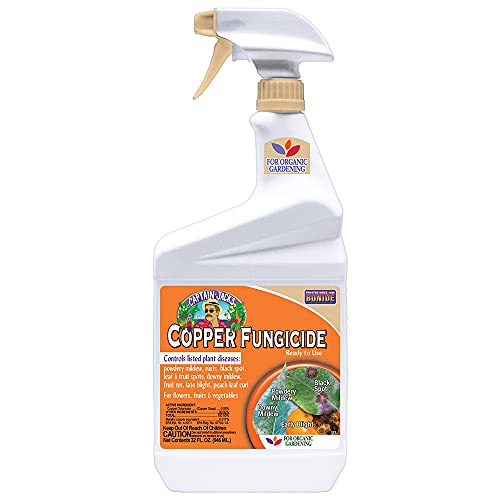
Control fungus and disease in your garden with Captain Jack’s ready-to-use Liquid Copper Fungicide!
Pests and Diseases Affecting Apricot Trees
Apricot trees in New Jersey can face various pests and diseases that threaten their health and productivity. Understanding these challenges is crucial for gardeners aiming to cultivate thriving apricot orchards. This section will explore the common pests and diseases that affect apricot trees, along with effective management strategies to safeguard your plants.
| Pest/Disease | Symptoms | Treatment |
|---|---|---|
| Aphids | Curling leaves | Insecticidal soap |
| Brown rot | Fruit rot | Remove infected fruit |
| Peach leaf curl | Leaf distortion | Apply fungicide in early spring |
Monitoring your trees regularly will help catch issues early, minimizing damage.
Optimal Timing for Apricot Harvest
Understanding the optimal timing for apricot harvest is crucial for gardeners in New Jersey aiming to maximize their yield. This section delves into the specific indicators and seasonal cues that signal when apricots are at their peak ripeness, ensuring a flavorful and successful harvest. By recognizing these signs, you can enjoy the best of your homegrown apricots.
Timing your harvest is key to enjoying the best flavor from your apricots. Harvesting too early or too late can affect taste and texture.
Apricot Harvesting Techniques in New Jersey
Harvesting apricots in New Jersey requires careful timing and technique to ensure optimal fruit quality. Understanding the local climate and the specific growth patterns of apricot trees can significantly enhance the yield. This section will explore effective methods for harvesting apricots, tailored to the unique conditions of the Garden State.
Check color: Look for a uniform golden color.
Gently twist the fruit to see if it separates easily from the tree.
Harvest in the morning for the best flavor and texture.
These steps will help you enjoy the best quality apricots from your trees.
Successful Apricot Cultivation in New Jersey
Cultivating apricot trees in New Jersey presents unique challenges and opportunities due to the region’s climate and soil conditions. Understanding the specific requirements for successful growth can lead to fruitful harvests. This section delves into the essential practices and considerations for thriving apricot cultivation in the Garden State.
Growing apricot trees in New Jersey requires careful planning and attention to detail. By understanding the local climate, selecting the right varieties, and following proper planting and care techniques, you can achieve a fruitful harvest.
