

Managing almond trees in Chicago requires careful consideration of urban cold and wind conditions. Selecting cold-hardy varieties and implementing protective measures can significantly enhance the survival and productivity of these trees in a challenging environment.
Choose Cold-Hardy Almond Varieties
Selecting the right almond variety is crucial for successful growth in Chicago’s climate. Cold-hardy varieties can withstand lower temperatures and are better suited for urban conditions. Research shows that varieties such as ‘Tuono’ and ‘Carmel’ thrive in cooler environments, offering better yields and resilience.
| Variety | Cold Hardiness | Yield Potential | Bloom Time |
|---|---|---|---|
| Tuono | -10°F | High | Early Spring |
| Carmel | -5°F | Medium | Late Spring |
Windbreak Options for Almond Orchards
In urban environments like Chicago, managing the harsh winds is crucial for the successful cultivation of almond trees. Implementing effective windbreak options can significantly enhance tree health and yield. This section explores various strategies to protect almond orchards from damaging gusts, ensuring a more resilient and productive growing environment.
Wind can severely damage almond trees, especially during their early growth stages. Implementing windbreaks can shield trees from harsh gusts. Planting shrubs or installing fences around orchards can reduce wind speed and protect delicate branches.
Windbreak Strategies for Urban Almond Trees
In urban environments like Chicago, almond trees face unique challenges from cold temperatures and strong winds. Implementing effective windbreak strategies is essential for their survival and productivity. This section explores various techniques to shield these trees from harsh conditions, ensuring they thrive in the city’s climate.
Natural barriers such as hedges or taller trees can effectively reduce wind impact. These barriers should be strategically placed to maximize protection without blocking sunlight. Regular maintenance ensures that these barriers remain effective.
Fabric Windbreaks for Urban Almond Trees
In urban environments like Chicago, almond trees face unique challenges from cold temperatures and strong winds. Implementing fabric windbreaks can significantly enhance their survival and growth. This section explores the effectiveness of various fabric materials in protecting almond trees from harsh weather conditions while promoting healthy development in a city setting.
In addition to natural barriers, fabric windbreaks can offer immediate protection. These lightweight materials can be installed around young trees to shield them from wind. Ensure that the fabric allows air to pass through to prevent damage during storms.
Urban Soil Quality for Almond Trees
Urban soil quality plays a crucial role in the successful growth of almond trees in Chicago’s unique climate. Factors such as soil composition, drainage, and nutrient availability must be carefully considered to ensure these trees thrive amidst cold temperatures and strong winds. Understanding these elements will help urban gardeners create optimal conditions for almond cultivation in this challenging environment.
Soil quality plays a vital role in the health of almond trees. Urban soils may lack essential nutrients or have poor drainage. Conducting a soil test can identify deficiencies and inform necessary amendments.
| Soil Component | Recommended Level | Importance |
|---|---|---|
| Nitrogen | 20-30 ppm | Promotes growth |
| Phosphorus | 10-15 ppm | Supports root development |
| pH Level | 6.0-7.0 | Optimal for nutrient uptake |
Soil Amendments for Almond Tree Health
To ensure almond trees thrive in the unique climate of Chicago, it’s essential to focus on soil health. The right soil amendments can significantly enhance nutrient availability, improve drainage, and support root development. This section explores effective strategies for amending soil to promote the vitality of almond trees in urban settings.
Adding organic matter such as compost can improve soil structure and nutrient availability. Regularly testing and amending soil ensures that almond trees receive the necessary nutrients for optimal growth.
Optimizing Soil Drainage for Almond Trees
Effective soil drainage is crucial for the health of almond trees, especially in urban environments like Chicago, where cold and wind can exacerbate moisture issues. Proper drainage not only prevents root rot but also supports optimal growth conditions. This section will explore strategies to enhance soil drainage specifically tailored for almond cultivation in challenging urban climates.
Almond trees prefer well-drained soil to prevent root rot. If drainage is an issue, consider installing drainage tiles or raised beds to enhance water flow. This adjustment can significantly improve tree health and productivity.
Frost Protection Strategies for Almond Trees
In the challenging climate of Chicago, almond trees face unique threats from frost and wind. Implementing effective frost protection strategies is crucial for ensuring their survival and productivity. This section explores various methods to safeguard these trees against the harsh urban conditions they encounter.
Temperature fluctuations can pose a threat to almond trees, particularly during flowering. Monitoring local weather forecasts helps anticipate frost events. Implementing protective measures can mitigate damage to blossoms.
Recommended Products
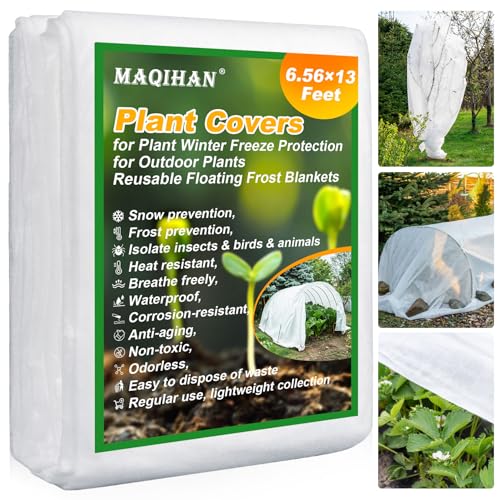
Product Features: Our plant covers are ideal for protecting all plant. Made from premium 1 oz/sq non-woven fabric, their durability and breathability ensuring both insulation against frost and facilitation of sunlight penetration for healthy plant growth

The Large plant cover is perfect for Plant size 55''-70"high and 84''-94" round, Heavy-weight FRCs (1.77oz./sq. yard): usually used to extend the growing season in spring and fall, allow 40%-60% light transmittance, and recommend 3°-8°F of freeze protection

Revolutionary Anti-freeze Protection: Plant covers freeze protection is made of 100% Reliable non-woven thickened polypropylene fabric Because the frost cloth fabric Thickness is 3.2 oz/yd² thicker and warmer, tear resistant than less expensive 1.3 oz/yd² fabric. Provides up to 2° F(-17℃) frost protection. In winter, frost blankets for outdoor plants can form a insulation layer for plants to isolate cold air and retain the oxygen required for plant respiration
Use Frost Protection Techniques
In urban environments like Chicago, almond trees face unique challenges from cold temperatures and harsh winds. Implementing effective frost protection techniques is essential for ensuring their survival and productivity. This section explores various strategies to shield these delicate trees from frost damage, helping gardeners maintain healthy almond crops in a challenging climate.
Frost protection techniques include covering trees with blankets or using frost cloths during cold nights. Installing heaters or wind machines can also provide warmth in critical areas. These strategies help safeguard blossoms from frost damage.
Pruning and Planting Schedules for Almond Trees
Understanding the optimal pruning and planting schedules for almond trees is crucial for successful cultivation in Chicago’s unique climate. The city’s cold temperatures and strong winds present specific challenges that can impact growth and yield. This section outlines the best practices to ensure your almond trees thrive despite these urban conditions.
Timing is essential for minimizing frost risk. Pruning should occur in late winter to avoid early bud break. Planting should also align with local frost dates to ensure that trees are established before the cold sets in.
Maintain Regular Care and Maintenance
To ensure the health and productivity of almond trees in Chicago’s challenging climate, regular care and maintenance are essential. This section outlines key practices that help mitigate the effects of urban cold and wind, allowing these trees to thrive despite the city’s unique environmental conditions. Proper attention to their needs can lead to successful growth and nut production.
Regular care is vital for the health of almond trees. This includes proper watering, fertilization, and pest management. Establishing a routine can help ensure trees remain healthy and productive.
| Maintenance Task | Frequency | Purpose |
|---|---|---|
| Watering | Weekly | Supports growth |
| Fertilization | Biannually | Provides nutrients |
| Pest Inspection | Monthly | Prevents infestations |
Watering Guidelines for Urban Almond Trees
Proper watering is crucial for the health of almond trees in Chicago’s unique urban environment, where cold temperatures and strong winds can stress the trees. Understanding the specific moisture needs of these trees will help ensure their growth and productivity, allowing them to thrive despite the challenges posed by city living. The following guidelines will provide essential insights into effective watering practices.
Consistent watering is critical, especially during dry spells. Use mulch to retain moisture and reduce evaporation. Adjust the schedule based on rainfall and temperature conditions.
Pest and Disease Inspection Strategies
In urban environments like Chicago, almond trees face unique challenges from pests and diseases exacerbated by cold temperatures and wind. Effective inspection strategies are crucial for early detection and management, ensuring the health of these trees in a challenging climate. Understanding the specific threats and implementing targeted inspection methods can significantly enhance their resilience.
Regular inspections for pests and diseases can prevent larger infestations. Implementing integrated pest management strategies can help maintain tree health. Early detection is key to effective treatment.
Cold-Hardy Almond Cultivation Strategies
Cultivating almond trees in Chicago presents unique challenges due to the city’s cold winters and windy conditions. Understanding cold-hardy almond varieties and effective management strategies can significantly enhance the chances of successful growth. This section delves into practical approaches for navigating these urban climate hurdles while maximizing almond production.
For successful almond tree cultivation in Chicago, focus on selecting cold-hardy varieties and implementing protective measures against wind and cold. Regular monitoring and maintenance are essential for long-term success.
