

Planting loquat trees at the right time is crucial for their growth and health. But figuring out when to plant them isn't as simple as it seems. There are many factors to consider, and understanding the best times to plant loquat trees can help ensure they thrive in your garden.
Let's explore the key factors to consider when deciding on the ideal time to plant these trees for a successful and healthy addition to your garden.
Key Takeaways
- Late winter or early spring is the ideal time to plant loquat trees, after the threat of frost has passed.
- Loquat trees thrive in slightly acidic to neutral pH soil and require well-draining soil.
- Provide loquat trees with at least 6-8 hours of sunlight daily and protect them from strong winds.
- Regular watering is necessary, especially during the first year, and consider the specific climate and microclimates within the region.
Ideal Season for Planting Loquat Trees
The ideal season for planting loquat trees is typically in the late winter or early spring, when the threat of frost has passed and the soil is workable.
Before planting, it's crucial to prepare the soil properly. Loquat trees thrive in well-draining soil with a slightly acidic to neutral pH. Ensure the soil is loose and amended with organic matter to improve its fertility and structure.
When planting, dig a hole twice as wide and just as deep as the tree's root ball.
After planting, tree maintenance is essential for healthy growth. Regular watering, especially during dry periods, and mulching to conserve moisture are crucial.
Additionally, periodic fertilization and pruning to shape the tree and remove dead or damaged branches will promote a strong and fruitful loquat tree.
Weather Conditions for Planting Loquat Trees
After ensuring that the soil is well-prepared for planting loquat trees, you'll want to consider the weather conditions to provide the best start for your new tree. The right weather conditions can significantly impact the successful growth of your loquat tree.
Here are some important weather conditions to consider:
- Sun Exposure: Loquat trees thrive in full sun, so ensure the planting area receives at least 6-8 hours of sunlight daily.
- Temperature: Plant your loquat tree during a period of moderate temperatures, avoiding extreme heat or cold.
- Rainfall: Consider the average rainfall in your area. Loquat trees require regular watering, especially during the first year, to establish a strong root system.
- Wind: Protect your young loquat tree from strong winds that can damage its tender branches.
- Humidity: Loquat trees prefer moderate humidity, so avoid planting during periods of low humidity.
Consider these factors to ensure optimal weather conditions for planting your loquat tree.
Recommended Products

Produces sweet, golden loquat fruits when mature, ideal for home gardens or patios. No ship to CA

Optimal Time of Day for Planting Loquat Trees
Considering the best start for your new loquat tree, it's essential to determine the optimal time of day for planting.
The ideal time to plant loquat trees is in the late afternoon or early evening. This timing allows the tree to acclimate to its new environment without being stressed by the intense midday sun.
Before planting, ensure the soil is well-prepared by loosening it to a depth of at least 12 inches and incorporating organic matter to improve drainage and fertility.
When planting, make sure the soil is evenly moist but not waterlogged. After planting, employ proper watering techniques by providing enough water to settle the soil around the roots.
Then, water the tree deeply and consistently, especially during the first year after planting, to encourage healthy root development.
These strategies will help your loquat tree thrive in its new home.
Considerations for Planting Loquat Trees in Different Climates
When planting loquat trees in different climates, it's crucial to adapt your approach to suit the specific environmental conditions, ensuring the tree's successful establishment and growth. Consider the following factors:
- Soil Type: Loquat trees thrive in well-drained soil with a slightly acidic to neutral pH. Before planting, assess the soil drainage and composition in your area to determine if any amendments are necessary.
- Sun Exposure: Loquat trees prefer full sun but can tolerate some shade. Understanding the sunlight patterns in your specific climate will help you determine the best location for planting.
- Temperature Range: Loquat trees are sensitive to frost, so in cooler climates, it's important to plant them in a sheltered location to protect them from extreme cold.
- Humidity Levels: Loquats prefer moderate to high humidity, so in drier climates, additional watering and mulching may be necessary to maintain optimal moisture levels.
- Microclimates: Consider microclimates within your region, as they can have varying temperature and moisture levels, impacting the tree's growth.
Recommended Products
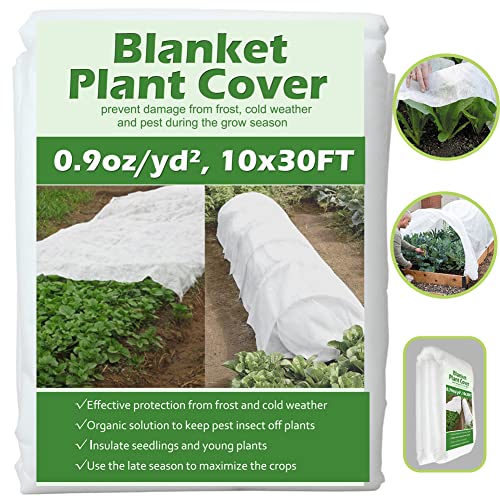
※Big Size to cover large area : The size of our plant cover is 10x30ft, the size can cover large areas. You can cut the plant covers freeze protection into different sizes for different use. You can cover it over the plant such as shrub tomato, pepper, pumpkin, and so on.
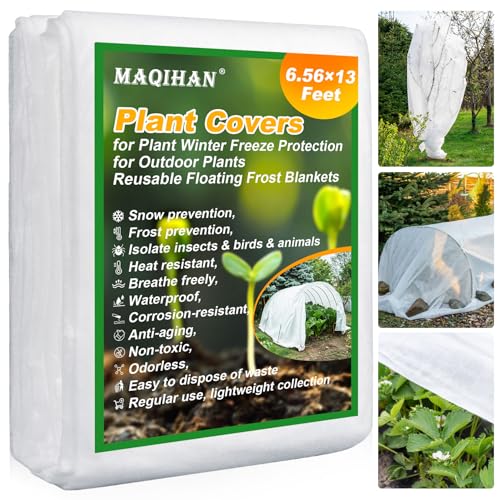
Product Features: Our plant covers are ideal for protecting all plant. Made from premium 1 oz/sq non-woven fabric, their durability and breathability ensuring both insulation against frost and facilitation of sunlight penetration for healthy plant growth

10 x 30-foot frost protection plant cover for defending plants from light frost, light snow, and mild cold conditions
Best Practices for Planting Loquat Trees
To ensure successful growth, follow these best practices when planting loquat trees in your garden or orchard.
Start by preparing the soil properly. Loquat trees thrive in well-draining, slightly acidic soil. Add organic matter like compost to improve soil structure and fertility.
Before planting, ensure the area receives adequate sunlight and has good air circulation.
When it comes to tree spacing, allow at least 25 feet between trees to provide ample room for growth. Proper spacing ensures that each tree receives enough sunlight and nutrients. Loquat trees also benefit from being planted away from structures or other trees that may obstruct their growth.
Recommended Products

STARTING A TROPICAL GARDEN- Comprised of real horticultural grade ingredients such as shredded coir husk, pine bark, perlite, sand, and garden lime; no pelletized fertilizer

Hand Blended Money Tree Soil- Hand blended soil perfect for growing money tree plants, Great for repotting or planting money trees.

Improves soil health, lawn health, plant health, and reduce the use of fertilizers
Conclusion
Choose the best time for planting your loquat tree based on your local climate and weather conditions.
By following best practices and providing proper care, you'll soon enjoy the delightful fruit and lush foliage of your own loquat tree.
Happy planting!
