
Close Menu
    Fruit Tree Hub
    • Home
    • Apple Trees
    • Lemon Trees
    • Mango Trees
    • Orange Trees
    • More Trees
      • Best Fruit Trees
      • Apricot Trees
      • Cherry Trees
      • Fig Trees
      • Lime Trees
      • Mulberry Trees
      • Peach Trees
      • Pear Trees
      • Plum Trees
      • Pomegranate Trees
    • Tips and Advice
      • Tools
    • About Us
      • Contact
      • Privacy Policy
    Fruit Tree Hub
    Home»Fruit Trees»Persimmon Trees»Can Persimmon Trees Be Grown Indoors
    Persimmon Trees

    Can Persimmon Trees Be Grown Indoors

    Lucy SmithBy Lucy SmithFebruary 5, 20245 Mins Read
    Share Facebook Twitter Pinterest WhatsApp Email
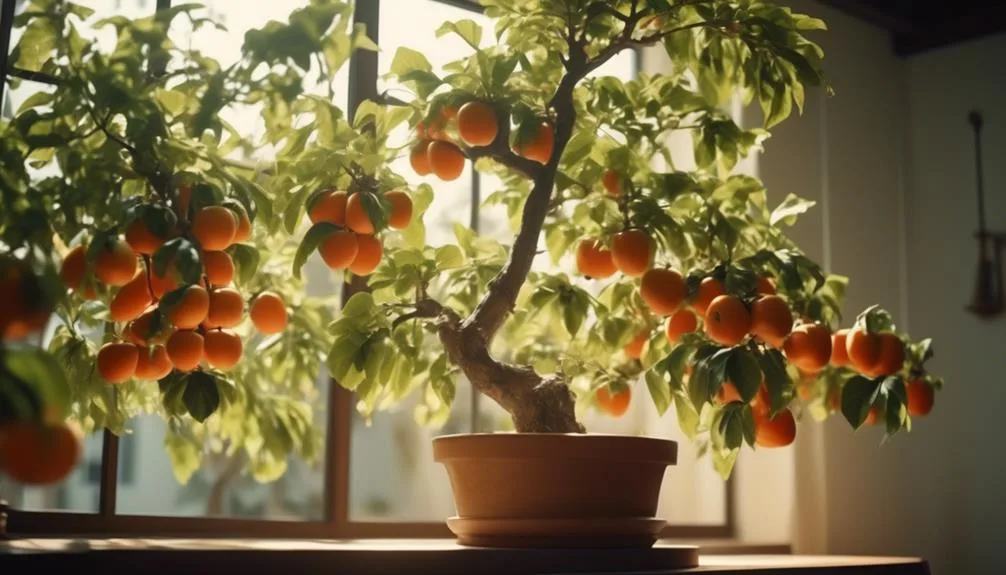
    growing persimmon trees indoors
    Share
    Facebook Twitter LinkedIn Pinterest Telegram Email

    Growing persimmon trees indoors may seem like a challenge, but it's actually possible with the right care.

    Contents show
    1 Key Takeaways
    2 Suitable Persimmon Tree Varieties for Indoor Growth
    3 Indoor Growing Conditions for Persimmon Trees
    4 Container Selection and Placement for Indoor Persimmon Trees
    5 Caring for Indoor Persimmon Trees: Watering, Fertilizing, and Pruning
    6 Potential Challenges and Solutions for Growing Persimmon Trees Indoors
    7 Conclusion

    Having your own fruit-bearing tree inside your home is intriguing, but it comes with its own set of obstacles.

    Let's explore the factors involved in cultivating these trees indoors and how you can potentially overcome the challenges.

    Key Takeaways

    • Suitable persimmon tree varieties can be grown indoors with proper care and attention to lighting, temperature, and humidity requirements.
    • Indoor persimmon trees should be placed near a south-facing window to receive 6-8 hours of direct sunlight daily, supplemented with grow lights if necessary.
    • Watering should be done when the top inch of soil feels dry, avoiding both overwatering and letting the soil dry out completely. Balanced fertilizer should be used during the growing season.
    • Regular inspection of the tree for pests, diseases, and dead or diseased branches is necessary. Organic pesticides or insecticidal soap can be used to treat infestations, and pruning is important for maintaining tree health and structure.

    Suitable Persimmon Tree Varieties for Indoor Growth

    When selecting suitable persimmon tree varieties for indoor growth, consider the space available and the desired fruit characteristics to ensure a successful and rewarding experience.

    For the best lighting, choose a spot near a south-facing window to provide ample sunlight, or use grow lights to supplement natural light.

    MUST READ
    Is Persimmon Wood Good for Crafting

    Persimmon trees thrive in well-draining soil with a slightly acidic to neutral pH, so ensure the soil requirements are met by using a high-quality potting mix specifically designed for fruit trees.

    Additionally, consider the size of the mature tree when selecting a container, as persimmon trees have extensive root systems and may require repotting as they grow.

    Indoor Growing Conditions for Persimmon Trees

    To create optimal indoor growing conditions for your persimmon trees, it's essential to consider the space available, lighting requirements, and soil quality based on the desired fruit characteristics.

    1. Light Requirements: Ensure your persimmon tree receives at least 6-8 hours of direct sunlight per day. Supplemental grow lights can be used during the winter months if natural light is insufficient.
    2. Temperature Control: Maintain a consistent temperature of 60-70°F during the day and slightly cooler at night to mimic the tree's natural outdoor environment.
    3. Soil Composition: Use well-draining, loamy soil with a slightly acidic pH level of 6.0-6.5. Consider adding organic matter to improve soil structure and fertility.
    4. Humidity Levels: Aim for moderate humidity levels, around 50-60%. Consider using a humidifier if the air indoors is too dry.

    Container Selection and Placement for Indoor Persimmon Trees

    For optimal growth and health of your indoor persimmon tree, careful consideration of container selection and strategic placement is crucial. When selecting containers, opt for ones that are at least 24 inches in diameter and have drainage holes to prevent waterlogging. A 2:1:1 mix of potting soil, peat moss, and pine bark will provide excellent drainage and aeration for the roots. Place the container in a south-facing window to ensure your persimmon tree receives the 6-8 hours of sunlight it requires daily. If a south-facing window is not available, consider using grow lights to supplement natural light. Indoor temperatures of 60-70°F are ideal for persimmon trees, so avoid placing them near drafts or heating vents. Ensuring proper container selection and optimal placement will set the stage for a thriving indoor persimmon tree.

    MUST READ
    Why Do Persimmon Trees Lose Leaves in Autumn
    ConsiderationsDetails
    Selecting containersAt least 24" in diameter, with drainage holes
    Optimal placementSouth-facing window for 6-8 hours of sunlight daily
    Light requirementsSupplement with grow lights if needed
    TemperatureMaintain indoor temperatures of 60-70°F

    Recommended Products

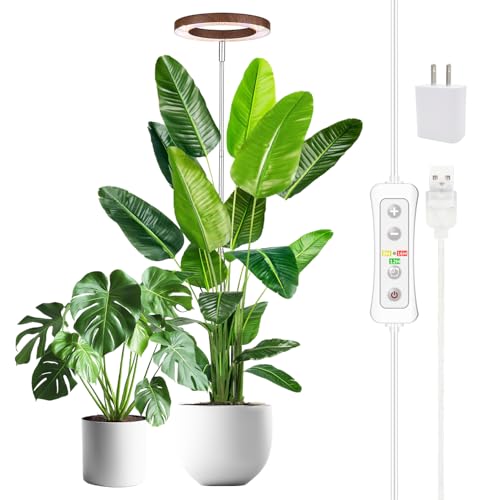
    Plant Grow Light,yadoker LED Growing Light Full Spectrum for Indoor Plants,Height Adjustable, Automatic Timer, 5V Low Safe Voltage,Idea for Large Plant Light
    Plant Grow Light,yadoker LED Growing Light Full Spectrum for Indoor Plants,Height Adjustable, Automatic Timer, 5V Low Safe Voltage,Idea for Large Plant Light

    72 LED Grow Light Full Spectrum - Compact grow light with high quality super bright LEDs, offer full spectrum 380nm-800nm, including white5000K/36 LEDS,warm white 3000K/28 LEDS,red/6 LEDS,blue2 LEDS to effectively promote indoor plant growth any time of year, beneficial to entire growth period.
    VIEW LATEST PRICE

    As an affiliate, we earn on qualifying purchases.

    yadoker Plant Grow Light, LED Growing Light Full Spectrum for Indoor Plants,Aluminum Walnut Wood Grain Plant Lights,Height Adjustable, Automatic Timer, 5V Low Safe Voltage,Idea for Large
    yadoker Plant Grow Light, LED Growing Light Full Spectrum for Indoor Plants,Aluminum Walnut Wood Grain Plant Lights,Height Adjustable, Automatic Timer, 5V Low Safe Voltage,Idea for Large

    Designed for Large & Tall Indoor Plants:Designed specifically for large indoor plants and tall plants that need stronger and wider light coverage. Helps big plants thrive even in low-light areas like living rooms, corners, or offices.Provides full spectrum light (380nm–800nm) to support every stage of plant growth. A perfect sunlight replacement for indoor plants.

    VIEW LATEST PRICE

    As an affiliate, we earn on qualifying purchases.

    yadoker Plant Grow Light, LED Growing Light Full Spectrum for Indoor Plants,Height Adjustable, Automatic Timer, 5V Low Safe Voltage,Idea for Large Plant Light
    yadoker Plant Grow Light, LED Growing Light Full Spectrum for Indoor Plants,Height Adjustable, Automatic Timer, 5V Low Safe Voltage,Idea for Large Plant Light

    72 LED Grow Light Full Spectrum - Compact grow light with high quality super bright LEDs, offer full spectrum 380nm-800nm, including white5000K/36 LEDS,warm white 3000K/28 LEDS,red/6 LEDS,blue/2 LEDS to effectively promote indoor plant growth any time of year, beneficial to entire growth period.

    MUST READ
    How to Identify Different Persimmon Tree Varieties
    VIEW LATEST PRICE

    As an affiliate, we earn on qualifying purchases.

    Caring for Indoor Persimmon Trees: Watering, Fertilizing, and Pruning

    Wondering how to best care for your indoor persimmon tree when it comes to watering, fertilizing, and pruning? Here are some essential tips to help your persimmon tree thrive indoors:

    1. Watering Frequency: Check the soil moisture regularly and water when the top inch of the soil feels dry. Persimmon trees prefer slightly moist soil, so avoid overwatering or letting the soil dry out completely.
    2. Fertilizing: During the growing season, use a balanced fertilizer to nourish your persimmon tree. Follow the instructions on the fertilizer package for the correct application and frequency.
    3. Pruning Techniques: Regularly inspect your persimmon tree for dead or diseased branches, and prune them to maintain overall tree health. Additionally, consider shaping the tree by pruning to encourage a strong and well-balanced branch structure.

    Recommended Products
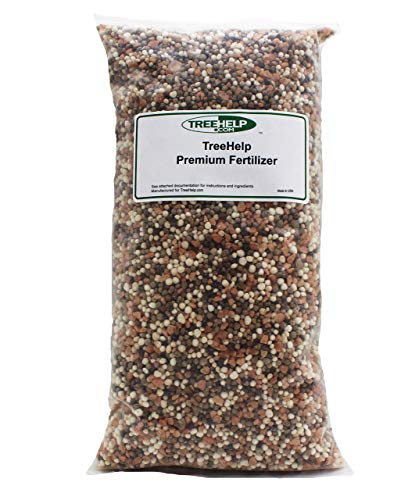
    TreeHelp Premium Fertilizer for Persimmon
    TreeHelp Premium Fertilizer for Persimmon

    Not Available for Sell in WA, USA

    VIEW LATEST PRICE

    As an affiliate, we earn on qualifying purchases.

    Lemon Tree Fertilizer – Liquid Plant Food for Healthy Growth & Blooms, 8 oz
    Lemon Tree Fertilizer – Liquid Plant Food for Healthy Growth & Blooms, 8 oz

    Made for Lemon & Citrus Trees – Formulated to support healthy growth in lemon and citrus plants.

    VIEW LATEST PRICE

    As an affiliate, we earn on qualifying purchases.

    Palm Tree Fertilizer, Liquid Plant Food for Rich Green Fronds, 8 oz
    Palm Tree Fertilizer, Liquid Plant Food for Rich Green Fronds, 8 oz

    Made for Palm Trees – Specially formulated palm fertilizer designed for a wide range of palm varieties including majesty palms.

    VIEW LATEST PRICE

    As an affiliate, we earn on qualifying purchases.

    MUST READ
    How to Properly Water Persimmon Trees

    Potential Challenges and Solutions for Growing Persimmon Trees Indoors

    After ensuring that your indoor persimmon tree is well cared for with proper watering, fertilizing, and pruning, it's important to be aware of potential challenges and their solutions in order to maintain the tree's health and vitality.

    One challenge when growing persimmon trees indoors is the susceptibility to pests and diseases such as spider mites, aphids, and leaf spot. To combat these issues, regularly inspect the tree for any signs of infestation and promptly treat with organic pesticides or insecticidal soap. Additionally, ensure proper air circulation and avoid overwatering to prevent disease development.

    Another challenge is providing adequate lighting, especially during winter months. To overcome this, consider using artificial lighting such as grow lights to supplement natural light and ensure the tree receives at least 12-14 hours of light daily.

    Conclusion

    In nurturing a suitable variety of persimmon trees indoors and providing the right conditions, along with attentive watering, fertilizing, and pruning, you can savor the sweet fruit of your labor.

    Remember to address challenges promptly for a fruitful indoor garden.

    Happy growing!

    Share. Facebook Twitter Pinterest LinkedIn Tumblr Email
    lucy smith
    Lucy Smith
    • Website

    Lucy Smith is a highly experienced horticulturist with a passion for fruit tree cultivation. She holds a degree in Horticulture from the University of California, Davis, and has worked in various roles in the industry. With over 10 years of experience, Lucy is dedicated to using eco-friendly methods for sustainable gardening practices.

    Related Posts

    Why Do Persimmon Trees Have Distinctive Bark

    February 12, 2024

    Can Persimmon Trees Adapt to Climate Change

    February 12, 2024

    Creating a Wildlife Habitat With Persimmon Trees

    February 12, 2024

    Where Are Persimmon Trees Considered Invasive

    February 12, 2024

    Is Persimmon Tree Pollen Allergenic

    February 11, 2024

    Can Persimmon Trees Be Used in Herbal Teas

    February 11, 2024
    Leave A Reply Cancel Reply

    Affiliate Disclosure

    As an Amazon Associate I earn from qualifying purchases.

    Recommended Reading

    When to Spray Lime Sulfur on Star Fruit Trees? Expert Advice

    When Do Walnut Trees Fruit: A Comprehensive Guide to Successful Harvesting

    How to Use Bypass Lopper Safely for Efficient Garden Maintenance

    Do You Need 2 Bing Cherry Trees to Get Fruit: Important Facts Every Gardener Should Know

    How to prune an overgrown apricot tree?

    When Are Grapes Planted? Best Regions, Soil Prep, and Planting Tips

    How to Protect Small Fruit Trees from Deer: Effective Strategies for a Successful Harvest

    Tamarind Trees in Wisconsin (Successful Midwestern Growth)

    How Big Does a Kiwi Tree Get: Expert Tips for Managing Size & Growth

    Top Fruit Trees for Fort Worth, TX (Surviving the North Texas Heat)

    Fruit Tree Hub

    Fruit Tree Hub is a website dedicated to providing you everything you need to grow fruit trees successfully at in your own yard.

    Contact us at: [email protected]

    - AFFILIATE DISCLOSURE: As an Amazon Associate I earn from qualifying purchases.

    Latest Posts

    21 Colorful Halloween Crochet Motifs Featuring Pumpkins Bats and Black Cats

    23 Smart Halloween Crochet Ideas to Sell as Keychains and Coasters

    22 Fun Halloween Crochet Ideas Built Around Treat Bags and Hats

    23 Adorable Halloween Amigurumi Ideas Featuring Ghosts and Black Cats

    22 Compact Halloween Crochet Decorations for Shelves and Small Spaces

    19 Practical Halloween Crochet Decorations Designed for Tabletop Displays

    24 Cozy Halloween Crochet Decor Ideas Built Around Mantel Garlands

    19 Playful Kawaii Halloween Crochet Ideas Featuring Smiling Spooky Characters

    Categories
    • Almond Trees
    • Apple Trees
    • Apricot Trees
    • Best Fruit Trees
    • Blackberry
    • Cantaloupe
    • Cherry Trees
    • Crochet Ideas
    • Crochet Ideas for Beginners
    • Cucamelon
    • Easy Crochet Ideas
    • Easy Knitting Projects
    • Fall Crochet Ideas
    • Fig Trees
    • Grapefruit Trees
    • Grapes
    • Guava Trees
    • Halloween Crochet Ideas
    • Honeydew
    • Jujube Trees
    • Kiwi
    • Knitting For Beginners
    • Knitting Ideas
    • Knitting Inspiration
    • Lemon Trees
    • Lime Trees
    • Loquat Trees
    • Mango Trees
    • Mulberry Trees
    • Nectarine Trees
    • Olive Trees
    • Orange Trees
    • Papaya Trees
    • Peach Trees
    • Pear Trees
    • Persimmon Trees
    • Planting
    • Plum Trees
    • Pomegranate Trees
    • Quince Trees
    • Raspberry
    • Reviews
    • Small Crochet Ideas
    • Star Fruit Trees
    • Summer Crochet Ideas
    • Tamarind Trees
    • Tangerine Trees
    • Tips and Advice
    • Tools
    • Uncategorized
    • Walnut Trees
    © 2026 Fruit Tree Hub
    • Home
    • About Us
    • Contact
    • Privacy Policy
    • Terms and Conditions
    • Disclaimer
    • Editorial Policy
    • Affiliate Disclosure

    Type above and press Enter to search. Press Esc to cancel.