

Cherry trees thrive in Boston, MA with proper care and attention to local conditions. Selecting the right varieties and implementing effective cultivation techniques are essential for success in this coastal New England climate.
Best Cherry Tree Varieties for Boston
When selecting cherry trees for Boston’s unique coastal New England climate, it’s essential to choose varieties that thrive in the region’s conditions. This section highlights the best cherry tree options that not only flourish but also add beauty to the landscape, ensuring a successful and vibrant addition to your garden.
Choosing the appropriate cherry tree varieties is crucial for successful growth in Boston’s climate. The area experiences cold winters and warm summers, which can affect flowering and fruiting. Recommended varieties include:
Yoshino Cherry: Known for its beautiful blossoms, this variety adapts well to urban environments.
Kwanzan Cherry: Offers stunning double flowers and is resistant to diseases.
Montmorency Cherry: A tart variety perfect for pies and preserves, it thrives in colder climates.
| Variety | Bloom Time | Fruit Type | Disease Resistance |
|---|---|---|---|
| Yoshino Cherry | Early Spring | Ornamental | Moderate |
| Kwanzan Cherry | Mid Spring | Ornamental | High |
| Montmorency Cherry | Late Spring | Tart | Moderate |
Recommended Products


WHAT YOU WILL RECEIVE: 2 Cherry blossom tree live plant approximately 6 - 10 inches tall, prepared for transplanting into garden soil or outdoor containers
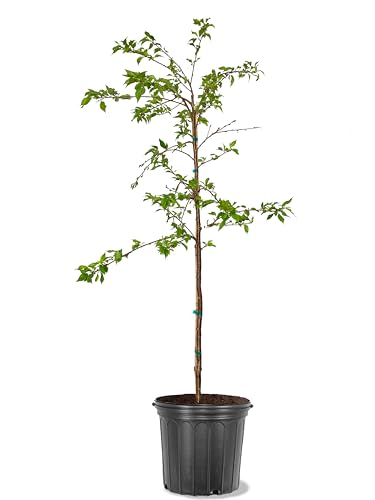
Flowering Cherry Tree 'Weeping Yoshino' – Features graceful, cascading branches adorned with pale pink to white blossoms, creating a stunning focal point in any landscape.
Soil Preparation for Cherry Trees in Boston
Preparing the right soil is crucial for the successful growth of cherry trees in Boston’s unique coastal environment. Understanding the specific soil conditions and amendments needed can significantly impact tree health and fruit production. This section will explore essential soil preparation techniques tailored for this region.
Proper soil preparation is vital for cherry tree health. Boston’s soil can be clay-heavy, so improving drainage is essential. Follow these steps:
Test the soil pH to ensure it’s between 6.0 and 7.0.
Amend the soil with organic matter like compost to enhance drainage and nutrients.
Choose a sunny location with at least six hours of sunlight daily.
Cherry Tree Planting Strategies in Boston
Planting cherry trees in Boston requires careful consideration of the local climate and soil conditions. Understanding the best strategies for successful growth can enhance the beauty of this coastal New England city. This section outlines effective techniques for planting and nurturing cherry trees to thrive in Boston’s unique environment.
Planting cherry trees correctly ensures strong root development. Follow these steps for optimal results:
Dig a hole twice the width of the root ball and the same depth.
Place the tree in the center, ensuring the graft union is above soil level.
Backfill with soil and water thoroughly to eliminate air pockets.
Cherry Tree Watering and Fertilization Practices
Proper watering and fertilization are crucial for the health and growth of cherry trees in Boston’s unique coastal climate. Understanding the specific needs of these trees can enhance their resilience and promote vibrant blooms. This section outlines effective practices tailored for the region to ensure your cherry trees thrive.
Cherry trees require consistent moisture, especially during the first few years. Implement the following watering and fertilization practices:
Water deeply once a week, adjusting frequency based on rainfall.
Apply a balanced fertilizer in early spring to promote healthy growth.
Mulch around the base to retain moisture and suppress weeds.
Recommended Products

Down to Earth Fruit Tree is a five pound box of all natural fertilizer with 6-2-4 formula and is listed by the Organic Materials Review Institute (OMRI) for use in organic production
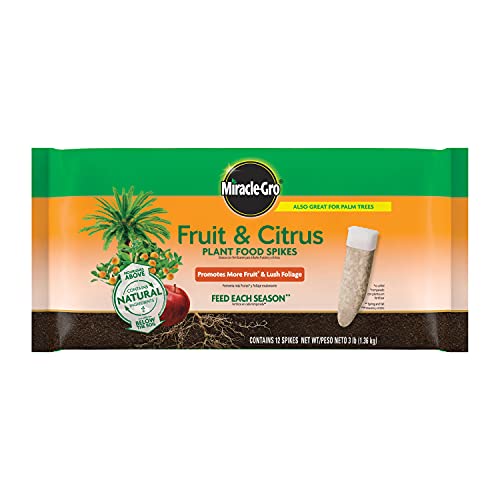
FORMULATED FOR CITRUS AND FRUIT TREES: Use these citrus fertilizer spikes on apple, orange, lemon, lime, and avocado trees; this formula is also great for feeding palm trees

Let our professionally formulated plant food help your fruit tree grow healthy, strong AND abundantly producing
Seasonal Maintenance Strategies for Cherry Trees
Maintaining cherry trees in Boston’s coastal climate requires a tailored approach to seasonal care. Understanding the unique challenges posed by New England’s weather can help ensure these beautiful trees thrive. This section outlines effective maintenance strategies to keep your cherry trees healthy and flourishing throughout the year.
Maintaining cherry trees through seasonal changes is essential for their health. Key practices include:
Prune in late winter to remove dead or diseased branches and shape the tree.
Monitor for pests such as aphids and cherry fruit flies, applying organic pesticides as necessary.
Protect during winter by wrapping trunks to prevent damage from cold temperatures.
Cherry Tree Pest and Disease Control Methods
Maintaining the health of cherry trees in Boston requires vigilance against various pests and diseases that can threaten their growth and beauty. Effective control methods are essential for ensuring these trees thrive in the unique coastal New England climate. This section outlines practical strategies for managing common issues faced by cherry trees in the region.
Cherry trees are susceptible to various pests and diseases. Implement these management strategies to protect your trees:
Inspect regularly for signs of pests or disease.
Use insecticidal soap to control aphids and other soft-bodied insects.
Apply fungicides during wet seasons to prevent fungal infections.
| Pest/Disease | Symptoms | Control Method |
|---|---|---|
| Aphids | Curling leaves | Insecticidal soap |
| Cherry fruit fly | Holes in fruit | Traps and insecticides |
| Powdery mildew | White powdery spots | Fungicides |
Recommended Products

COMPREHENSIVE COVERAGE: 4-pack of TERRO fruit fly traps for indoors with 180 days of lure supply provides comprehensive pest control coverage for your home's fruit fly infestations

Highly Effective & Reliable Fruit Fly Catcher: This fruit fly trap is expertly engineered to stop fruit flies where they hover most—kitchen counters, trash bins, and near fruit. See results in just 24 hours!

EFFECTIVE ATTRACTION: This plug-in fly trap indoor uses advanced UV LED light technology to naturally attract fruit flies, gnats, moths, and other flying insects for continuous 24/7 protection throughout your home spaces
Cherry Harvesting Techniques for Optimal Flavor
Harvesting cherry trees at the right time is crucial for achieving optimal flavor in Boston’s coastal climate. Understanding the specific techniques that enhance the quality of cherries can significantly impact both the taste and marketability of the fruit. This section explores effective methods for harvesting cherries to ensure a delicious and successful yield.
Once your cherry trees begin to bear fruit, proper harvesting techniques will ensure the best flavor. Follow these steps:
Harvest when fully ripe, typically in mid-summer for tart varieties.
Gently twist the fruit to detach it from the stem without damaging the tree.
Store cherries in a cool place or refrigerate for extended freshness.
Maximizing Your Cherry Harvest Uses
Understanding how to maximize your cherry harvest is essential for making the most of your efforts in Boston’s unique coastal environment. From preserving the fruit to creating delicious dishes, there are numerous ways to utilize your cherries effectively. This section explores various creative and practical uses for your bountiful harvest, ensuring nothing goes to waste.
Utilize your cherry harvest in various ways:
Make jams and jellies for long-term storage.
Bake pies or tarts to enjoy fresh flavors.
Freeze cherries for later use in smoothies or desserts.
Always ensure cherries are fully ripe before harvesting to avoid sour flavors.
