

Using copper fungicide on guava trees effectively combats fungal infections that threaten your subtropical crops. This treatment not only protects your plants but also enhances their overall health and yield.
Identifying Fungal Diseases in Guava Trees
Fungal diseases can significantly impact the health and yield of guava trees, making early identification crucial for effective management. This section outlines common fungal infections that affect guava crops, helping growers recognize symptoms and take timely action to protect their trees. Understanding these diseases is essential for maintaining the vitality of subtropical guava orchards.
Guava trees are susceptible to various fungal diseases, which can lead to reduced fruit quality and yield. Common issues include leaf spot, powdery mildew, and root rot. Identifying these threats early is crucial for effective management.
Recommended Products

Control plant common plant diseases in your home garden with Copper Fungicide Spray or Dust from Bonide!

For control of disease on vegetables, ornamentals, Fruit and nut crops & algae in turfgrass
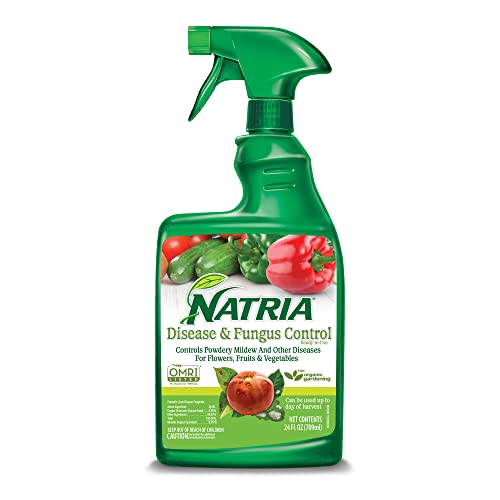
DISEASE CONTROL: Disease & Fungus Control controls powdery mildew, rust, black spot, fruit rot, downy mildew, late blight, and other listed diseases
Fungal Threats to Guava Tree Health
Guava trees, prized for their sweet fruit, face various fungal threats that can compromise their health and yield. Understanding these pathogens is crucial for effective management and protection strategies. This section delves into the specific fungi that pose risks to guava trees and the potential impact on crop production.
Fungal diseases can manifest in several ways, impacting the health of your guava trees. Recognizing symptoms allows for timely intervention. Here are some prevalent fungal diseases affecting guava trees:
| Disease | Symptoms | Impact on Trees |
|---|---|---|
| Leaf Spot | Dark spots on leaves | Reduces photosynthesis |
| Powdery Mildew | White powdery coating | Stunts growth |
| Root Rot | Wilting, yellowing leaves | Causes tree decline |
Copper Fungicide Advantages for Guava Trees
Copper fungicides offer essential benefits for guava trees, particularly in subtropical climates where fungal diseases can threaten crop health. By effectively controlling pathogens, these treatments not only enhance the resilience of guava trees but also contribute to improved fruit quality and yield. Understanding the advantages of copper fungicides is crucial for successful guava cultivation.
Copper fungicide is a widely used treatment for managing fungal diseases in guava trees. Its effectiveness stems from its ability to disrupt the fungal cell structure, preventing further infection.
Recommended Products

Control fungus and disease in your garden with Captain Jack’s ready-to-spray Liquid Copper Fungicide!

DISEASE CONTROL - Liqui-Cop, Copper-Count-N, is designed to prevent a wide variety of plant diseases including anthracnose, brown rot, blight, downy mildew, botrytis blight, leaf spot and many more.

Controls diseases caused by bacteria and fungi
Benefits of Copper Fungicide for Guava Trees
Copper fungicide offers significant advantages for guava trees, particularly in subtropical climates where fungal diseases can threaten crop health. Its effectiveness in controlling various pathogens not only helps maintain the vitality of the trees but also enhances fruit quality and yield, making it a valuable tool for growers aiming for sustainable production.
Using copper fungicide provides several benefits for your guava trees:
Broad-spectrum protection against various fungal pathogens
Preventive and curative properties, making it versatile for use
Minimal toxicity to beneficial insects when applied correctly
Copper Fungicide Application Methods for Guava Trees
Effective application of copper fungicide is crucial for safeguarding guava trees against fungal diseases. This section outlines various methods to apply copper fungicide, ensuring optimal coverage and absorption for maximum protection of your subtropical crops. Understanding these techniques will help you maintain healthy, productive guava trees throughout their growing season.
Proper application of copper fungicide is essential for achieving optimal results. The timing, method, and frequency of application play significant roles in its effectiveness.
Recommended Products

DISEASE CONTROL - Liqui-Cop is designed to prevent a wide variety of plant diseases including anthracnose, brown rot, blight, downy mildew, botrytis blight, leaf spot and many more.

PACK OF 2 - Control fungus and disease in your garden with Captain Jack’s ready-to-use Liquid Copper Fungicide!

🌿 Controls Common Fungal & Bacterial Diseases Defend your plants from powdery mildew, botrytis, anthracnose, and more. Works on contact to stop foliar plant diseases before they spread.
Effective Copper Fungicide Application Techniques
Applying copper fungicide effectively is crucial for safeguarding guava trees against fungal diseases. Understanding the best techniques for application can enhance the treatment’s efficacy, ensuring that your subtropical crops remain healthy and productive. This section explores various methods to optimize the use of copper fungicide on guava trees.
Follow these steps to ensure proper application of copper fungicide:
Choose the right formulation for your specific needs, such as liquid or powder.
Mix the fungicide according to the manufacturer’s instructions.
Apply during dry weather to prevent wash-off and ensure adherence.
Spray evenly on all plant surfaces, including the undersides of leaves.
Reapply as needed, especially after heavy rain or if symptoms persist.
Copper Fungicide Handling Safety Guidelines
When applying copper fungicide to guava trees, ensuring safety during handling is crucial to protect both the applicator and the environment. Understanding the proper protocols and precautions can minimize risks associated with chemical exposure. This section outlines essential safety guidelines to follow for effective and responsible use of copper fungicide in your subtropical crop management.
While copper fungicide is effective, safety should always be a priority. Proper handling and application techniques minimize risks to both the user and the environment.
Copper Fungicide Safety Guidelines for Guava Trees
When using copper fungicide on guava trees, it’s essential to follow safety guidelines to protect both the plants and the environment. Proper application techniques and timing can enhance effectiveness while minimizing potential harm. Understanding these guidelines ensures that your subtropical crops remain healthy and productive throughout their growing season.
Implement the following safety measures when using copper fungicide:
Wear protective clothing, including gloves and masks.
Avoid application during windy conditions to prevent drift.
Store fungicide in a cool, dry place away from children and pets.
Guava Tree Health Monitoring Strategies
Monitoring the health of guava trees is essential for ensuring robust growth and maximizing yield in subtropical climates. Effective strategies involve regular assessments of plant vigor, leaf condition, and soil quality, enabling early detection of potential issues. By implementing these monitoring techniques, growers can better protect their crops from diseases and pests, ultimately enhancing overall productivity.
Regular monitoring of your guava trees is essential for early detection of fungal diseases. Combine this with consistent maintenance practices to promote healthy growth.
Monitoring Techniques for Healthy Guava Trees
Effective monitoring techniques are essential for maintaining the health of guava trees, particularly in subtropical climates where diseases can thrive. By implementing systematic observation and assessment methods, growers can identify early signs of stress or infection, ensuring timely intervention and optimal crop yield. This section explores various strategies to keep guava trees thriving and resilient against potential threats.
Adopt these practices to keep your guava trees healthy:
Inspect leaves regularly for signs of disease.
Check soil moisture to prevent root rot.
Prune affected areas to improve air circulation.
Guava Tree Fungicide Application Strategies
Effective application strategies for copper fungicide on guava trees are essential for safeguarding these subtropical crops from fungal diseases. Understanding the timing, method, and dosage of application can significantly enhance the health and yield of guava trees, ensuring robust growth and fruit production. This section explores practical techniques to optimize fungicide use for maximum protection and effectiveness.
Incorporate these maintenance tips into your care routine:
Fertilize appropriately to strengthen tree health.
Mulch around the base to retain moisture and suppress weeds.
Rotate fungicide use with other treatments to prevent resistance.
Conclusion on Copper Fungicide Use
Using copper fungicide on guava trees is a proactive approach to managing fungal diseases. Adhering to proper application techniques and safety measures ensures the health of your crops. Regular monitoring and maintenance will further enhance the effectiveness of your treatment.
