

Loquat trees thrive in Louisiana’s humid climate, but proper drainage is essential for healthy growth. Implementing effective humidity and drainage strategies will enhance fruit production and tree vitality.
Humidity Management for Healthy Loquat Trees
Managing humidity is crucial for the health of loquat trees in Louisiana, where the climate can significantly impact their growth. Understanding how to balance moisture levels and ensure proper drainage will help cultivate robust trees that thrive in this environment. This section explores effective strategies for maintaining optimal humidity conditions for loquat cultivation.
Loquat trees are well-suited to Louisiana’s humid environment, but excessive moisture can lead to root rot and other diseases. Humidity affects the tree’s overall health and fruit quality. Understanding how to manage humidity levels is crucial for successful cultivation.
Ideal humidity levels range from 40% to 60%.
Excessive humidity can cause fungal diseases.
Proper air circulation is vital for preventing moisture buildup.
Recommended Products
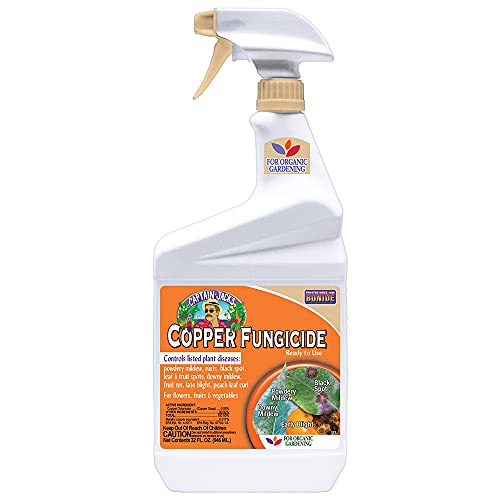
Control fungus and disease in your garden with Captain Jack’s ready-to-use Liquid Copper Fungicide!
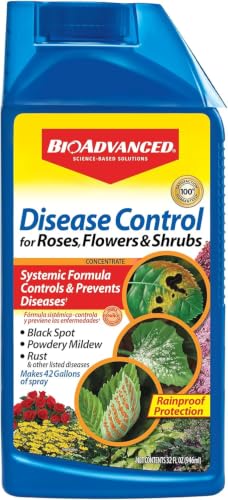
SYSTEMIC PLANT DISEASE CONTROL: Disease Control for Roses, Flowers, and Shrubs is a systemic formula that cures and prevents listed diseases for roses, flowers, shrubs, or even houseplants (treated outside)

Control fungus and disease in your garden with Captain Jack’s Liquid Copper Fungicide Concentrate!
Humidity Challenges for Loquat Trees
Loquat trees thrive in humid environments, but Louisiana’s unique climate presents specific challenges. High humidity levels can lead to issues such as fungal diseases and poor fruit quality. Understanding these challenges is essential for successful cultivation and ensuring the health of loquat trees in this region.
High humidity can lead to specific problems for loquat trees. Recognizing these issues early can help mitigate damage and ensure a healthy crop.
| Humidity Issue | Symptoms | Recommended Action |
|---|---|---|
| Root Rot | Yellowing leaves, wilting | Improve drainage, reduce watering |
| Fungal Infections | Leaf spots, mold | Apply fungicides, improve airflow |
| Poor Fruit Set | Small, misshapen fruit | Adjust watering, ensure proper fertilization |
Drainage Strategies for Loquat Tree Health
Effective drainage is crucial for the health of loquat trees in Louisiana, where humidity levels can be high. Poor drainage can lead to root rot and other issues, making it essential to implement strategies that promote proper water management. Understanding these techniques will help ensure robust growth and fruit production in this subtropical climate.
Proper drainage is essential for loquat trees in Louisiana. Poor drainage can lead to waterlogged soil, which negatively impacts root health. Implementing effective drainage solutions can prevent these issues.
Install drainage tiles to redirect excess water.
Create raised beds to enhance soil drainage.
Use sandy loam soil mixes to improve aeration.
Optimal Soil Types for Loquat Trees
Understanding the optimal soil types for loquat trees is crucial for successful cultivation in Louisiana’s unique climate. The right soil composition not only supports healthy growth but also enhances the tree’s resilience against humidity and drainage challenges. This section explores the specific soil characteristics that promote thriving loquat trees in the region.
The choice of soil plays a significant role in managing humidity and drainage. Loquat trees prefer well-drained soils that retain some moisture without becoming waterlogged.
Use a mix of topsoil and compost to enhance nutrient content.
Incorporate perlite or vermiculite to improve drainage.
Test soil pH; loquats thrive in slightly acidic to neutral conditions (pH 6.0 to 7.0).
Healthy Growth Practices for Loquat Trees
Healthy growth practices for loquat trees in Louisiana are essential to ensure their thriving in a humid environment. By focusing on proper watering techniques and soil management, gardeners can create optimal conditions for these trees, promoting robust development and fruit production. Understanding the unique challenges of Louisiana’s climate will further enhance the success of loquat cultivation.
Maintaining loquat trees involves regular practices that support healthy growth and fruit production. Consistent care can significantly improve tree resilience against humidity-related issues.
Prune regularly to improve air circulation and remove dead branches.
Monitor soil moisture levels to avoid overwatering.
Fertilize with a balanced fertilizer during the growing season.
Extreme Weather Protection for Loquat Trees
Loquat trees in Louisiana face unique challenges due to the region’s extreme weather conditions. Understanding how to protect these trees from heavy rains, strong winds, and temperature fluctuations is essential for successful cultivation. Implementing effective strategies can help ensure their resilience and promote healthy growth despite the unpredictable climate.
Louisiana’s weather can be unpredictable, with sudden changes in humidity and temperature. Protecting loquat trees from extreme weather conditions is essential for their survival and productivity.
Cover trees with burlap during frost warnings.
Mulch around the base to retain soil moisture and regulate temperature.
Install windbreaks to shield trees from strong winds.
Loquat Tree Health and Growth Monitoring
Monitoring the health and growth of loquat trees in Louisiana is essential for successful cultivation in the region’s humid climate. By understanding the specific needs of these trees, including their responses to moisture levels and soil drainage, growers can implement effective strategies to enhance their vitality and fruit production. This section delves into key indicators and methods for assessing loquat tree health.
Regular evaluations of loquat tree health can help identify issues early. Monitoring growth and fruit production will guide necessary adjustments in care practices.
Check for signs of stress such as leaf discoloration or stunted growth.
Assess fruit quality by examining size and flavor.
Keep records of growth patterns to identify trends over time.
Successful Cultivation Strategies for Loquat Trees
Successfully cultivating loquat trees in Louisiana requires an understanding of the unique environmental challenges posed by the region’s humidity and drainage issues. By implementing targeted strategies, growers can enhance the health and productivity of these trees, ensuring they thrive in the local climate. This section outlines effective methods for managing moisture levels and promoting optimal growth conditions.
Implementing these strategies will enhance the health and productivity of loquat trees in Louisiana. Regular monitoring and adjustments based on environmental conditions are key to successful cultivation.
Maintain optimal humidity levels.
Ensure proper drainage through soil management.
Regularly evaluate tree health for timely interventions.
