

Lime trees can thrive in North Las Vegas, NV, but specific conditions must be met for successful growth. The high temperatures and low humidity typical of this region can stress the trees, making proper care essential for heat survival.
Lime Tree Growth Factors in North Las Vegas
Lime trees require warm temperatures and plenty of sunlight to flourish. They thrive in USDA hardiness zones 9 to 11, which includes North Las Vegas. However, the extreme heat and dry conditions can pose challenges. Here are the primary factors to consider for growing lime trees in this area:
Soil Quality: Lime trees prefer well-draining, sandy loam soil with a pH between 6.0 and 7.5.
Watering Needs: Regular watering is crucial, especially during the summer months.
Sunlight Exposure: Full sun exposure for at least 8 hours a day is ideal.
Lime Tree Growth Conditions in North Las Vegas
Understanding the growth conditions for lime trees in North Las Vegas is essential for successful cultivation in this arid environment. The region’s unique climate, characterized by high temperatures and low humidity, presents both challenges and opportunities for growing these citrus trees. This section explores the specific factors that influence lime tree health and productivity in this desert landscape.
| Factor | Ideal Condition | Difficulty (1-5) |
|---|---|---|
| Soil Type | Sandy Loam | 2 |
| Watering | Regular and Deep | 3 |
| Sunlight | Full Sun (8+ hours) | 1 |
| Temperature | 70-100°F | 3 |
Lime Tree Soil Preparation Techniques
Preparing the right soil is crucial for the successful growth of lime trees in the challenging climate of North Las Vegas, NV. The arid conditions and high temperatures require specific techniques to ensure that the soil retains moisture and provides essential nutrients. Understanding these preparation methods will help gardeners create an optimal environment for their lime trees to thrive.
Proper soil preparation is essential for lime tree health. Start by testing the soil pH and nutrient levels.
Amend the soil as needed to achieve the right conditions. Follow these steps for effective soil preparation:
Test the Soil: Use a soil test kit to determine pH and nutrient levels.
Amend the Soil: Add organic matter like compost to improve drainage and nutrient content.
Ensure Drainage: Create raised beds if necessary to prevent waterlogging.
Recommended Products

KNOW BEFORE YOU GROW | Grow the healthiest, sustainable lawn and garden with the most accurate and easy to use professional soil test kit on the market

Kindly NOTE: This soil tester can not be applied to test pH value of any other liquid. If the soil is too dry the indicator will not move, and water it before testing.

Accurate Soil pH Testing: Dewildetradingco Soil pH Test Strips offer measurements of soil pH levels (pH 3.5-9). As an essential tool for every gardener and grower, these test strips help determine the optimal pH for various plants, such as outdoor plants, indoor plants, gardens, grass lawns, fruit trees, flowers, vegetables, and forest shrubs.
Soil Testing and Preparation Guide
Understanding the soil conditions in North Las Vegas is crucial for successfully growing lime trees in this arid climate. Proper soil testing and preparation can significantly enhance the trees’ ability to withstand high temperatures and thrive. This guide will provide essential steps to ensure your soil is optimized for lime tree cultivation.
Soil test kit
Organic compost
Shovel and rake
Mulch for moisture retention
Effective Watering Strategies for Lime Trees
Lime trees thrive in warm climates, but the scorching heat of North Las Vegas presents unique challenges for their growth. To ensure these trees flourish, effective watering strategies are essential. Understanding how to manage water supply can significantly enhance their resilience and fruit production in this arid environment.
Watering is a critical factor for lime trees, especially in hot climates. Establishing a consistent watering routine can help the trees withstand extreme heat. Consider these watering techniques:
Deep Watering: Water deeply once a week rather than shallowly every day.
Mulching: Apply mulch around the base to retain moisture and regulate soil temperature.
Drip Irrigation: Install a drip irrigation system for efficient water delivery.
Recommended Products
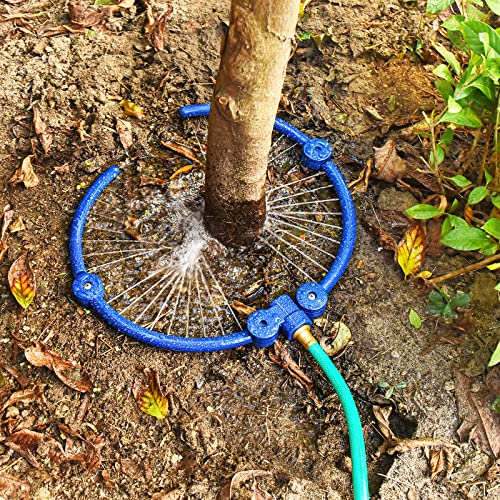
【Specially Designed for Trees and Shrubs】 The Watering Ring is a multi-purpose irrigation ring that attaches to a garden hose to efficiently water young trees shrubs vegetables or flower beds using drip or trickle irrigation.It directs water to the root perimeter of the plant to give them a good start during the first two growing seasons or through periods of drought.

SAVE TIME AND EFFORT: This plant watering kit has everything you need to get started with drip irrigation and precisely water up to ten individual plants. Use the kit to build, expand, or repair a drip irrigation system

NO MORE HARD INSTALLATION - SET UP IN MINUTES. Tired of struggling with stiff barbed fittings? This drip irrigation system features quick-connect fittings that let you push, lock, and secure tubing effortlessly. No tools, no leaks, just a smooth setup experience. Enjoy a frustration-free installation and get your garden watering system running in minutes.
Lime Tree Watering Guidelines
Proper watering is essential for lime trees to thrive in the hot climate of North Las Vegas. Understanding the specific needs for moisture can significantly impact their growth and fruit production. This section outlines effective watering guidelines to help ensure your lime trees survive and flourish in the desert environment.
| Day | Action |
|---|---|
| Monday | Deep watering |
| Wednesday | Check soil moisture |
| Friday | Apply mulch if needed |
Heat Exposure Strategies for Lime Trees
Lime trees thrive in warm climates, but the extreme heat of North Las Vegas poses unique challenges. Understanding effective heat exposure strategies is essential for ensuring the health and productivity of these citrus trees. This section explores practical methods to help lime trees withstand high temperatures and flourish in the desert environment.
While lime trees need full sun, managing exposure during peak heat can protect them from stress. Here are strategies to ensure optimal sunlight management:
Shade Cloth: Use shade cloth during the hottest part of the day to reduce heat stress.
Tree Placement: Position trees where they receive morning sun and some afternoon shade.
Regular Monitoring: Check for signs of sunburn on leaves and adjust exposure accordingly.
Recommended Products

【High Quality ,More sizes, Give you more choices】- Our Shade Cloth can resist rays and most sunlight while air can still flow through so as to create a comfortable cool and shaded place for people or plants.
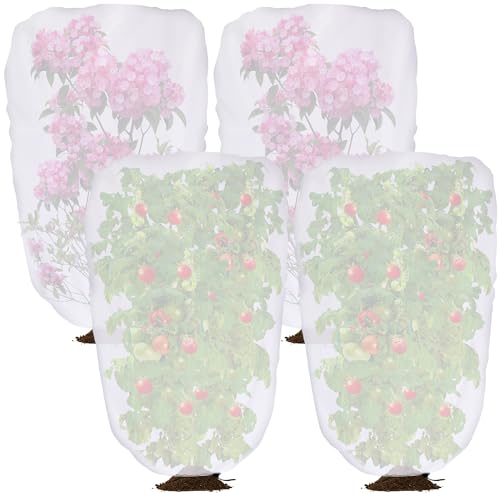
Full Spectrum White Light Refraction: Our shade cover for garden can not only effectively block strong direct sunlight, prevent extreme high temperature and sun damage to plants, but also meet the sunlight needed by plants, refraction full spectrum white light, so that your plants get balanced daylight.

【High Quality Shade Cloth 】- Our Shade Cloth can resist rays and most sunlight while air can still flow through so as to create a comfortable cool and shaded place for people or plants.
Shade Cloth Installation for Lime Trees
In the arid climate of North Las Vegas, protecting lime trees from extreme heat is crucial for their survival and productivity. One effective method to shield these delicate plants is through the installation of shade cloth. This section explores the best practices for implementing shade cloth to ensure your lime trees thrive under the intense sun.
Install shade cloth for peak heat
Monitor leaf health regularly
Adjust tree placement as necessary
Nutrient Guidelines for Lime Tree Fertilization
Understanding the nutrient needs of lime trees is essential for successful growth in the challenging climate of North Las Vegas. Proper fertilization not only supports healthy development but also enhances heat resilience, ensuring that these trees thrive despite high temperatures and arid conditions. This section outlines the key nutrient guidelines for effectively fertilizing lime trees in this unique environment.
Fertilization is crucial for lime trees to produce healthy fruit. The right nutrients support growth and fruit development. Follow these fertilization guidelines:
Choose a Citrus Fertilizer: Select a balanced fertilizer specifically for citrus trees.
Apply Regularly: Fertilize every 6-8 weeks during the growing season.
Monitor Nutrient Levels: Adjust fertilizer type based on soil test results.
Citrus Fertilization Timeline for Heat Survival
Understanding the specific fertilization needs of citrus trees is crucial for their survival in the heat of North Las Vegas. This section outlines a timeline for fertilizing lime trees, ensuring they receive the necessary nutrients to thrive despite the challenging climate conditions. Proper timing and application can make a significant difference in their overall health and productivity.
| Month | Action |
|---|---|
| March | Apply citrus fertilizer |
| May | Reapply fertilizer |
| July | Check nutrient levels |
Lime Tree Pest Control Strategies
Managing pests is crucial for the successful growth of lime trees, especially in the challenging climate of North Las Vegas. Understanding the specific threats these trees face and implementing effective control strategies can help ensure their health and productivity. This section explores various pest control methods tailored to the unique conditions of the region.
Pests can threaten lime trees, especially in warm climates. Effective pest management strategies are essential for maintaining tree health. Consider these approaches:
Regular Inspections: Check for pests like aphids and spider mites.
Natural Predators: Encourage beneficial insects that prey on harmful pests.
Organic Pesticides: Use organic solutions when necessary to control infestations.
Lime Tree Pest Control Strategies
Effectively managing pests is crucial for the health of lime trees, especially in the challenging climate of North Las Vegas. This section explores various pest control strategies tailored to ensure the survival and productivity of lime trees in hot, arid conditions, providing practical solutions for gardeners facing these specific challenges.
Inspect trees weekly
Identify beneficial insects
Keep organic pesticides on hand
Lime Tree Care in Hot Climates
Growing lime trees in North Las Vegas requires attention to soil, water, sunlight, and pest management. These factors significantly influence the trees’ ability to thrive in a hot climate. Regular monitoring and adjustments will ensure successful growth and fruit production.
