

Growing banana trees in Jacksonville, FL requires understanding the subtropical climate and choosing the right varieties. The best approach is to select disease-resistant cultivars and implement proper care techniques to ensure healthy growth and fruit production.
Best Banana Varieties for Jacksonville Climate
In Jacksonville’s subtropical climate, selecting the right banana varieties is essential for successful growth and fruit production. This section explores the best options suited to the region’s unique weather conditions, ensuring that local gardeners can cultivate healthy and productive banana trees. Understanding these varieties will help maximize yield and enhance the gardening experience.
Choosing the right banana varieties is crucial for successful growth in Jacksonville. The climate is conducive to several types, but some are better suited for local conditions. Consider these popular options:
Dwarf Cavendish: Compact and productive, ideal for small spaces.
Gros Michel: Known for its rich flavor, but more susceptible to disease.
Red Dacca: Unique taste and color, thrives in warm conditions.
| Variety | Height | Flavor | Disease Resistance |
|---|---|---|---|
| Dwarf Cavendish | 4-6 feet | Sweet | High |
| Gros Michel | 8-10 feet | Rich and creamy | Medium |
| Red Dacca | 6-8 feet | Sweet and tangy | High |
Recommended Products
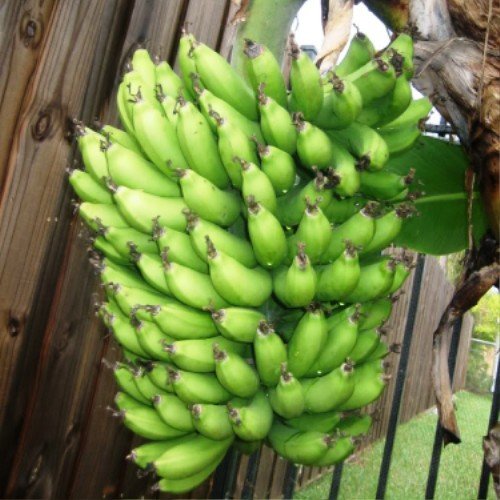
Includes Four "Dwarf Cavendish" Banana Plants. These are 2 inch rooted plants shipped in 2 inch tray pots and are 3-6 inches tall.

Growing banana plants at home promotes sustainability and self-sufficiency. Customers can reduce their reliance on store-bought bananas, which often come from far distances, and enjoy the satisfaction of harvesting their own organic fruit.

This is a cold hardy variety of banana grown from zones 6-10
Site Preparation for Banana Trees
Preparing the site for banana trees in Jacksonville, FL is crucial for their successful growth in the subtropical climate. This involves selecting the right location, ensuring proper drainage, and enriching the soil to provide the ideal conditions for these tropical plants. Understanding these elements will set the foundation for a thriving banana grove.
Proper site preparation ensures optimal growth conditions for banana trees. Choose a location that receives full sunlight and has well-draining soil. Follow these steps:
Clear the area of weeds and debris.
Test the soil pH, aiming for 5.5 to 7.0.
Amend the soil with organic compost to improve fertility.
Banana trees prefer a slightly acidic to neutral soil. Poor drainage can lead to root rot.
Irrigation and Nutrition Strategies for Bananas
Effective irrigation and nutrition are crucial for cultivating healthy banana trees in Jacksonville’s subtropical climate. Understanding the specific water needs and nutrient requirements can significantly enhance growth and fruit production. This section explores tailored strategies to ensure your banana trees thrive in the region’s unique environmental conditions.
Watering and fertilizing are essential for healthy banana trees. These plants require consistent moisture but dislike standing water. Implement these practices:
Water regularly to keep the soil moist, especially during dry spells.
Use a balanced fertilizer high in potassium every 6-8 weeks.
Mulch around the base to retain moisture and suppress weeds.
| Fertilizer Type | Application Frequency | Key Nutrients |
|---|---|---|
| Balanced Fertilizer | Every 6-8 weeks | Nitrogen, Phosphorus, Potassium |
| Organic Compost | Once in spring | Micro-nutrients |
Banana Tree Pest and Disease Solutions
In Jacksonville’s subtropical climate, banana trees can thrive but are susceptible to various pests and diseases. Understanding the specific challenges these trees face is crucial for successful cultivation. This section explores effective solutions to common problems, ensuring your banana trees remain healthy and productive.
Managing pests and diseases is vital for the health of banana trees. Common issues include aphids, spider mites, and fungal infections. Take these actions:
Inspect plants regularly for signs of pests.
Apply insecticidal soap for pest control.
Use fungicides at the first sign of fungal diseases.
Always follow the manufacturer’s instructions when using pesticides to avoid damaging your plants.
Banana Harvest Timing and Storage Tips
Understanding the optimal timing for harvesting banana trees is crucial for ensuring the best flavor and quality. In Jacksonville’s subtropical climate, knowing when to pick and how to store your bananas can make a significant difference in their taste and longevity. This section provides essential tips to help you maximize your banana harvest and maintain freshness.
Harvesting bananas at the right time ensures optimal flavor and quality. Bananas are typically ready to harvest when they are plump and the fruit starts to turn yellow. Follow these guidelines:
Cut the bunch from the plant with a sharp knife.
Allow bananas to ripen in a cool, dark place.
Store ripe bananas in the refrigerator to prolong freshness.
| Ripeness Stage | Appearance | Flavor Profile |
|---|---|---|
| Green | Firm and green | Starchy |
| Yellow | Slightly soft | Sweet |
| Brown | Soft and brown | Very sweet |
Logistical Considerations for Banana Cultivation
When cultivating banana trees in Jacksonville, FL, understanding the logistical aspects is crucial for success. Factors such as soil quality, water availability, and local climate conditions play a significant role in the growth and yield of banana plants. This section explores essential logistical considerations that can help optimize your banana cultivation efforts in this subtropical environment.
Understanding the logistics of growing banana trees can streamline your efforts. Consider the following:
Spacing: Plant trees 8-10 feet apart for optimal growth.
Protection: Use windbreaks to shield plants from strong winds.
Seasonal Care: Adjust watering and fertilizing based on seasonal changes.
Banana trees thrive in warm, humid environments. Protect them from frost by covering them during cold snaps.
Successful Banana Cultivation Strategies
Successfully growing banana trees in Jacksonville, FL requires an understanding of the subtropical climate and specific cultivation techniques. This section outlines effective strategies tailored to the region, focusing on soil preparation, watering practices, and pest management to ensure healthy, fruitful plants. By implementing these methods, local gardeners can enjoy a bountiful banana harvest.
Growing banana trees in Jacksonville is rewarding with the right knowledge and care. Focus on selecting suitable varieties, maintaining proper site conditions, and monitoring for pests and diseases. Implement these strategies to enjoy a fruitful harvest.
