

Growing avocado trees in New Jersey is achievable with the right techniques and care. By selecting cold-hardy varieties and implementing proper planting strategies, gardeners can enjoy homegrown avocados despite the state’s challenging climate.
Cold-Hardy Avocado Varieties for New Jersey
Choosing the appropriate avocado variety is crucial for successful growth in New Jersey. The Bacon and Fuerte avocados are known for their cold tolerance, making them suitable for the region. These varieties can withstand temperatures as low as 25°F, which is essential for New Jersey’s winter conditions.
| Variety | Cold Tolerance | Harvest Season | Growth Habit |
|---|---|---|---|
| Bacon | 25°F | Late winter | Upright |
| Fuerte | 28°F | Late fall | Spreading |
Recommended Products

Cold-Hardy Avocado Variety

RESTRICTIONS - If you live in Arizona and order this tree, your order will be canceled.

Optimal Site Preparation for Avocado Trees
A well-prepared planting site ensures optimal growth conditions for avocado trees. Select a location that receives full sun for at least six hours daily. The soil should be well-draining to prevent root rot, which is a common issue with avocados.
Soil Testing for Avocado Cultivation
Understanding the soil composition is crucial for successfully cultivating avocado trees in New Jersey. Soil testing provides essential insights into pH levels, nutrient availability, and drainage capacity, all of which directly impact the health and productivity of your avocado plants. This section will guide you through the importance of soil testing and how to effectively prepare your garden for optimal growth.
Conduct a soil test to determine pH and nutrient levels. Avocado trees prefer slightly acidic soil with a pH of 6 to 6.5. If necessary, amend the soil with organic matter or sulfur to adjust pH levels.
Improving Drainage for Avocado Trees
Proper drainage is crucial for the health of avocado trees, especially in New Jersey’s varied climate. Excess moisture can lead to root rot and other issues, making it essential to implement effective drainage solutions. This section explores practical strategies to enhance drainage and ensure your avocado trees thrive in the Garden State.
If your site has heavy clay soil, consider creating raised beds or mounds. This approach improves drainage and allows roots to breathe. Adding sand or perlite to the soil mix can also enhance drainage.
Avocado Tree Planting Best Practices
Successfully growing avocado trees in New Jersey requires careful attention to specific planting practices. From selecting the right variety to understanding local climate conditions, these best practices will help ensure healthy growth and fruitful yields. This section provides essential tips to optimize your avocado tree planting experience in the Garden State.
Proper planting techniques are essential for establishing healthy avocado trees. Dig a hole that is twice as wide as the root ball but no deeper than the root ball itself. This encourages lateral root growth.
Post-Planting Watering Techniques
Successfully nurturing avocado trees in New Jersey requires careful attention to post-planting watering techniques. Proper hydration is essential for establishing strong roots and promoting healthy growth in the Garden State’s unique climate. Understanding the right methods and timing for watering will help ensure your avocado trees thrive in their new environment.
After planting, water the tree thoroughly to settle the soil around the roots. Maintain consistent moisture during the first few months to help the tree establish itself. Avoid overwatering, as this can lead to root rot.
Organic Mulch Benefits for Avocado Trees
Organic mulch plays a crucial role in the successful cultivation of avocado trees in New Jersey. By enhancing soil quality, retaining moisture, and suppressing weeds, mulch can significantly improve tree health and productivity. Understanding these benefits is essential for gardeners looking to optimize their avocado-growing experience in the Garden State.
Apply a layer of organic mulch around the base of the tree. This helps retain moisture, suppress weeds, and regulate soil temperature. Keep mulch away from the trunk to prevent rot.
Avocado Tree Care in New Jersey
Caring for avocado trees in New Jersey requires a tailored approach due to the region’s unique climate and soil conditions. Understanding the specific needs of these trees, from watering and fertilization to pest management, is essential for successful cultivation. This section delves into effective care strategies to help gardeners thrive with their avocado trees in the Garden State.
Regular care is vital for the health of avocado trees in New Jersey. Monitor for pests and diseases, and provide necessary nutrients to promote growth.
Recommended Products

CITRUS PLANT FOOD: This avacado, mango and citrus fruit tree fertilizer feeds plants for up to 3 months and nourishes above and below the soil

HEALTHY AVOCADO PLANTS: Our Avocado Fruit Fertilizer is formulated to nourish your avocado plants with micronutrients for lush growth and vibrant leaves while preventing yellowing and stunted growth.
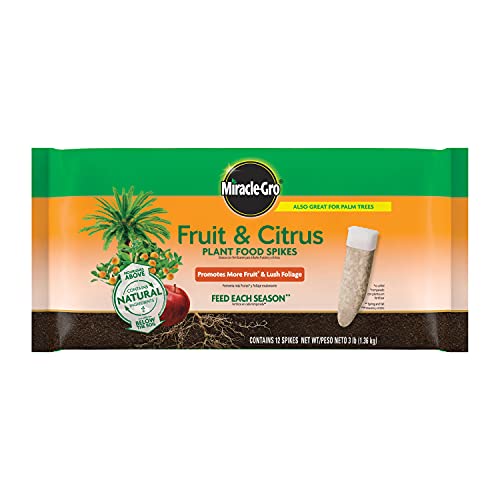
FORMULATED FOR CITRUS AND FRUIT TREES: Use these citrus fertilizer spikes on apple, orange, lemon, lime, and avocado trees; this formula is also great for feeding palm trees
Balanced Fertilizer Application for Avocado Trees
Proper fertilization is essential for the healthy growth of avocado trees, especially in New Jersey’s unique climate. Understanding the right balance of nutrients can significantly enhance fruit production and overall tree vitality. This section delves into the best practices for applying balanced fertilizers to ensure your avocado trees thrive in the Garden State.
Use a balanced fertilizer designed for fruit trees. Apply it in early spring and again in late summer. This ensures that the tree receives adequate nutrients during its growing season.
Avocado Tree Pruning Techniques for Growth
Pruning is essential for maintaining the health and productivity of avocado trees, especially in New Jersey’s unique climate. By employing specific techniques, gardeners can encourage robust growth, enhance fruit production, and ensure the trees remain well-structured. Understanding these methods will empower you to cultivate thriving avocado trees in your garden.
Prune avocado trees annually to maintain shape and remove any dead or diseased branches. This encourages better air circulation and sunlight penetration, which are essential for fruit production.
Winter Care Strategies for Avocado Trees
Caring for avocado trees in New Jersey during the winter months requires special attention to ensure their survival and health. With the state’s cold temperatures and potential frost, implementing effective winter care strategies is essential for protecting these tropical plants. This section outlines practical tips and techniques to help gardeners maintain their avocado trees throughout the colder season.
Winter protection is crucial for avocado trees in New Jersey. Implementing specific strategies can help them survive the colder months.
Recommended Products

Sturdy Material, Porous and Breathable: our tree wrap is made of jute burlap material. It was light weight so it didn't hurt the plants and keeping them warm saved them from freezing, and dries faster than most wraps after it gets wet so the danger of rotting is broken

15 Feet Long: You will receive a natural jute burlap plant blanket, measuring approximately 15 feet in length and 23.6 inches in width. This generous size ensures thorough protection against the cold for your plants and offers great convenience in wrapping them. Moreover, the burlap plant blanket can be easily cut to accommodate multiple plants.

PACKAGE: The package includes 4Pcs plant covers,will meet your daily use or replacement. Measuring 31.5" x 47.3", the plant protector is waterproof, windproof.
Burlap Wrapping for Winter Protection
As winter approaches, protecting avocado trees from harsh conditions becomes essential for their survival in New Jersey. Burlap wrapping offers an effective method to shield these delicate plants from freezing temperatures and wind damage. This technique not only insulates the trees but also helps maintain moisture levels, ensuring they thrive despite the cold.
Wrap the trunk and lower branches with burlap or frost cloth. This provides insulation against freezing temperatures and helps prevent damage.
Heat Protection for Young Avocado Trees
Protecting young avocado trees from extreme heat is crucial for their growth and development, especially in New Jersey’s fluctuating climate. Understanding the specific needs of these trees can help gardeners implement effective strategies to shield them from high temperatures. This section explores practical methods to ensure the health and vitality of your avocado trees during the hottest months.
Consider using heat lamps or frost blankets during extreme cold spells. This additional warmth can protect young trees from frost damage.
Optimal Avocado Harvest Timing in New Jersey
Understanding the optimal harvest timing for avocado trees in New Jersey is crucial for maximizing yield and fruit quality. This section delves into the specific seasonal indicators and environmental factors that influence the best times to pick avocados in the Garden State, ensuring gardeners can achieve the finest results from their efforts.
Once your avocado trees begin to produce fruit, understanding when to harvest is key. Avocados do not ripen on the tree, so picking them at the right time is essential.
Ripeness Indicators for New Jersey Avocados
Understanding the ripeness indicators for avocados is crucial for New Jersey gardeners aiming to cultivate this unique fruit. By recognizing the signs of maturity, you can ensure optimal flavor and texture, enhancing your gardening success. This section will explore the specific cues to look for when determining the perfect time to harvest your avocados in the Garden State.
Look for a change in color and slight softness when gently squeezed. Harvest avocados by twisting them off the stem rather than pulling, which can damage the tree.
Ripening and Storing Avocados Properly
Understanding how to properly ripen and store avocados is crucial for maximizing their flavor and nutritional benefits. In New Jersey, where climate conditions can vary, knowing the best practices for handling these fruits ensures that they reach their peak quality. This section explores effective techniques for ripening and storing avocados to enjoy them at their best.
Store harvested avocados at room temperature to allow them to ripen. Once ripe, they can be refrigerated to prolong freshness.
Avocado Tree Problem-Solving Strategies
Growing avocado trees in New Jersey presents unique challenges due to the region’s climate and soil conditions. This section explores effective problem-solving strategies to help gardeners successfully cultivate these trees, addressing common issues such as temperature fluctuations, pest management, and soil quality. With the right approach, New Jersey residents can enjoy the rewards of homegrown avocados.
Despite best efforts, challenges may arise when growing avocados in New Jersey. Identifying and addressing these issues promptly can save your trees.
| Problem | Symptoms | Solution |
|---|---|---|
| Root Rot | Wilting leaves, blackened roots | Improve drainage, reduce watering |
| Pest Infestation | Holes in leaves, sticky residue | Use insecticidal soap or neem oil |
Monitor your avocado trees regularly to catch problems early. Taking proactive measures can lead to a fruitful harvest.
