

Growing orange trees in pots in Oklahoma can be challenging due to sudden cold snaps. To protect your trees, consider using insulating materials and strategic placement to mitigate temperature drops.
Cold Snap Protection Strategies for Potted Orange Trees
Oklahoma’s climate can be unpredictable, with sudden cold snaps posing a significant threat to orange trees in pots. These trees are sensitive to temperature changes, especially when temperatures drop below 30°F. Understanding how to prepare and protect your trees is crucial for their survival.
Recommended Products

The Large plant cover is perfect for Plant size 55''-70"high and 84''-94" round, Heavy-weight FRCs (1.77oz./sq. yard): usually used to extend the growing season in spring and fall, allow 40%-60% light transmittance, and recommend 3°-8°F of freeze protection

The small plant cover is perfect for Plant size 16''-23"high and 36''-46" round, Heavy-weight FRCs (1.77oz./sq. yard): usually used to extend the growing season in spring and fall, allow 40%-60% light transmittance, and recommend 3°-8°F of freeze protection

The small plant cover is perfect for Plant size 16''-23"high and 36''-46" round, Heavy-weight FRCs (1.77oz./sq. yard): usually used to extend the growing season in spring and fall, allow 40%-60% light transmittance, and recommend 3°-8°F of freeze protection
Cold Resistance Factors for Potted Orange Trees
Understanding the cold resistance factors for potted orange trees is essential for gardeners in Oklahoma, where sudden temperature drops can threaten these delicate plants. Various elements, such as tree variety, pot material, and placement, play crucial roles in their survival during unexpected cold snaps. This section explores these factors to help ensure your orange trees thrive despite the challenges of winter weather.
Several factors influence how well your orange trees can withstand cold weather:
Tree Age: Younger trees are more vulnerable.
Pot Size: Larger pots retain heat better.
Location: Trees in sheltered areas fare better.
Cold Snap Preparedness for Potted Orange Trees
Oklahoma’s unpredictable winter weather can pose significant challenges for potted orange trees, especially during sudden cold snaps. Proper preparation is essential to protect these delicate plants from frost damage and ensure their survival. Understanding the best practices for cold snap readiness will help gardeners maintain healthy orange trees throughout the colder months.
| Symptom | Primary Suspect | Difficulty 1-5 |
|---|---|---|
| Leaves wilting | Low temperature | 3 |
| Fruit drop | Frost exposure | 4 |
| Bark splitting | Rapid temperature change | 5 |
Cold Weather Protection for Potted Orange Trees
Potted orange trees can thrive in Oklahoma’s unique climate, but sudden cold snaps pose a significant threat to their health. Understanding how to protect these trees from frigid temperatures is crucial for maintaining their vitality and ensuring a fruitful harvest. This section explores effective strategies for safeguarding your orange trees during unexpected cold weather events.
Preparation is critical for protecting your orange trees from cold snaps. Implement the following strategies to enhance their chances of survival.
Recommended Products
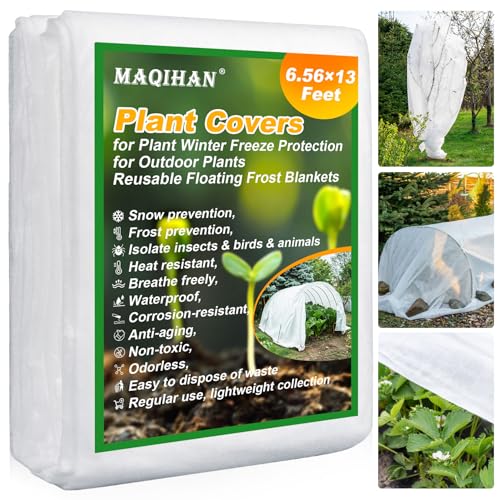
Product Features: Our plant covers are ideal for protecting all plant. Made from premium 1 oz/sq non-woven fabric, their durability and breathability ensuring both insulation against frost and facilitation of sunlight penetration for healthy plant growth

PACKAGE: The package includes 4Pcs plant covers,will meet your daily use or replacement. Measuring 31.5" x 47.3", the plant protector is waterproof, windproof.

Winter Plant Cover: The winter frost cover bag allows plants to absorb sunlight and water, and are protected from extreme cold frost, heavy rain and snow, and protect plants from birds, insects, deer, rabbits and other pests.
Pot and Soil Selection for Cold Resistance
Choosing the right pot and soil for orange trees in Oklahoma is crucial for their survival during unexpected cold snaps. The combination of materials can significantly impact the tree’s ability to retain heat and moisture while providing adequate drainage. Understanding these factors will help ensure your orange trees thrive despite the challenges posed by sudden temperature drops.
Choosing the right pot and soil can significantly impact your tree’s resilience.
Pot Material: Use insulated pots such as ceramic or fiberglass.
Soil Type: Opt for well-draining, organic soil to prevent root rot.
Protecting Potted Orange Trees from Cold
Potted orange trees can thrive in Oklahoma’s unique climate, but sudden cold snaps pose a significant threat to their health. Understanding effective protection strategies is essential for gardeners looking to safeguard these citrus plants during unexpected temperature drops. This section explores practical measures to ensure your orange trees remain healthy and vibrant despite harsh winter conditions.
Insulation plays a vital role in protecting orange trees from cold. Here are effective methods:
Wrap Pots: Use burlap or bubble wrap around pots.
Mulch: Apply a thick layer of mulch on top of the soil to retain heat.
Fleece Covers: Use plant fleece to cover trees during cold nights.
Optimal Pot Relocation for Cold Protection
When unexpected cold snaps hit Oklahoma, the survival of potted orange trees hinges on strategic relocation. Understanding the best practices for moving these trees can significantly enhance their resilience against harsh temperatures. This section explores effective methods to ensure your orange trees remain protected during sudden drops in temperature.
Moving your orange trees can provide immediate protection from cold snaps. Consider these relocation tips:
Sheltered Areas: Move pots near walls or fences that absorb heat.
Indoor Storage: Bring pots indoors during extreme cold periods.
Grouping: Cluster pots together to create a microclimate.
Weather Forecast Tracking for Orange Trees
Monitoring weather forecasts is crucial for protecting potted orange trees in Oklahoma, especially during unexpected cold snaps. By staying informed about temperature changes and potential frost, gardeners can take proactive measures to ensure their trees remain healthy and thrive despite the challenges posed by the state’s variable climate.
Keeping an eye on weather forecasts is essential for timely action.
Temperature Alerts: Use weather apps to receive notifications for sudden temperature drops.
Frost Warnings: Pay attention to local frost warnings to prepare in advance.
Cold Snap Protection Strategies for Potted Orange Trees
Oklahoma’s unpredictable winter weather can pose significant challenges for potted orange trees, particularly during sudden cold snaps. Implementing effective protection strategies is essential to safeguard these delicate plants from freezing temperatures and ensure their health and productivity. The following methods offer practical solutions for keeping your orange trees thriving despite harsh conditions.
Implementing a systematic approach can streamline your protection efforts.
Check Supplies: Ensure you have sufficient insulating materials on hand.
Create a Schedule: Develop a routine for checking weather forecasts and preparing your trees.
| Preparation Step | Recommended Action |
|---|---|
| Insulation | Wrap pots with burlap |
| Relocation | Move pots indoors |
| Monitoring | Use weather apps |
Post-Cold Snap Assessment for Potted Oranges
After experiencing sudden cold snaps, it’s crucial to assess the condition of potted orange trees in Oklahoma. These assessments help determine the extent of damage and necessary care to ensure the trees’ recovery. Understanding the impact of cold weather on these plants can guide effective rehabilitation strategies for optimal growth and fruit production.
After a cold snap, assessing your orange trees is crucial.
Inspect Leaves: Look for signs of frost damage.
Check Roots: Ensure roots are not frozen or waterlogged.
Prune Damaged Areas: Remove any dead or damaged foliage to promote new growth.
Recommended Products

The medium plant cover is perfect for Plant size 30''-39"high and 52''-62" round, Heavy-weight FRCs (1.77oz./sq. yard): usually used to extend the growing season in spring and fall, allow 40%-60% light transmittance, and recommend 3°-8°F of freeze protection

【Super Large Size】Our winter plant covers are designed with a super large size, measuring 95 inches in height and 80 inches in width. This generous size tree cover ensures easy coverage and protection for various types of shrubs and small trees. You can even gather multiple potted plants together and use one large plant cover, eliminating the hassle of multiple small covers.

1.Drawstring Design: the plant frost covers are sturdy and large enough to fit the plants easily, and there is a drawstring for tightening which makes it secure against the wind with easy to cinch the bottoms usage.
Cold Snap Precautions for Potted Orange Trees
Protecting potted orange trees during unexpected cold snaps is crucial for their survival in Oklahoma’s variable climate. This section outlines essential precautions to ensure these trees remain healthy and resilient despite sudden temperature drops, allowing gardeners to enjoy their vibrant fruit and foliage year-round. Implementing these strategies can make a significant difference in the health of your citrus plants.
Even with preparation, extreme cold can still damage your orange trees. Monitor conditions closely and be ready to act.
Cold Snap Preparation for Potted Orange Trees
Oklahoma’s unpredictable weather can pose a significant threat to potted orange trees, especially during sudden cold snaps. Proper preparation is essential to protect these delicate plants from frost damage. Understanding effective strategies for safeguarding your orange trees will help ensure their survival and continued growth in a challenging climate.
Ensure your orange trees are well-prepared for any cold snap by regularly checking weather forecasts and implementing protective measures. Keep your trees healthy by providing adequate care and monitoring their condition after cold events.
