

Tangerine trees can thrive in Vermont’s cold climate with the right varieties and care. Selecting cold-hardy cultivars and implementing specific growing techniques will ensure successful cultivation and fruit production.
Cold-Hardy Tangerine Cultivars for Vermont
Exploring the world of tangerine cultivation in Vermont reveals a fascinating array of cold-hardy varieties that thrive in challenging climates. These cultivars have been specifically developed to withstand lower temperatures while still producing delicious fruit, making them an intriguing option for local gardeners looking to expand their citrus horizons. Understanding these varieties is essential for successful cultivation in this unique environment.
Choosing the right tangerine variety is crucial for successful growth in Vermont. Cold-hardy varieties can withstand lower temperatures while still producing quality fruit. Focus on cultivars known for their resilience against frost and cold stress.
Kiyomi: A hybrid known for its cold tolerance and sweet flavor.
Satsuma: This variety is highly regarded for its ability to survive in colder climates.
Clementine: Offers a sweet taste and is relatively hardy.
| Variety | Cold Tolerance | Flavor Profile | Harvest Time |
|---|---|---|---|
| Kiyomi | -10°F | Sweet | Late winter |
| Satsuma | -15°F | Sweet-tart | Early winter |
| Clementine | -10°F | Sweet | Late fall |
Soil Preparation for Cold-Climate Tangerines
Growing tangerines in Vermont requires careful soil preparation to ensure these cold-climate varieties thrive. The unique challenges posed by the region’s climate necessitate specific techniques and amendments to create an optimal growing environment. Understanding the right soil composition and management practices is crucial for successful cultivation of these citrus trees.
Soil preparation is essential for healthy growth. Tangerine trees prefer well-drained, sandy loam soil with a pH between 6.0 and 7.0. Proper soil amendments can improve drainage and nutrient availability.
Test Soil: Conduct a soil test to determine pH and nutrient levels.
Amend Soil: Incorporate compost or well-rotted manure to enhance fertility.
Improve Drainage: Add sand or perlite to heavy soils to prevent root rot.
Winter Protection for Tangerine Trees
Tangerine trees, typically associated with warmer climates, can thrive in Vermont with the right winter protection strategies. Understanding how to shield these delicate plants from harsh cold can significantly enhance their survival and productivity. This section explores effective methods to safeguard tangerine trees during the frigid months, ensuring they remain healthy and vibrant.
Vermont winters can be harsh, making winter protection strategies necessary. Providing insulation and windbreaks can help tangerine trees survive extreme cold.
Mulch: Apply a thick layer of organic mulch around the base to retain soil warmth.
Row Covers: Use frost cloths or row covers during cold snaps to shield trees.
Windbreaks: Plant evergreen trees or shrubs nearby to reduce wind exposure.
Recommended Products

PACKAGE: The package includes 4Pcs plant covers,will meet your daily use or replacement. Measuring 31.5" x 47.3", the plant protector is waterproof, windproof.

Superior Protection with Extra-Thick Fabric: Our plant cover stands out with its extra-thick 2.0oz/yd² non-woven fabric, safeguarding your plants from frost, wind, and harsh weather conditions effectively.
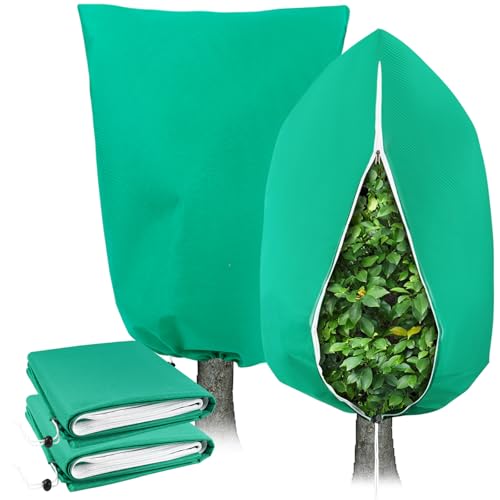
PLANT COVERS FREEZE PROTECTION FOR WINTER:You will receive 2 pack 47 * 72 inch frost blankets cloths for outdoor plants, designed specifically for outdoor plant protection, which can resist frost, snow, rain, wind, hail, animals, insects, birds, etc. Frost cloths for outdoor plants providing sufficient coverage space and is very suitable for shrubs, small trees, flowers, vegetables, etc
Tangerine Tree Watering and Nutrient Strategies
Successfully cultivating tangerine trees in Vermont requires careful attention to their watering and nutrient needs. Given the challenges of a cold climate, understanding the specific strategies for hydration and fertilization is essential for promoting healthy growth and fruit production. This section delves into effective methods to ensure these trees thrive despite the harsh conditions.
Proper watering and fertilization are vital for tangerine tree health. These practices ensure trees receive adequate moisture and nutrients throughout the growing season.
Watering: Water deeply but infrequently to encourage deep root growth.
Fertilization: Use a balanced fertilizer formulated for citrus trees in early spring and again in mid-summer.
Monitor Moisture: Check soil moisture regularly to avoid overwatering.
Pruning Techniques for Healthy Tangerine Trees
Pruning is essential for maintaining the health and productivity of tangerine trees, especially in Vermont’s cold climate. Understanding the right techniques can enhance growth, improve fruit quality, and ensure the trees withstand harsh winters. This section delves into effective pruning methods tailored for these unique conditions.
Regular pruning promotes healthy growth and maximizes fruit yield. Proper techniques can help shape the tree and remove any dead or diseased branches.
Timing: Prune in late winter before new growth begins.
Techniques: Remove any crossing branches and thin out crowded areas to improve air circulation.
Tools: Use sharp pruning shears to make clean cuts and minimize damage.
Pest and Disease Monitoring Strategies
Effective pest and disease monitoring is crucial for maintaining the health of tangerine trees in Vermont’s cold climate. Understanding the specific threats these trees face allows growers to implement targeted strategies, ensuring a robust harvest. This section explores practical approaches to identify and manage potential issues, helping to safeguard these unique citrus varieties.
Pest and disease management is crucial for maintaining healthy tangerine trees. Regular monitoring allows for early detection and intervention.
Common Pests: Watch for aphids, spider mites, and scale insects.
Diseases: Be aware of root rot and citrus greening disease.
Control Measures: Use insecticidal soap or neem oil for pest control. Implement good cultural practices to prevent disease.
Optimal Tangerine Harvest Timing and Techniques
Understanding the best timing and techniques for harvesting tangerines in Vermont’s unique cold climate is crucial for maximizing yield and flavor. This section delves into the optimal periods for picking these citrus fruits and the methods that can enhance their quality, ensuring that growers can successfully cultivate tangerines even in less-than-ideal conditions.
Knowing when and how to harvest tangerines is essential for optimal flavor. Timing and technique can greatly influence the quality of the fruit.
Timing: Harvest when the fruit is fully colored and slightly soft to the touch.
Technique: Twist the fruit gently to detach it from the tree without damaging the branch.
Storage: Store harvested fruit in a cool, dry place to extend freshness.
Tangerine Cultivation Essentials for Vermont
Tangerine cultivation in Vermont presents unique challenges due to the cold climate, but with the right techniques, it can be successfully achieved. Understanding the essentials of growing tangerines in this region is crucial for gardeners looking to enjoy these vibrant fruits. This section delves into the specific requirements and strategies needed for thriving tangerine trees in colder environments.
This table summarizes key aspects of growing tangerine trees in Vermont.
| Aspect | Recommendation |
|---|---|
| Soil Type | Sandy loam with pH 6.0-7.0 |
| Cold-Hardy Varieties | Kiyomi, Satsuma, Clementine |
| Winter Protection | Mulch, row covers, windbreaks |
| Watering | Deep and infrequent |
| Fertilization | Balanced fertilizer in spring and summer |
| Pruning | Late winter, remove dead branches |
| Pest Control | Insecticidal soap or neem oil |
By following these guidelines, you can successfully grow tangerine trees in Vermont’s cold climate. Proper variety selection, soil preparation, and care will lead to fruitful harvests.
