

Papaya trees can grow in Iowa with the right care and conditions. While they are typically tropical plants, specific strategies can help them thrive in a northern climate.
Iowa Papaya Tree Growth Conditions
Growing papaya trees in Iowa presents unique challenges due to the region’s climate and soil conditions. Understanding the specific requirements for successful cultivation is essential for gardeners eager to experiment with this tropical fruit. This section delves into the key factors that influence papaya tree growth in Iowa, providing insights for those looking to nurture these exotic plants in a northern setting.
Papaya trees thrive in warm, tropical environments, making their growth in Iowa challenging. They require full sun, well-drained soil, and consistent moisture.
The average temperature in Iowa can drop significantly during winter, which poses a risk to these sensitive plants. Understanding their needs is crucial for successful cultivation.
Recommended Products

🌿 Papaya Paradise Unveiled: Elevate your Papaya plant care with Gardenera's meticulously crafted Papaya Potting Mix, designed to create an optimal environment for your plants to thrive.

Made For Potted Citrus Trees: Our citrus potting soil mix is made for potted lemon, lime, orange and other citrus trees that need a lighter growing medium for repotting. We double-screen all of our raw ingredients to support a cleaner, more consistent texture for pouring and repotting potted citrus trees.
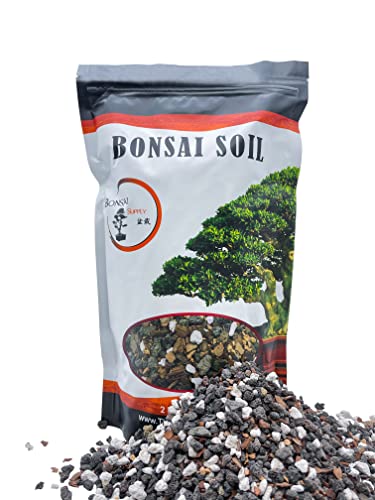
🌱【Ready-to-use Pre-mix】: Simplify repotting your Bonsai and other plants with our premium, fast-draining Bonsai potting soil mix. It comes pre-mixed and sifted for your convenience.
Optimal Soil Types for Iowa Papaya Growth
Understanding the optimal soil types for growing papaya trees in Iowa is crucial for successful cultivation. The right soil conditions can significantly impact growth and fruit production, making it essential for gardeners to know which soil types will best support these tropical plants in a northern climate. This section explores the ideal soil characteristics needed for thriving papaya trees in Iowa.
Soil plays a vital role in the growth of papaya trees. They prefer sandy loam with good drainage. Heavy clay soils can lead to root rot, which is detrimental to their health.
Soil pH should be between 6.0 and 6.5.
Organic matter can improve soil structure and nutrient availability.
Mulching can help retain moisture and regulate soil temperature.
| Soil Type | Drainage | Nutrient Retention | Best for Papayas |
|---|---|---|---|
| Sandy Loam | Excellent | Moderate | Yes |
| Clay | Poor | High | No |
| Silt | Moderate | High | Yes |
Cold Protection Strategies for Papaya Trees
Growing papaya trees in Iowa presents unique challenges, particularly due to the cold climate. To ensure these tropical plants thrive, it’s essential to implement effective cold protection strategies. This section explores practical methods to shield papaya trees from harsh winter conditions, helping gardeners maximize their chances of success in a less-than-ideal environment.
Iowa winters can be harsh, making it essential to protect papaya trees from freezing temperatures. Consider the following strategies:
Plant in containers for easy relocation indoors.
Use frost cloths during cold snaps to shield trees.
Create a microclimate by planting near south-facing walls.
Ensure that any protective measures are in place before temperatures drop below freezing.
Cold-Tolerant Papaya Varieties for Iowa
Growing papaya trees in Iowa can be challenging due to the cold climate, but certain cold-tolerant varieties offer a viable option for enthusiasts. Understanding which types can withstand lower temperatures is crucial for successful cultivation. This section explores the best papaya varieties suited for Iowa’s unique weather conditions, ensuring you can enjoy this tropical fruit even in a northern environment.
Choosing the correct papaya variety can significantly impact growth success in Iowa. Some varieties are more cold-tolerant than others.
Solo Papaya is smaller and can adapt better to cooler climates.
Red Lady is known for its sweet fruit and can handle some temperature fluctuations.
Hawaiian varieties may struggle without additional protection.
Researching and selecting a suitable variety is crucial for maximizing growth potential.
Iowa Papaya Tree Watering Guidelines
When cultivating papaya trees in Iowa, understanding their watering needs is crucial for successful growth. The unique climate and soil conditions of the region require specific strategies to ensure these tropical plants thrive. This section outlines essential watering guidelines tailored for Iowa’s environment, helping you nurture your papaya trees effectively.
Proper watering and fertilization are essential for healthy papaya trees. They require consistent moisture but do not tolerate waterlogged conditions.
Water deeply once a week during dry spells.
Use a balanced fertilizer every 6-8 weeks during the growing season.
Monitor for signs of nutrient deficiency, such as yellowing leaves.
Adjusting your watering schedule based on rainfall can help maintain optimal moisture levels.
Pest Control Strategies for Iowa Papayas
Growing papaya trees in Iowa presents unique challenges, particularly when it comes to pest management. Understanding the specific pests that can affect these tropical plants in a northern climate is crucial for successful cultivation. This section explores effective strategies tailored for Iowa’s conditions to help protect your papaya trees from common threats.
Pests and diseases can threaten papaya trees, especially in a non-native environment. Regular monitoring and preventive measures can mitigate these risks.
Common pests include aphids and spider mites.
Fungal diseases can arise from excess moisture.
Use organic pesticides as a first line of defense.
Implementing an integrated pest management strategy can help keep your plants healthy.
Iowa Papaya Tree Seasonal Growth Strategies
Growing papaya trees in Iowa presents unique challenges due to the region’s climate. Understanding seasonal growth strategies is essential for successfully cultivating these tropical plants in a northern environment. This section explores effective techniques to maximize growth and ensure the health of papaya trees throughout Iowa’s varying seasons.
Seasonal adjustments are necessary for papaya trees in Iowa. Each season presents unique challenges and opportunities for growth.
Spring: Begin planting and fertilizing as temperatures rise.
Summer: Monitor for pests and ensure adequate watering.
Fall: Prepare for winter by moving containers indoors and applying mulch.
Winter: Protect trees from frost and reduce watering.
Following a seasonal care plan can enhance the longevity and productivity of your papaya trees.
Iowa Papaya Cultivation Strategies and Insights
Growing papaya trees in Iowa presents unique challenges due to the region’s climate. However, with the right strategies and insights, it is possible to cultivate these tropical plants successfully. This section explores effective methods and tips tailored for Iowa’s conditions, ensuring that aspiring gardeners can maximize their chances of success.
Growing papaya trees in Iowa requires careful planning and attention to detail. By understanding their specific needs and implementing protective measures, you can cultivate healthy trees that produce fruit.
Focus on soil quality, protection from cold, and proper care throughout the seasons to achieve the best results.
