

Growing orange trees in pots in upstate New York is feasible with the right care and conditions. These trees require specific attention to temperature, light, and watering to thrive in a less-than-ideal climate.
Best Orange Tree Varieties for Container Growth
When growing orange trees in pots, particularly in the unique climate of upstate New York, selecting the right variety is crucial for success. Certain orange tree types thrive better in containers, offering both aesthetic appeal and fruitful yields. This section highlights the best orange tree varieties suited for container growth, ensuring you can enjoy fresh oranges even in cooler climates.
Choosing the right orange tree variety is crucial for successful growth in pots. Some varieties are more suited to container life and cold climates than others. Consider the following popular options:
Calamondin: Small, tart fruit; hardy and compact.
Trovita: Sweet fruit; grows well in pots.
Washington Navel: Popular for its sweetness; requires more care.
These varieties can adapt better to the fluctuating temperatures of upstate New York.
Potting Materials for Healthy Orange Trees
Choosing the right potting materials is crucial for the health and growth of orange trees in pots, especially in the unique climate of upstate New York. The right combination of soil, drainage, and nutrients can significantly impact the tree’s ability to thrive, ensuring it receives the proper support for optimal development. Understanding these materials will help you create the ideal environment for your orange trees.
Selecting the right potting supplies is vital for the health of your orange tree. Use high-quality materials that promote drainage and aeration. Key supplies include:
Container: Choose a pot at least 12 inches deep with drainage holes.
Soil: Use a well-draining citrus potting mix.
Fertilizer: Opt for a slow-release citrus fertilizer.
These items will help create an optimal environment for growth.
Ideal Growing Environment for Potted Orange Trees
Creating the right environment for potted orange trees in New York is essential for their health and productivity. Factors such as temperature, sunlight, and humidity play crucial roles in ensuring these trees thrive in an upstate setting. Understanding these elements can help you cultivate vibrant, fruitful orange trees in your home garden.
Creating the right environment is essential for thriving orange trees. These trees prefer specific conditions to flourish.
Optimal Temperature for Potted Orange Trees
Understanding the optimal temperature for potted orange trees is crucial for successful growth in New York’s unique climate. These trees thrive within specific temperature ranges, which can significantly impact their health and fruit production. Proper temperature management ensures that your orange trees flourish, even in the variable conditions of upstate New York.
Orange trees thrive in warmer temperatures. Ideal conditions include:
Daytime: 70-85°F
Nighttime: 50-60°F
If temperatures drop below 30°F, consider bringing the pots indoors or using protective coverings.
Sunlight Requirements for Potted Orange Trees
Potted orange trees thrive on the right amount of sunlight, which is crucial for their growth and fruit production. In the unique climate of upstate New York, understanding how to optimize light exposure can significantly impact the health of these trees. This section delves into the specific sunlight needs for successful cultivation in a pot.
Orange trees require ample sunlight to produce fruit. Aim for:
Direct sunlight: 8-12 hours daily
Indoor placement: Near south-facing windows
Insufficient light can lead to poor growth and reduced fruit production.
Optimal Watering and Fertilization for Potted Oranges
Proper watering and fertilization are crucial for the health and productivity of potted orange trees, especially in the unique climate of upstate New York. Understanding the specific needs of these trees will help ensure they thrive in containers, providing both vibrant foliage and delicious fruit. This section delves into the best practices for maintaining optimal moisture levels and nutrient balance.
Proper watering and fertilization are critical for healthy orange trees. Here’s a recommended schedule:
Recommended Products
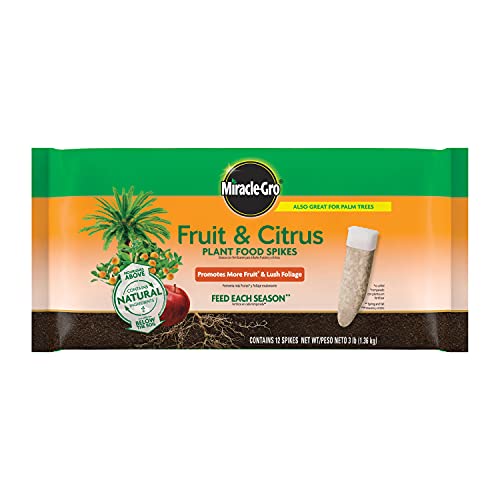
FORMULATED FOR CITRUS AND FRUIT TREES: Use these citrus fertilizer spikes on apple, orange, lemon, lime, and avocado trees; this formula is also great for feeding palm trees

🍋 EXPLOSIVE HARVEST: GardenWise ignites a remarkable yield boost. Its scientific blend, featuring 6% nitrogen for growth, 4% phosphorus for flowering, and 6% potassium for fruit quality, culminates in an abundance of flavorful, aromatic fruits. This is more than growth; it's a nutrient-powered revolution in your citrus yield.

🍋 CITRUS-TAILORED FORMULA: Crafted exclusively for indoor citrus trees, our 3-1-2 Liquid Fertilizer Concentrate presents the ideal blend of nitrogen, phosphorus, and potassium. This ensures your vibrant citrus trees get the precise nutrients they demand.
Pot Watering Techniques for Orange Trees
Proper watering is crucial for the health of orange trees grown in pots, especially in the unique climate of upstate New York. Understanding effective techniques can help ensure these trees thrive despite potential challenges. This section explores various pot watering methods tailored to maintain optimal moisture levels for your orange trees.
Frequency: Water when the top inch of soil feels dry.
Method: Water thoroughly until it drains from the bottom.
Overwatering can lead to root rot, while underwatering can stunt growth.
Fertilization Schedule for Potted Orange Trees
Potted orange trees require a careful fertilization schedule to thrive, especially in the unique climate of upstate New York. Understanding the right nutrients and timing can significantly impact their growth and fruit production. This section outlines the essential fertilization practices to ensure your orange trees flourish in their pots.
Timing: Fertilize every 4-6 weeks during the growing season.
Type: Use a balanced citrus fertilizer.
This routine will support healthy growth and fruit development.
Pests and Diseases Affecting Potted Oranges
Potted orange trees can face various pests and diseases, especially in the unique climate of upstate New York. Understanding these challenges is crucial for maintaining healthy plants and ensuring a fruitful harvest. This section explores common threats and effective management strategies to protect your potted oranges from harm.
Pests and diseases can threaten the health of your orange trees. Regular monitoring is essential for early detection. Common issues include:
| Pest/Disease | Symptoms | Treatment |
|---|---|---|
| Aphids | Curling leaves | Insecticidal soap |
| Scale | Sticky residue | Neem oil |
| Root rot | Wilting | Improve drainage |
Act quickly to address any infestations or diseases to protect your trees.
Recommended Products

Repels Insects, Bugs, Ants, Roaches, Fleas, Palmettos and Silverfish

Repels Insects, Bugs, Ants, Roaches, Fleas, Palmettos and Silverfish

No chemical exposure to applicator or the environment
Winter Protection Strategies for Potted Orange Trees
As winter approaches in Upstate New York, potted orange trees require special attention to thrive despite the cold. Implementing effective protection strategies can help safeguard these citrus plants from harsh temperatures and frost. Understanding the best practices for winter care will ensure your orange trees remain healthy and vibrant until spring.
Winter presents unique challenges for growing orange trees in pots. Protecting your trees during colder months is essential for their survival.
Indoor Pot Transition Before Frost
As temperatures begin to drop in New York, it’s crucial to prepare your potted orange trees for indoor living. Transitioning them before the first frost not only protects the trees from cold damage but also ensures they continue to thrive in a controlled environment. Understanding the right timing and techniques for this process will help maintain their health and productivity.
Timing: Bring pots indoors before the first frost.
Location: Place in a bright, warm area.
This transition helps prevent cold damage.
Potting Strategies for Winter Protection
When growing orange trees in pots in New York, winter presents unique challenges that require careful planning. Effective potting strategies can help protect these citrus trees from harsh temperatures and ensure their health throughout the colder months. Understanding the right techniques will enable you to enjoy vibrant, fruitful trees even in an upstate climate.
If leaving trees outside, consider:
Covering: Use frost cloths during cold snaps.
Mulching: Add mulch around the base for insulation.
These methods can help mitigate the effects of harsh winter conditions.
Successful Pot Care for Orange Trees
Growing orange trees in pots requires careful attention to their unique needs, especially in the variable climate of upstate New York. Understanding the essentials of pot care, including soil, watering, and light requirements, is crucial for nurturing healthy trees that can thrive in containers. This section outlines effective strategies to ensure your potted orange trees flourish despite the challenges of their environment.
Growing orange trees in pots in upstate New York requires careful planning and attention to detail. Monitor temperature, light, and watering closely.
Regularly check for pests and diseases. With the right approach, your orange trees can thrive and produce fruit even in challenging climates.
