

Growing apricot trees in Chesapeake, VA requires careful attention to coastal soil conditions. Proper soil care ensures healthy growth and fruit production. Understanding the local climate and soil characteristics is essential for successful cultivation.
Coastal Soil Challenges for Apricot Cultivation
Coastal soil in Chesapeake presents unique challenges for growing apricot trees. The sandy, loamy texture often leads to quick drainage, which can affect moisture retention. Additionally, soil salinity may impact tree health. Conducting a soil test is crucial to determine pH levels and nutrient content.
Coastal Soil Nutrient Requirements for Apricots
Understanding the specific nutrient needs of apricot trees is essential for successful cultivation in the coastal soils of Chesapeake, VA. This section delves into the unique characteristics of the region’s soil and outlines the key nutrients required to promote healthy growth and fruitful yields. Proper soil care can significantly enhance the vitality of your apricot trees.
The nutrient composition of coastal soil varies significantly. Apricot trees thrive in well-drained soil rich in organic matter. Key nutrients include:
Nitrogen for leaf growth
Phosphorus for root development
Potassium for fruit quality
A soil amendment plan should focus on enhancing these nutrients. Regular testing will help track nutrient levels.
| Nutrient | Ideal Level | Deficiency Symptoms |
|---|---|---|
| Nitrogen | 10-20 ppm | Yellowing leaves |
| Phosphorus | 5-15 ppm | Poor root growth |
| Potassium | 100-200 ppm | Small, poor-quality fruit |
Soil Preparation Techniques for Apricot Cultivation
Preparing the soil is crucial for successful apricot cultivation in Chesapeake, VA, where coastal conditions can pose unique challenges. Understanding the specific soil requirements and employing effective preparation techniques will enhance growth and fruit quality. This section outlines essential strategies to ensure your apricot trees thrive in the region’s distinct soil environment.
Preparing the soil is a critical step for successful apricot cultivation. Start by removing debris and weeds from the planting area.
Coastal Soil Testing for Apricot Growth
Understanding the unique coastal soil conditions in Chesapeake, VA is essential for successfully growing apricot trees. Soil testing provides valuable insights into nutrient levels, pH balance, and organic matter content, all of which influence tree health and fruit production. This section explores the importance of soil testing and how it can enhance apricot cultivation in this region.
Test soil for pH and nutrients.
Amend soil with compost or well-rotted manure.
Till soil to a depth of 12 inches.
Level the ground to ensure even water distribution.
These steps will create a fertile environment for your apricot trees.
Coastal Watering Techniques for Apricot Trees
Effective watering is crucial for the health of apricot trees, especially in the coastal climate of Chesapeake, VA. This region’s unique soil and weather conditions necessitate specific techniques to ensure optimal moisture levels, promoting robust growth and fruit production. Understanding these coastal watering methods can significantly enhance your apricot cultivation efforts.
Watering is essential for apricot tree health, especially in sandy coastal soils. These soils can dry out quickly, leading to stress on the trees.
Recommended Products

【Upgraded Tube Design & Water Saving】 Our adjustable garden watering system is upgraded to 1/2” diameter to support high water pressure. The 1/2” tee connector in the package so you can easily set up 2 drip irrigation systems as needed. Garden watering systems minimize stage water loss by recharging water directly to plant roots. While traditional irrigation often results in wasted water, this drip irrigation system saves up to 70% of water, no need for manual watering, saves water.
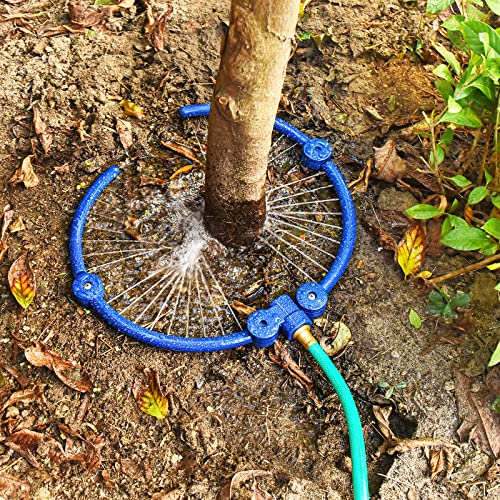
【Specially Designed for Trees and Shrubs】 The Watering Ring is a multi-purpose irrigation ring that attaches to a garden hose to efficiently water young trees shrubs vegetables or flower beds using drip or trickle irrigation.It directs water to the root perimeter of the plant to give them a good start during the first two growing seasons or through periods of drought.

Deep Watering Strategies for Apricot Trees
Deep watering is essential for the health of apricot trees, especially in the unique coastal soil conditions of Chesapeake, VA. Implementing effective strategies can help ensure that these trees receive adequate moisture, promoting strong root development and overall vitality. Understanding how to properly water can make a significant difference in their growth and fruit production.
Deep watering once a week encourages root growth.
Mulching around the base retains moisture and regulates soil temperature.
Drip irrigation systems can provide consistent moisture without waterlogging.
Monitor soil moisture regularly to avoid over or under-watering.
Chesapeake Apricot Tree Pest Control
Managing pests is crucial for the health of apricot trees in Chesapeake, VA, where the coastal climate can attract various threats. Effective pest control strategies not only protect the trees but also enhance fruit quality and yield. Understanding the specific pests that target apricot trees in this region will help growers implement timely and effective management practices.
Pest and disease issues can threaten apricot trees in Chesapeake. Common pests include aphids and spider mites, while diseases like brown rot can affect fruit quality.
Recommended Products

Control diseases and insects in your garden with Captain Jack’s Fruit Tree Spray Concentrate! Use on a variety of listed fruits, nuts and citrus plants.

TRIPLE PROTECTION FORMULA: 3-in-1 solution kills listed insects, controls listed diseases, and controls listed mites with one easy application

INSECT KILLER: Fast-acting formula kills listed insects including aphids, Japanese beetles, caterpillars, whiteflies, and other listed pests on contact
Pest Inspection Techniques for Apricot Trees
Effective pest management is crucial for the health of apricot trees in Chesapeake, VA, where coastal conditions can influence pest behavior. Understanding various inspection techniques can help growers identify and address infestations early, ensuring robust fruit production and tree vitality. This section explores practical methods for inspecting apricot trees to maintain their health and productivity.
Inspect trees regularly for signs of pests.
Apply organic insecticides as needed.
Prune dead or infected branches to improve air circulation.
Implementing these strategies will help maintain tree health and productivity.
Apricot Tree Fertilization Timing and Types
Understanding the optimal timing and types of fertilization is crucial for successfully growing apricot trees in Chesapeake, VA. The unique coastal soil conditions in this region require specific nutrient management strategies to ensure healthy growth and fruit production. This section delves into the best practices for fertilizing apricot trees to achieve robust yields.
A proper fertilization schedule is vital for optimal growth and fruit production. Timing and type of fertilizer can significantly impact tree health.
Recommended Products

Made for Potassium Support – Formulated to supply potassium for essential plant nutrition.

PREMIUM QUALITY INGREDIENTS – Cz Garden Muriate of Potash is a water soluble, high purity, premium phosphate fertilizer for all indoor/outdoor flowers, lawn, and garden vegetables.

CONTAINS: Potash is an enriched source of potassium; 0-0-60 fertilizer analysis with no sludges or fillers
Balanced Fertilizer Application for Apricots
Applying the right balance of fertilizer is crucial for the healthy growth of apricot trees in Chesapeake, VA. The coastal soil presents unique challenges, making it essential to understand nutrient needs and timing to ensure optimal fruit production. This section explores effective strategies for balanced fertilizer application tailored to local conditions.
Early spring: Apply a balanced fertilizer to support new growth.
Mid-summer: Use a potassium-rich fertilizer to enhance fruit quality.
Fall: Apply organic matter to prepare for winter.
Regular fertilization will ensure your apricot trees receive necessary nutrients throughout the growing season.
Optimal Apricot Harvesting Techniques in Chesapeake
Successfully harvesting apricots in Chesapeake requires an understanding of the region’s unique climate and soil conditions. By employing the right techniques, growers can maximize fruit quality and yield. This section explores effective methods tailored to the specific challenges and opportunities presented by the coastal environment.
Harvesting apricots at the right time is crucial for flavor and quality. Apricots typically ripen in mid to late summer in Chesapeake.
Apricot Harvesting Best Practices
Harvesting apricots at the right time is crucial for ensuring optimal flavor and quality. In Chesapeake, VA, understanding the specific conditions that affect fruit ripening can enhance your yield. This section will explore the best practices for harvesting apricots, focusing on timing, techniques, and post-harvest care to maximize your crop’s potential.
Check color: Fruit should be a rich golden hue.
Gently twist the fruit to detach it from the tree.
Handle with care to avoid bruising.
For storage, keep apricots in a cool, dry place. Refrigeration can extend shelf life, but they should be consumed within a week for best flavor.
Chesapeake Apricot Tree Care Strategies
Growing apricot trees in Chesapeake, VA, requires careful attention to the unique coastal soil conditions of the region. Understanding the specific care strategies for these trees is essential for successful cultivation, ensuring they thrive in the local climate and produce abundant fruit. This section outlines effective techniques tailored to the area’s environmental challenges.
Growing apricot trees in Chesapeake, VA requires attention to soil care, watering practices, and pest management. Following these guidelines will help ensure a bountiful harvest. Regular monitoring and adjustments based on local conditions will enhance your success.
