

Managing olive trees in San Francisco requires special attention to fog and wind conditions. Proper techniques can enhance growth and fruit production while minimizing damage from environmental stressors.
Fog Effects on Olive Tree Health
Fog is a common weather phenomenon in San Francisco, and it can significantly affect the health of olive trees. While olive trees thrive in Mediterranean climates, excessive moisture from fog can lead to fungal diseases. This necessitates careful monitoring and management strategies to ensure the trees remain healthy.
Fog Impact on Olive Tree Health
Fog plays a significant role in the health of olive trees in San Francisco, influencing their growth and resilience. Understanding how fog interacts with these trees can help in managing their care and optimizing their environment. This section explores the effects of fog on olive tree vitality and the strategies for mitigating its impact.
Fog can create a humid environment that is conducive to various diseases. Here are some effects of fog on olive trees:
Increased risk of fungal infections
Reduced sunlight exposure
Potential for lower fruit yields
Fog Management Techniques for Olive Trees
San Francisco’s unique climate, characterized by fog and wind, presents specific challenges for cultivating olive trees. Understanding effective fog management techniques is essential for ensuring the health and productivity of these trees in such conditions. This section explores various strategies that can help mitigate the impact of fog and wind on olive cultivation in the region.
To combat the adverse effects of fog, consider the following strategies:
Select disease-resistant varieties
Prune trees to improve air circulation
Apply fungicides as a preventive measure
Effective Wind Protection for Olive Trees
Olive trees thrive in San Francisco’s unique climate, but their growth can be hindered by strong winds. Implementing effective wind protection strategies is essential to ensure these trees flourish in the city’s foggy environment. Understanding the best practices for safeguarding olive trees will help maintain their health and productivity.
Wind can pose a serious threat to olive trees in San Francisco, especially during strong gusts. Wind can cause physical damage to branches and impede pollination. Implementing effective wind management techniques is essential for maintaining tree health.
Recommended Products

Size: Deer netting size 7 feet x 100 feet; garden netting mesh size 3/4"; color: black; Easy to use accessories included: 10pcs installation nails & 50pcs cable ties

Protect Your Vegetables and Fruits: LCHUANG Garden Netting is great for orchards, greenhouses, gardens, nurseries, patios, and shrubs. This Bird Netting with a zipper can protect blueberries, tomatoes, trees, fruits, flowers, vegetables, and potted plants from insects, birds, and bugs, which helps the plants grow normally.
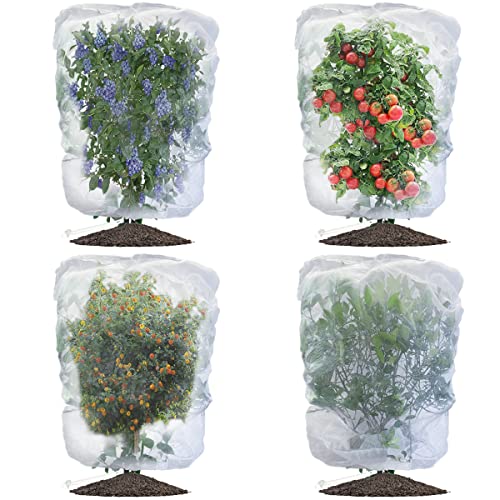
BIRD GARDEN NETTING BAGS with DRAWSTRING: You will receive 4pcs garden netting which 2.3 x 3.5ft, perfect for various plants such as fruit trees, blueberry shrubs, large potted plants, flowers, etc. The large fruit tree covers bags effectively prevents small animals or birds from damaging your plants or fruit, ensuring obtaining more harvest
Wind Damage Indicators for Olive Trees
Understanding the impact of wind on olive trees is crucial for their health and productivity in San Francisco’s unique climate. This section explores the various indicators of wind damage, helping growers identify and address potential threats to their olive trees. By recognizing these signs early, effective management strategies can be implemented to ensure robust growth and fruit production.
Recognizing the signs of wind damage is crucial for timely intervention. Common symptoms include:
Broken or bent branches
Leaf drop
Stunted growth
Wind Protection Strategies for Olive Trees
Olive trees thrive in San Francisco’s unique climate, but they face challenges from wind and fog. Understanding effective wind protection strategies is essential for ensuring their health and productivity. This section explores various methods to shield olive trees from harsh winds, helping them flourish in the city’s coastal environment.
To protect olive trees from wind damage, consider these actions:
Install windbreaks using fences or shrubs
Stake young trees for added stability
Mulch around the base to retain moisture and reduce stress
Ideal Olive Tree Planting Areas in San Francisco
San Francisco’s unique climate, characterized by fog and wind, presents both challenges and opportunities for olive tree cultivation. Identifying the ideal planting areas within the city is crucial for ensuring these trees thrive. This section explores the specific locations and conditions that support healthy olive tree growth in the diverse microclimates of San Francisco.
Choosing the right planting location is vital for the success of olive trees in San Francisco. Areas with adequate sunlight and protection from harsh winds will yield the best results.
Recommended Products

100% Natural: Special custom blend for olive trees in containers

100% Natural: Special custom blend for olive trees in containers

✅ 🌿 Unleash Olive Tree Excellence: Our premium potting mix enhances growth, health, and productivity, resulting in flourishing olive trees.
Optimal Site Selection for Olive Trees
Choosing the right location for olive trees in San Francisco is crucial for their growth and productivity. Factors such as microclimates, soil quality, and exposure to wind and fog play significant roles in ensuring these trees thrive in the unique coastal environment. Understanding these elements can lead to successful cultivation and a bountiful harvest.
When selecting a site for olive trees, consider the following factors:
Full sunlight exposure for at least six hours
Well-draining soil to prevent root rot
Sheltered areas to minimize wind exposure
Optimal Olive Tree Planting Strategies
Successfully planting olive trees in San Francisco requires careful consideration of the unique climatic challenges posed by fog and wind. Understanding the optimal strategies for planting can significantly enhance the trees’ growth and resilience. This section explores effective techniques tailored to the city’s specific environmental conditions.
Effective planting techniques can enhance the establishment of olive trees:
Dig a hole twice the width of the root ball
Mix organic compost into the soil
Water thoroughly after planting
Olive Tree Management Factors in San Francisco
San Francisco’s unique climate presents distinct challenges for olive tree cultivation, particularly due to its fog and wind patterns. Understanding how these environmental factors affect growth and health is crucial for successful management. This section delves into the specific considerations for maintaining olive trees in this coastal city.
The following table summarizes key factors for managing olive trees in San Francisco:
| Factor | Recommendation | Importance (1-5) |
|---|---|---|
| Fog Management | Prune and apply fungicides | 4 |
| Wind Protection | Install windbreaks | 5 |
| Soil Quality | Use well-draining soil | 5 |
| Sunlight | Ensure full sun exposure | 5 |
Recommended Products

Extra Large Coverage: 15ft x 15ft bird netting offers full protection for large fruit trees and plants.
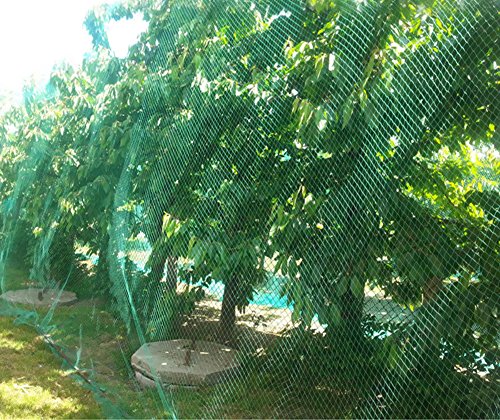
Excellent Material & Quality: Our bird netting is made of strong and durable PE with high stretch, light-weight but not tear easily; It is anti-UV and tough enough to withstand the effects of the sun and bad weather conditions, so you can use the garden netting repeatedly until the end of the season; The size of the poultry netting mesh refers to the measured length straightened from the far left to the far right

Protective bird netting effectively protects fruit, vegetation, chicken and berries from thieving birds and other other animals. Harsh Weather resistant, protect your plants without harming birds and other animals.
Seasonal Olive Tree Care Strategies
Caring for olive trees in San Francisco requires a nuanced approach, particularly due to the region’s unique climate characterized by fog and wind. Seasonal care strategies are essential for promoting healthy growth and fruit production, ensuring that these resilient trees thrive despite the challenges posed by their environment. Understanding these strategies can help both novice and experienced growers maintain robust olive trees year-round.
Seasonal care is essential for the long-term health of olive trees. Each season presents unique challenges and opportunities for growth.
Spring Olive Tree Maintenance Strategies
Spring is a crucial time for maintaining olive trees in San Francisco, where fog and wind can pose unique challenges. Understanding effective strategies for care during this season ensures healthy growth and optimal fruit production. The following maintenance tips focus on addressing these environmental factors to help your olive trees thrive.
During spring, focus on the following:
Fertilize with a balanced fertilizer
Monitor for pests like olive fruit flies
Water regularly to support new growth
Summer Care for Olive Trees
Caring for olive trees during the summer months in San Francisco requires attention to the unique climate challenges posed by fog and wind. Understanding the specific needs of these trees in this environment can help ensure their health and productivity. This section explores effective strategies for summer care that address these conditions.
In summer, maintain tree health by:
Mulching to retain soil moisture
Pruning to shape the tree
Checking for diseases due to humidity
Winter Readiness for Olive Trees
As winter approaches in San Francisco, olive trees require special attention to thrive amid the city’s unique climate challenges. Understanding how to prepare these trees for cooler temperatures, fog, and wind is essential for their health and productivity. This section outlines effective strategies to ensure your olive trees remain resilient throughout the winter months.
As fall approaches, prepare for winter by:
Harvesting ripe olives
Cleaning fallen debris to reduce disease risk
Applying a winter fertilizer to support root health
Winter Care for Olive Trees
Winter presents unique challenges for olive trees in San Francisco, particularly due to the region’s fog and wind. Proper care during this season is essential to protect these trees from harsh conditions that can hinder their growth and fruit production. Understanding the specific needs of olive trees in winter will help ensure their health and vitality throughout the colder months.
In winter, protect olive trees by:
Covering young trees during frost events
Reducing watering to prevent root rot
Inspecting for damage and making necessary repairs
Olive Tree Care Strategies for San Francisco
Regular monitoring and proactive management are key to thriving olive trees in San Francisco. Implementing the strategies outlined will help mitigate the challenges posed by fog and wind. Prioritize site selection, seasonal care, and protective measures to ensure robust growth and fruit production.
