

Olive trees can survive in North Dakota with proper care and protection against extreme cold. Utilizing specific varieties and implementing protective measures can significantly increase their chances of thriving in this challenging climate.
Hardy Olive Varieties for Cold Climates
When considering olive cultivation in North Dakota, selecting the right hardy varieties is crucial for success in extreme cold conditions. Certain olive trees have demonstrated resilience against low temperatures, making them suitable candidates for northern climates. This section explores the best options for growers looking to thrive in challenging environments.
Choosing the right olive tree variety is crucial for successful growth in North Dakota’s harsh winters. Some varieties are more resilient to cold temperatures and can withstand frost better than others. Look for the following options:
Arbequina: Known for its adaptability and cold tolerance.
Frantoio: Offers good disease resistance and can handle colder climates.
Koroneiki: A robust variety that can endure lower temperatures.
These varieties are more likely to survive and produce fruit in North Dakota.
Recommended Products

Easy to Grow – Requires minimal care and thrives in full sun or partial shade
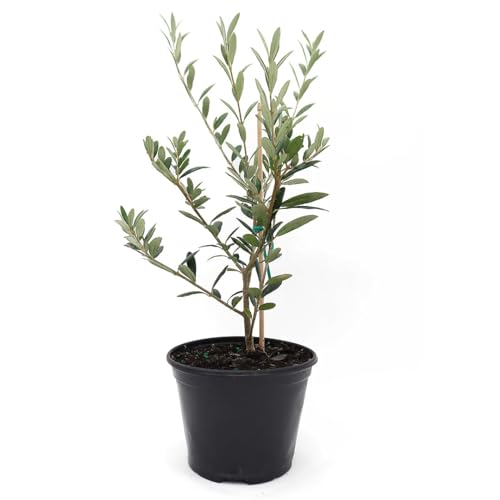
TIMELESS ELEGANCE: The Olive Tree is a symbol of timeless elegance and grace. With its slender, silvery leaves and twisting branches, this tree adds a touch of Mediterranean charm to any home. Embrace the beauty of ancient civilizations as you bring the allure of olive groves to your own garden or home.

2 Arbequina Olive Live Trees Plant for Planting, Very Cold Hardy, Well-rooted, 4-7 Inches, 5 Months Old
Cold Hardiness Zones for Olive Trees
Understanding the cold hardiness zones is crucial for determining whether olive trees can thrive in North Dakota’s harsh climate. This section explores the specific temperature ranges and conditions that affect olive tree survival, providing insights into their adaptability and the challenges they face in extreme cold environments.
North Dakota falls within USDA Hardiness Zones 3 to 4, which can pose challenges for growing olive trees. Understanding these zones helps in selecting the right varieties and planning protective measures.
Zone 3: Minimum temperatures can drop to -30°F.
Zone 4: Minimum temperatures can drop to -20°F.
Olive trees generally thrive in Zones 8 to 10, making them less suited for extreme cold. However, with careful planning, they can still be cultivated successfully.
| Zone | Minimum Temperature | Olive Tree Survival |
|---|---|---|
| 3 | -30°F | Low |
| 4 | -20°F | Moderate |
| 5 | -10°F | High |
Winter Protection Strategies for Olive Trees
Olive trees, typically associated with warmer climates, face significant challenges in North Dakota’s harsh winters. To ensure their survival, specific winter protection strategies are essential. This section explores effective methods to shield olive trees from extreme cold, helping gardeners maintain these delicate plants in a less-than-ideal environment.
Preparation is essential for ensuring olive trees survive the winter months. Implement the following strategies to protect your trees:
Site Selection: Choose a location with maximum sunlight exposure and wind protection. South-facing slopes are ideal.
Soil Preparation: Use well-draining soil to prevent root rot. Amend with organic matter to enhance drainage.
Mulching: Apply a thick layer of mulch around the base to insulate roots and retain moisture.
These steps help create a more favorable microclimate for the trees.
Winter Protection Strategies for Olive Trees
Olive trees are not typically associated with the harsh winters of North Dakota, but with the right strategies, they can survive the extreme cold. This section explores effective winter protection methods that can help safeguard these trees from freezing temperatures and ensure their health and vitality throughout the cold months.
Once the trees are established, additional winter protection techniques can further enhance their survival chances. Consider these methods:
Wrap Trees: Use burlap or tree wrap to protect trunks from frost damage.
Cold Frames: Construct cold frames or mini-greenhouses to shield young trees from extreme temperatures.
Heat Sources: Employ heat lamps or heating cables for added warmth during severe cold spells.
These protective measures can significantly mitigate the effects of harsh winter conditions.
Winter Care Practices for Olive Trees
Caring for olive trees in North Dakota’s harsh winters requires specific strategies to ensure their survival. These practices focus on protecting the trees from extreme cold and frost damage, allowing them to thrive despite the challenging climate. Understanding the right winter care techniques is essential for any gardener looking to cultivate these Mediterranean plants in a northern environment.
Regular monitoring and care are vital for the health of olive trees during winter. Here are key practices to follow:
Watering: Ensure trees receive adequate moisture before the ground freezes. This helps prevent dehydration.
Pruning: Prune trees in late winter to remove any damaged branches and improve airflow.
Fertilizing: Avoid fertilizing in late fall as this can stimulate new growth that is vulnerable to cold.
Maintaining proper care during winter months is essential for the overall health of olive trees.
Olive Tree Growth in Cold Climates
Growing olive trees in cold climates presents unique challenges, particularly in regions like North Dakota where extreme temperatures can hinder their survival. Understanding the specific conditions that affect olive tree growth in these environments is crucial for successful cultivation. This section explores the adaptability of olive trees and the strategies that can be employed to enhance their resilience against harsh winters.
After implementing protective measures, assess the growth and adaptation of your olive trees each spring. Look for signs of new growth and overall health.
Leaf Health: Check for vibrant green leaves as an indicator of successful winter survival.
Fruit Production: Monitor for fruit development in the growing season, which indicates the tree is thriving.
Regular assessment allows for timely interventions if any issues arise.
Successful Olive Cultivation in Cold Climates
Growing olive trees in cold climates like North Dakota presents unique challenges, but with the right techniques and varieties, success is possible. This section explores effective strategies for cultivating olives in extreme cold, highlighting the necessary conditions and care needed to ensure these trees thrive despite harsh winters. Discover how to adapt olive cultivation to withstand the rigors of northern climates.
Growing olive trees in North Dakota requires careful selection of varieties, preparation for cold, and ongoing monitoring. The right practices can lead to successful cultivation despite the challenges posed by extreme cold.
Ensure you are prepared for the unique demands of this climate to maximize your chances of success.
