

Growing orange trees in pots in New Mexico’s high desert is achievable with the right techniques. Proper care and selection of suitable varieties can lead to successful fruit production even in challenging climates.
Best Orange Tree Varieties for High Desert
Selecting the right orange tree variety is crucial for successful cultivation in New Mexico’s high desert climate. With its unique challenges, including temperature fluctuations and arid conditions, certain varieties thrive better than others. This section explores the best orange tree options that can flourish in potted environments, ensuring vibrant growth and fruitful yields.
Choosing the right orange tree variety is crucial for success in New Mexico’s high desert. Some varieties are more tolerant of heat and drought, making them ideal for potted growth. Consider the following options:
Navel Orange: Known for its sweet flavor and seedless fruit, it thrives in warmer climates.
Valencia Orange: Excellent for juicing, this variety is heat-tolerant and productive.
Blood Orange: Offers unique flavor and color, suitable for containers with proper care.
Recommended Products

For sale is one Clementine Mandarin tree that is approximately 2-5 inches tall and shipped in a pot

【Ultra-Realistic Look】This artificial oranges tree with white pot features lifelike yellow oranges and detailed green leaves with clear veins, creating an authentic natural appearance hard to tell from real. Foliage and textured branches of the artificial bonsai tree mimic real citrus tree traits, adding a fresh touch to any space.

Package Includes: you will receive 2 artificial orange trees with realistic patterns and bright colors, which make people feel like they are in a real orange tree and enhance the beauty of the environment
Orange Variety Data for High Desert Cultivation
Understanding the best orange varieties for high desert cultivation is crucial for successful potted growth in New Mexico. This section compiles essential data on various orange types, highlighting their adaptability and performance in arid conditions. By focusing on specific traits and requirements, it aims to guide growers in selecting the most suitable options for their unique environment.
| Variety | Flavor Profile | Heat Tolerance | Best Pot Size | Average Yield |
|---|---|---|---|---|
| Navel Orange | Sweet | High | 15-20 gallons | 50-100 lbs |
| Valencia Orange | Juicy | High | 15-20 gallons | 60-120 lbs |
| Blood Orange | Tart-Sweet | Moderate | 10-15 gallons | 30-80 lbs |
Potting Mix for High Desert Growth
Choosing the right potting mix is crucial for the success of orange trees in New Mexico’s high desert environment. The unique challenges posed by this climate require a blend that retains moisture while ensuring proper drainage and aeration. Understanding the components of an effective potting mix will help you cultivate healthy, thriving orange trees in pots.
Creating the right potting conditions is essential for healthy growth. The potting mix should be well-draining to prevent root rot. Follow these steps to optimize conditions:
Choose a container with drainage holes.
Use a mix of potting soil, sand, and perlite for aeration.
Ensure adequate sunlight by placing pots in a south-facing location.
Optimal Pots for High Desert Orange Trees
Choosing the right pot for orange trees in New Mexico’s high desert is crucial for their growth and fruit production. The unique climate conditions require careful consideration of pot materials, sizes, and drainage features to ensure the trees thrive. This section explores the best pot options to support successful potted orange trees in this challenging environment.
Containers: 10-20 gallon pots for optimal growth.
Potting Mix: Use a blend that retains moisture but drains well.
Fertilizer: Select a slow-release citrus fertilizer for balanced nutrients.
High Desert Watering and Fertilizing Tips
Successfully growing orange trees in pots in New Mexico’s high desert requires careful attention to watering and fertilizing. The region’s unique climate presents challenges, but with the right techniques, you can ensure your potted trees thrive. This section provides essential tips for maintaining optimal moisture levels and nutrient balance for healthy, productive orange trees.
Proper watering and fertilizing are critical for potted orange trees. The high desert climate can lead to rapid moisture loss. Implement these practices:
Water deeply once a week, adjusting frequency based on temperature and humidity.
Fertilize every 6-8 weeks during the growing season with a balanced fertilizer.
Monitor for signs of nutrient deficiency, such as yellowing leaves.
Recommended Products

Use on new or existing in-ground citrus, avocado and mango trees

Package contains 4 Pounds organic fruit and citrus fertilizer grains and is produced to avoid wasteful runoff, mess, hazards and smells
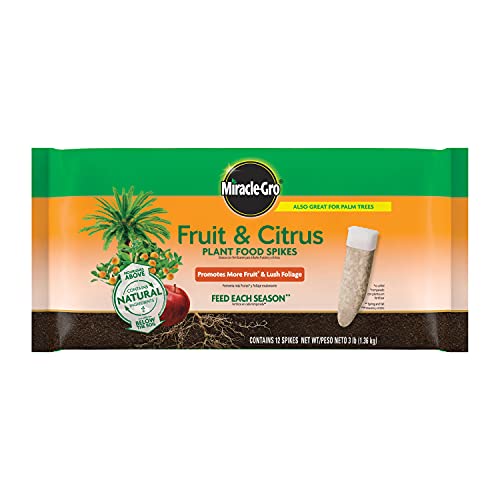
FORMULATED FOR CITRUS AND FRUIT TREES: Use these citrus fertilizer spikes on apple, orange, lemon, lime, and avocado trees; this formula is also great for feeding palm trees
Potted Orange Tree Watering Techniques
Successfully growing orange trees in pots in New Mexico’s high desert requires careful attention to watering techniques. The arid climate can quickly dry out soil, making it essential to adopt effective strategies that ensure your potted orange trees receive the right amount of moisture. Understanding these methods will help you maintain healthy, thriving trees in challenging conditions.
Water when the top inch of soil feels dry.
Avoid waterlogging by ensuring pots have good drainage.
Use mulch to retain moisture and regulate soil temperature.
Pest Threats for Potted Orange Trees
Potted orange trees in New Mexico’s high desert face unique pest challenges that can threaten their health and productivity. Understanding these specific pests and their impact is crucial for successful cultivation. This section explores the common threats to potted orange trees and offers insights on effective management strategies.
Potted orange trees can face various pests and diseases. Regular monitoring and proactive measures can prevent significant issues. Focus on these common threats:
Aphids: Small insects that can weaken plants. Use insecticidal soap for control.
Spider Mites: These pests thrive in dry conditions. Increase humidity or use neem oil.
Citrus Canker: A bacterial disease causing leaf lesions. Remove affected leaves promptly.
High Desert Pest Management Strategies
Managing pests in the high desert can be challenging, especially for potted orange trees. With the unique climate and environmental factors in New Mexico, it’s essential to adopt effective strategies tailored to this region. Understanding common pests and their management will help ensure your orange trees thrive despite the harsh conditions.
| Pest | Control Method | Frequency |
|---|---|---|
| Aphids | Insecticidal soap | Every 2 weeks |
| Spider Mites | Neem oil | Weekly as needed |
| Citrus Canker | Prune affected areas | As needed |
Seasonal Care Adjustments for Potted Oranges
Caring for potted orange trees in New Mexico’s high desert requires seasonal adjustments to ensure their health and productivity. The unique climate presents challenges such as temperature fluctuations and varying moisture levels, necessitating tailored strategies for each season. Understanding these adjustments can help gardeners cultivate thriving citrus trees in their pots.
Seasonal changes require adjustments in care for orange trees in pots. Understanding these needs can help maintain health and productivity.
Spring: Focus on fertilization and pest monitoring as new growth appears.
Summer: Increase watering frequency and provide shade during extreme heat.
Fall: Prepare for cooler temperatures by reducing watering and fertilizing.
Winter: Protect pots from freezing temperatures by moving them indoors or insulating them.
Temperature Management for Potted Orange Trees
Successfully growing orange trees in pots in New Mexico’s high desert requires careful temperature management. The region’s extreme temperature fluctuations can challenge even the hardiest of plants, making it essential to understand how to protect your potted trees from both the heat and cold. This section explores effective strategies for maintaining optimal conditions for your orange trees year-round.
Monitor temperature changes closely.
Adjust watering based on seasonal humidity levels.
Use frost cloths for added protection during cold snaps.
Potted Orange Tree Care Guidelines
To successfully grow orange trees in pots in New Mexico’s high desert, select the right varieties and optimize growing conditions. Monitor watering and fertilizing closely, and be vigilant against pests and diseases. Adjust care based on seasonal changes to ensure healthy growth and bountiful fruit production.
