

What’s the secret to getting your fruit trees to thrive? If you’ve ever stared at your trees wondering why they’re not producing as much fruit as you’d hoped, you’re not alone. Many gardeners face the challenge of knowing exactly what to feed their trees to keep them healthy and productive.
Key Takeaways
- Understand Nutrient Needs: Recognize that fruit trees require a mix of macronutrients (nitrogen, phosphorus, potassium) and micronutrients (calcium, magnesium, iron) for optimal health and fruit production.
- Consider Influencing Factors: Assess tree age, soil quality, climate, and watering practices, as these factors significantly impact your trees’ nutritional requirements.
- Choose the Right Fertilizer: Select between organic options (like compost and manure) or synthetic fertilizers (such as granular or liquid) based on your gardening style and specific tree needs.
- Develop a Feeding Schedule: Feed your fruit trees during key seasons—spring for new growth, summer for sustaining production, and fall to prepare for dormancy—while adjusting frequency based on fertilizer type.
- Avoid Over and Under-Fertilization: Monitor your trees for signs of nutrient imbalances and adjust feeding accordingly to promote healthy growth and prevent stress.
- Regular Soil Testing: Perform soil tests every few years to tailor your fertilization strategy effectively and ensure your trees receive the necessary nutrients.
Understanding Your Fruit Trees’ Needs
Understanding your fruit trees’ specific needs ensures healthy growth and abundant fruit production. Each type of fruit tree requires distinct nutrients for optimal health.
Nutrient Requirements
Fruit trees primarily need three macronutrients: nitrogen, phosphorus, and potassium.
- Nitrogen promotes vigorous growth and leafy foliage.
- Phosphorus supports root development and flowering.
- Potassium enhances fruit quality and overall resistance to diseases.
Micronutrients like calcium, magnesium, and iron also play crucial roles. Calcium strengthens cell walls, magnesium aids in photosynthesis, and iron is essential for chlorophyll formation. Consider your soil type and perform a soil test to determine existing nutrient levels, which helps guide your feeding strategy.
Factors Influencing Nutrition
Several factors influence the nutritional needs of your fruit trees.
- Tree Age: Younger trees often require different nutrients compared to mature trees. Nutrient needs evolve from establishment to maturity.
- Soil Quality: Soil pH and texture affect nutrient availability. Sandy soils drain quickly but may lack nutrients, while clay soils retain moisture and sometimes hinder root growth.
- Climate and Location: Different climates impact growth rates and nutrient absorption. Trees in warmer climates might need more frequent feeding.
- Watering Practices: Adequate watering influences nutrient uptake. Overwatering can flush nutrients, while drought conditions may hinder nutrient absorption.
Regularly assess these factors for proper fruit tree nutrition.
Types of Fertilizers
Selecting the right type of fertilizer is crucial for the health of your fruit trees. Here’s a breakdown of your options:
Recommended Products

Nutrient-Rich Organic Compost for Healthy Soil: Support stronger plant growth with this premium organic compost made from dairy cow manure. This all purpose soil amendment helps replenish essential nutrients often depleted after harvests, making it ideal for vegetable gardens, fruit trees, flowers, lawns and container plants.

Package contains 4 Pounds organic fruit and citrus fertilizer grains and is produced to avoid wasteful runoff, mess, hazards and smells

Package contains 4 Pounds organic fruit and nut fertilizer grains and is produced to avoid wasteful runoff, mess, hazards and smells
Organic Options
Organic fertilizers enrich the soil using natural materials. They improve soil structure and promote beneficial microorganisms. Common organic options include:
- Compost: Adds nutrients and improves soil quality. Use aged compost around the base of your tree in spring.
- Manure: Rich in nutrients, it should be well-aged to prevent burning roots. Apply in early spring.
- Bone Meal: High in phosphorus, it supports root development and flower production. Mix into the soil before planting.
- Fish Emulsion: Provides a quick nutrient boost, rich in nitrogen. Dilute and apply every few weeks during the growing season.
Synthetic Options
Synthetic fertilizers provide a precise nutrient mix for your trees. They release nutrients quickly and are easily absorbed. Key synthetic options include:
- Granular Fertilizers: Often balanced N-P-K blends (e.g., 10-10-10) that supply all necessary macronutrients. Apply according to label instructions in spring.
- Liquid Fertilizers: Fast-acting options that need dilution. These can be used for a rapid nutrient boost during growing seasons.
- Slow-Release Fertilizers: Gradually supply nutrients over time, reducing the frequency of application. Apply in early spring for long-lasting effects.
Choosing between organic and synthetic depends on your gardening philosophy and the specific needs of your fruit trees.
Feeding Schedules
Understanding when to feed your fruit trees can significantly impact their health and productivity. Developing a feeding schedule based on seasonal needs and frequency ensures your trees receive essential nutrients at the right times.
Seasonal Considerations
Spring is the ideal time to provide the first feeding. As trees emerge from dormancy, nitrogen-rich fertilizers support new growth. During summer, a second feeding helps sustain growth and fruit development. In late summer to early fall, reduce nitrogen and add phosphorus and potassium to prepare trees for winter dormancy. Monitoring weather conditions is crucial, as wet springs or dry summers may alter when and how much fertilizer to apply.
Frequency of Feeding
Feeding frequency depends on the type of fertilizer you choose. For organic fertilizers, apply every 4 to 6 weeks to maintain nutrient levels. Synthetic fertilizers usually require less frequent application, typically every 6 to 8 weeks, due to their concentrated nutrients. Always follow the manufacturer’s recommendations for specific rates and timing. Keep an eye on your trees—adjust feeding based on growth responses and overall tree health.
Common Mistakes
Avoiding common mistakes can enhance the health and productivity of your fruit trees. Recognizing signs of over-fertilization and under-fertilization helps ensure your trees thrive.
Recommended Products
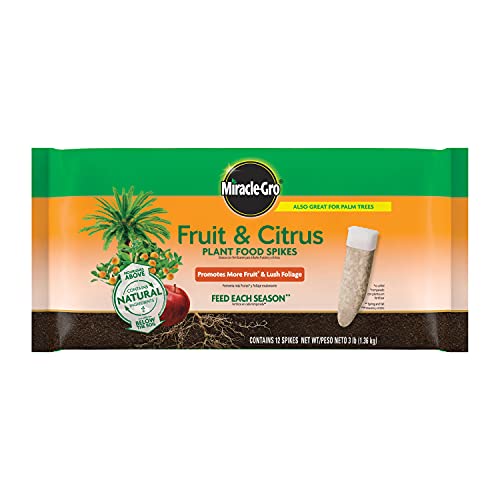
FORMULATED FOR CITRUS AND FRUIT TREES: Use these citrus fertilizer spikes on apple, orange, lemon, lime, and avocado trees; this formula is also great for feeding palm trees

Made for Lemon & Citrus Trees – Formulated to support healthy growth in lemon and citrus plants.

Quick, at home results for Soil pH, Nitrogen, Phosphorous and Potash Innovative and inexpensive soil test kit features an easy-to-use capsule system and patented color comparators
Over-Fertilization
Over-fertilization often leads to nutrient imbalances, harming your fruit trees. Excess nitrogen can result in excessive foliage growth at the expense of fruit production. You might notice burned leaf edges or unusual leaf drop, indicating stress. For instance, if you apply a high-nitrogen fertilizer too frequently, your trees may focus on growing leaves instead of fruits.
To prevent over-fertilization, follow these tips:
- Read Labels: Pay attention to fertilizer instructions for proper application rates.
- Conduct Soil Tests: Test your soil every few years to determine nutrient levels. This helps tailor your fertilizing approach.
- Observe Your Trees: Monitor your trees’ growth patterns to adjust feeding schedules accordingly.
Under-Fertilization
Under-fertilization can stunt the growth of your fruit trees and reduce fruit yield. Your trees might display yellowing leaves or smaller-than-normal fruits if they lack essential nutrients. For example, if your trees show poor growth during the growing season, it could signal insufficient nutrient intake.
To avoid under-fertilization, consider these actions:
- Regularly Assess Your Soil Quality: Ensure your soil contains the necessary nutrients. Consider soil amendments if deficiencies are found.
- Use Balanced Fertilizers: Opt for fertilizers that include a balanced mix of nitrogen, phosphorus, and potassium to support overall tree health.
- Schedule Feedings: Develop a feeding schedule based on your trees’ specific needs and the type of fertilizer you use. Regular feedings promote steady growth and fruit development.
By staying aware of these common mistakes, you can effectively nurture your fruit trees and ensure they produce a bountiful harvest.
Conclusion
Taking care of your fruit trees means understanding their unique needs. By providing the right nutrients at the right times you can boost their health and productivity. Remember to choose between organic and synthetic fertilizers based on what works best for you and your trees.
Stay vigilant about your trees’ responses to feeding and adjust as needed. With a little attention and care you’ll be on your way to enjoying a bountiful harvest. Happy gardening!
Frequently Asked Questions
What nutrients do fruit trees need for optimal growth?
Fruit trees primarily require three macronutrients: nitrogen, phosphorus, and potassium. Nitrogen supports growth, phosphorus aids root development, and potassium enhances fruit quality. Additionally, micronutrients like calcium, magnesium, and iron are also essential for overall health.
How do soil quality and tree age affect nutrient needs?
Soil quality influences nutrient availability, while tree age determines how much and what types of nutrients are necessary. Younger trees have different needs compared to mature ones, so regular assessment is crucial for proper care.
What types of fertilizers are recommended for fruit trees?
Fertilizers for fruit trees come in organic and synthetic options. Organic fertilizers, such as compost and manure, enhance soil health naturally, while synthetic fertilizers offer precise nutrient mixes for quick absorption. The choice depends on your gardening philosophy and needs.
How often should I feed my fruit trees?
Feeding schedules vary by fertilizer type. Organic fertilizers should be applied every 4 to 6 weeks, while synthetic ones are usually applied every 6 to 8 weeks. Spring is the best time to start with nitrogen-rich fertilizers for new growth.
What are common mistakes to avoid when fertilizing fruit trees?
Over-fertilization can cause nutrient imbalances, resulting in excessive foliage and poor fruit production, evident through burned leaves. Under-fertilization can stunt growth and yield smaller fruits. Regular soil testing and monitoring tree responses can help prevent these mistakes.
