

Growing olive trees in Los Angeles requires specific techniques to thrive in the Mediterranean climate. Proper soil conditions, watering practices, and pest management are essential for successful cultivation. This guide provides detailed insights into nurturing olive trees in this unique environment.
Olive Tree Varieties for Los Angeles Gardens
Los Angeles offers a unique climate that supports a variety of olive tree species, each with distinct characteristics and benefits. Understanding the best varieties for local gardens can enhance both aesthetics and productivity. This section explores the most suitable olive tree options for Los Angeles, ensuring successful growth and thriving landscapes.
Olive trees come in various varieties, each suited to different climates and purposes. In Los Angeles, the most common types include Arbequina, Manzanilla, and Kalamata. These varieties are known for their adaptability and high-quality fruit production.
Arbequina: Small, flavorful olives ideal for oil production.
Manzanilla: Popular for table olives and has a mild flavor.
Kalamata: Known for its rich taste and dark color, perfect for culinary uses.
Choosing the right variety is crucial for maximizing yield and ensuring successful growth.
Recommended Products
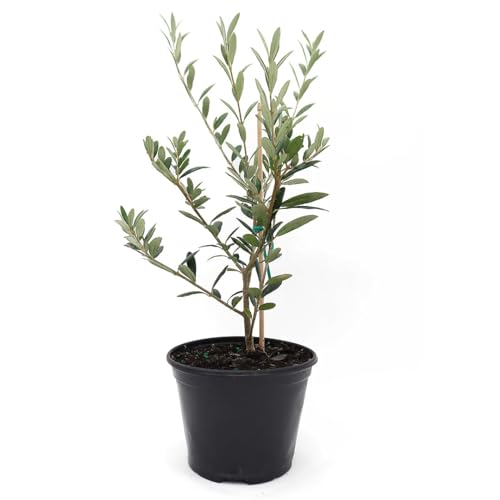
TIMELESS ELEGANCE: The Olive Tree is a symbol of timeless elegance and grace. With its slender, silvery leaves and twisting branches, this tree adds a touch of Mediterranean charm to any home. Embrace the beauty of ancient civilizations as you bring the allure of olive groves to your own garden or home.


The Olive Arbequinal plant produces an abundant harvest of flavorful olives, perfect for curing or pressing into high-quality olive oil.
Optimal Soil Conditions for Olive Trees
Understanding the optimal soil conditions for olive trees is crucial for successful cultivation in Los Angeles, where the Mediterranean climate can present unique challenges. This section delves into the specific soil types, pH levels, and drainage requirements that promote healthy growth and fruit production, ensuring that local growers can maximize their olive harvests.
Olive trees prefer well-draining soil with a pH between 6 and 8. Heavy clay or overly sandy soils can hinder growth. Conducting a soil test is beneficial for determining nutrient levels and pH balance.
| Soil Type | pH Level | Drainage Quality |
|---|---|---|
| Sandy Loam | 6.0 – 7.5 | Excellent |
| Clay Loam | 6.5 – 8.0 | Moderate |
| Heavy Clay | 5.5 – 6.5 | Poor |
Improving soil drainage can involve adding organic matter or sand. Proper soil preparation promotes healthy root development and enhances overall tree vigor.
Irrigation Strategies for Thriving Olive Trees
Effective irrigation is crucial for the health and productivity of olive trees in Los Angeles, where Mediterranean conditions can pose unique challenges. Understanding the right strategies for watering can enhance growth, improve fruit quality, and ensure the trees thrive in this climate. This section explores the best practices for irrigating olive trees to achieve optimal results.
Watering is critical for olive tree establishment and growth. While olive trees are drought-tolerant, they require consistent moisture during the first few years.
Initial Watering: Water deeply once a week for the first year.
Established Trees: Reduce frequency to every two weeks in summer.
Mulching: Apply a layer of mulch to retain moisture and regulate soil temperature.
Monitoring soil moisture levels is essential to avoid overwatering, which can lead to root rot.
Recommended Products
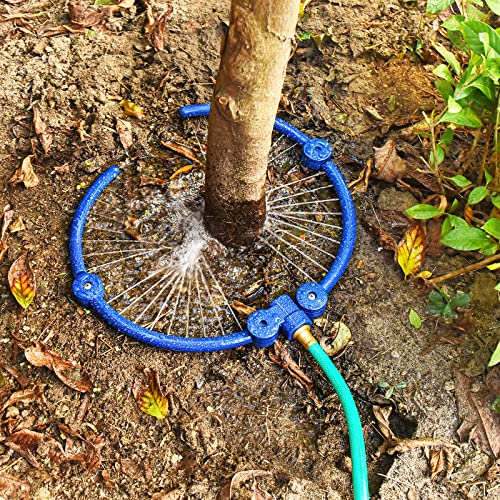
【Specially Designed for Trees and Shrubs】 The Watering Ring is a multi-purpose irrigation ring that attaches to a garden hose to efficiently water young trees shrubs vegetables or flower beds using drip or trickle irrigation.It directs water to the root perimeter of the plant to give them a good start during the first two growing seasons or through periods of drought.

NO MORE HARD INSTALLATION - SET UP IN MINUTES. Tired of struggling with stiff barbed fittings? This drip irrigation system features quick-connect fittings that let you push, lock, and secure tubing effortlessly. No tools, no leaks, just a smooth setup experience. Enjoy a frustration-free installation and get your garden watering system running in minutes.

🍀【Extra-Long 50FT 5/16” Mainline Tubing】 With 50 feet of premium 5/16” main tubing, you have more flexibility to build a central watering path across larger garden layouts. The enhanced flow capacity supports multiple emitters with consistent water pressure throughout your irrigation zones.
Integrated Pest Control for Olive Trees
Managing pests effectively is crucial for the health of olive trees in Los Angeles, where Mediterranean conditions can foster various challenges. Integrated Pest Control combines biological, cultural, and chemical strategies to protect these trees, ensuring they thrive in the local environment. Understanding these methods will help maintain the vitality and productivity of olive groves in the region.
Pests can significantly impact olive tree health. Common pests include olive fruit flies and scale insects. Implementing integrated pest management strategies can help mitigate these issues.
Regular Inspections: Check trees weekly for signs of pests.
Natural Predators: Introduce beneficial insects like ladybugs.
Organic Sprays: Use neem oil or insecticidal soap as a preventive measure.
Keeping a close eye on pest activity ensures early intervention and protects the trees from damage.
Recommended Products
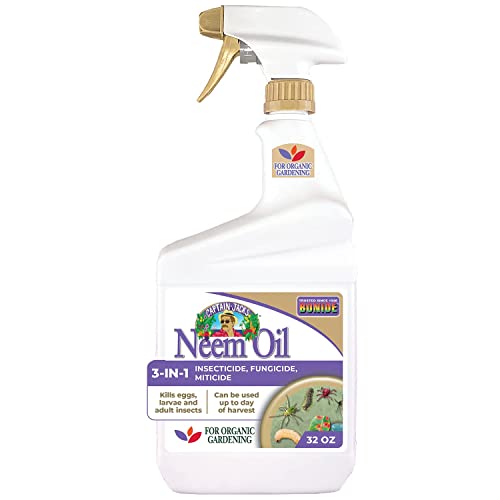
Protect your oasis with 3 garden products in 1 from Captain Jack’s; Bonide Captain Jack’s Ready-to-Use Neem Oil spray for plants is a multi-purpose fungicide, insecticide and miticide for your lawn & garden

READY-TO-USE CONTACT SPRAY: No mixing required. Thoroughly spray insecticide on all plant parts, including the underside of leaves. Pests must be sprayed directly to achieve control

FUNGAL DISEASE CONTROL: Prevents and controls black spot on roses, powdery mildew, rust, downy mildew, and other listed fungal diseases when applied on a 7–14 day schedule
Optimal Fertilizer Techniques for Olive Trees
Fertilizing olive trees in Los Angeles requires a tailored approach to ensure healthy growth and optimal fruit production. Understanding the specific nutritional needs of these Mediterranean plants is essential for thriving in the local climate. This section explores effective fertilizer techniques that can enhance the vitality and yield of olive trees in the region.
Fertilizing olive trees correctly can enhance growth and fruit production. A balanced fertilizer with a ratio of 10-10-10 or similar is typically recommended.
Spring Application: Apply fertilizer in early spring before new growth.
Soil Testing: Conduct tests every few years to adjust nutrient levels.
Organic Options: Consider compost or well-rotted manure as natural fertilizers.
Proper fertilization supports healthy foliage and fruit development, ensuring a bountiful harvest.
Olive Harvesting Timing and Techniques
Understanding the timing and techniques for harvesting olives is crucial for maximizing yield and quality in Los Angeles’ unique Mediterranean climate. This section delves into the optimal periods for harvesting olives, along with effective methods that ensure the best flavor and texture, tailored specifically for local growers.
Harvesting olives requires careful timing and technique to ensure the best flavor and quality. Olives are typically harvested in late fall to early winter when they reach full color.
Hand Harvesting: Gently pick olives to avoid bruising.
Mechanical Harvesting: Use specialized equipment for larger orchards.
Timing: Monitor fruit color and firmness for optimal harvesting time.
Proper harvesting practices can significantly affect the quality of the oil or table olives produced.
Olive Tree Cultivation Regulations in Los Angeles
Understanding the regulations surrounding olive tree cultivation in Los Angeles is essential for both novice and experienced gardeners. These guidelines not only ensure compliance with local laws but also promote sustainable practices that benefit the environment. Familiarizing yourself with these rules will help you successfully grow and maintain olive trees in this Mediterranean climate.
Understanding local regulations and resources is vital for successful olive tree cultivation in Los Angeles.
Local Nurseries: Source healthy seedlings from reputable nurseries.
Water Regulations: Be aware of local water conservation laws.
Community Resources: Join local gardening clubs for support and advice.
Utilizing local resources can enhance your cultivation experience and ensure compliance with regulations.
Soil Moisture and Pest Management for Olive Trees
Understanding soil moisture and effective pest management is crucial for cultivating healthy olive trees in Los Angeles. The unique Mediterranean climate presents specific challenges and opportunities that require tailored strategies. This section explores essential practices to optimize soil conditions and protect olive trees from common pests, ensuring robust growth and fruitful yields.
Regular monitoring of soil moisture and pest activity is essential for maintaining healthy olive trees. Neglecting these factors can lead to poor growth and reduced yields.
