

Growing apricot trees in Texas is feasible with the right care and selection. Choosing the right variety and understanding local climate conditions are essential for successful cultivation.
Best Apricot Varieties for Texas Climate
Choosing the right apricot variety is crucial for thriving in Texas’s unique climate. Varieties such as Katy and Tilton are well-suited for the state’s warmer regions. These varieties are known for their resistance to diseases and adaptability to varying soil types.
Recommended Products



Top Apricot Varieties for Texas Gardens
When cultivating apricot trees in Texas, selecting the right variety is crucial for success. The state’s unique climate and soil conditions favor specific types of apricots that thrive and produce fruit effectively. This section highlights the top varieties suited for Texas gardens, ensuring gardeners can make informed choices for a fruitful harvest.
| Variety | Description | Best Use |
|---|---|---|
| Katy | Early ripening, sweet flavor | Fresh eating |
| Tilton | Medium-sized, good for canning | Preserves and jams |
| Moorpark | Large fruit, rich taste | Dried apricots |
Selecting the appropriate variety will enhance your chances of a successful harvest.
Texas Climate Impact on Apricot Growth
Texas’s diverse climate plays a crucial role in the successful cultivation of apricot trees. From the hot, arid regions to the more temperate areas, understanding how local weather patterns affect growth and fruiting is essential for gardeners. This section explores the specific climatic factors that influence apricot production across the state.
Texas experiences diverse climate zones, which affects apricot growth. The state has hot summers and mild winters, making it essential to choose planting times wisely. Apricot trees require well-drained soil and full sun exposure for optimal growth.
Optimal Soil and Sunlight for Apricots
To successfully grow apricot trees in Texas, understanding the ideal soil conditions and sunlight exposure is crucial. The right combination of well-draining soil and ample sunlight can significantly influence the health and productivity of these trees. This section delves into the specific requirements that will help ensure a fruitful apricot harvest in the Lone Star State.
Soil Type: Sandy loam or clay loam is ideal.
pH Level: Aim for a pH between 6.0 and 7.0.
Sunlight: At least six hours of direct sunlight daily.
Understanding these conditions will help you create a suitable environment for your apricot trees.
Site Preparation for Apricot Trees
Preparing the right site for apricot trees is crucial for successful cultivation in Texas. Factors such as soil quality, drainage, and sunlight exposure play significant roles in ensuring healthy growth and fruitful yields. Understanding these elements will help you create an optimal environment for your apricot trees to thrive in the Lone Star State.
Proper preparation is vital for successful apricot tree planting. Start by selecting a location with well-drained soil and ample sunlight. Clear the area of weeds and debris to ensure healthy growth.
Recommended Products

Feed the soil not the plants - stimulate microbial activity in your soil and boost probability of success with all types of plants… like composting but faster

FRESH SEEDS: 5 Seeds of fruit bearing Apricot Tree to grow.

100% Natural: Special custom blend for olive trees in containers
Apricot Tree Planting Techniques
Successfully growing apricot trees in Texas requires careful attention to planting techniques that suit the state’s unique climate and soil conditions. Understanding the best practices for site selection, soil preparation, and planting depth can significantly enhance the chances of establishing healthy, productive trees. This section outlines essential methods to ensure your apricot trees thrive in the Lone Star State.
Dig a Hole: Create a hole twice the width of the root ball.
Amend Soil: Mix in compost to improve soil quality.
Position the Tree: Place the tree in the center of the hole.
Backfill: Fill the hole with soil, ensuring no air pockets remain.
Water Thoroughly: Water the tree deeply after planting.
Following these steps will provide a strong foundation for your apricot trees.
Apricot Tree Care for Optimal Growth
Caring for apricot trees in Texas requires attention to specific environmental factors and cultivation practices. The unique climate and soil conditions of the Lone Star State can significantly impact the health and productivity of these trees. Understanding the essential care techniques will ensure optimal growth and a bountiful harvest.
Regular care is essential for maintaining healthy apricot trees. This includes watering, fertilizing, and pruning. A well-maintained tree will yield a better harvest.
Recommended Products
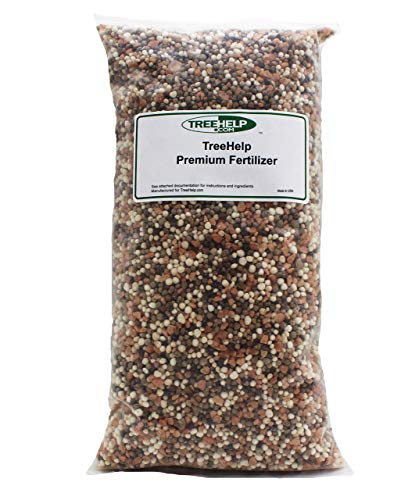
Approximately 3 Pounds

🌱 Strengthen APRICOT TREE Stalks & Prevent Breakage: Our silica formula reinforces plant cell walls, making stems and branches thick, tough, and resistant to breakage. Perfect for apricot tree plants.
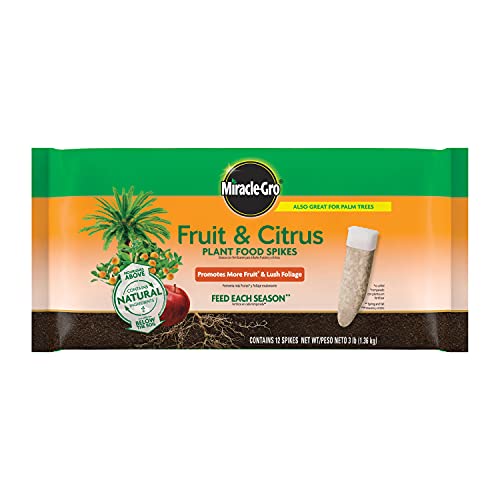
FORMULATED FOR CITRUS AND FRUIT TREES: Use these citrus fertilizer spikes on apple, orange, lemon, lime, and avocado trees; this formula is also great for feeding palm trees
Apricot Tree Watering Techniques in Texas
Watering apricot trees in Texas requires a tailored approach due to the state’s unique climate and soil conditions. Understanding the specific needs of these trees during various growth stages is essential for promoting healthy development and maximizing fruit yield. This section explores effective watering techniques that align with Texas’s environmental challenges.
Watering: Deeply water every 1-2 weeks during dry spells.
Fertilizing: Use a balanced fertilizer in early spring.
Pruning: Remove dead or diseased branches annually.
Implementing these practices will promote robust growth and fruit production.
Pest Management for Apricot Trees
Effective pest management is crucial for cultivating healthy apricot trees in Texas, where various insects and diseases can threaten their growth. Understanding the specific pests that target these trees and implementing appropriate control measures can significantly enhance yields and fruit quality. This section outlines strategies and best practices for protecting apricot trees from common threats in the Lone Star State.
Pests can threaten the health of your apricot trees. Common pests include aphids, spider mites, and fruit flies. Monitoring your trees regularly can help catch infestations early.
Pest Management Strategies for Apricot Trees
Effective pest management is crucial for the successful cultivation of apricot trees in Texas, where various pests can threaten both the health of the trees and the quality of the fruit. Understanding the specific challenges faced in this region allows growers to implement targeted strategies that minimize damage and promote robust growth. This section explores practical approaches to managing pests effectively.
Insecticidal Soap: Apply to affected areas to eliminate pests.
Neem Oil: Use as a natural pesticide.
Physical Barriers: Use row covers to protect young trees.
Taking proactive measures will safeguard your trees from potential damage.
Optimal Apricot Harvest Timing in Texas
Understanding the optimal timing for harvesting apricots is crucial for maximizing yield and flavor in Texas. The state’s unique climate and growing conditions influence when these fruits reach their peak ripeness. This section explores the best practices for determining the right time to pick apricots, ensuring a bountiful and delicious harvest.
Timing your harvest is critical for the best flavor and quality. Apricots typically ripen in late spring to early summer, depending on the variety.
Apricot Ripeness Indicators in Texas
Understanding the signs of ripeness is crucial for successfully harvesting apricots in Texas. The unique climate and growing conditions in the Lone Star State affect the timing and characteristics of fruit maturity. This section will explore the key indicators that signal when your apricots are ready for picking, ensuring optimal flavor and quality.
Color Change: Fruit should turn a golden hue.
Softness: Gently squeeze to check for slight softness.
Aroma: A sweet fragrance indicates ripeness.
Harvesting at the right time ensures optimal taste and texture.
Apricot Tree Problem Identification Guide
Growing apricot trees in Texas can be rewarding, but various challenges may arise that could hinder their success. Understanding the common problems associated with apricot cultivation is crucial for any gardener looking to thrive in the Lone Star State. This guide will help identify and address these issues effectively.
Even with the best care, issues may arise when growing apricot trees. Identifying problems early can prevent larger issues down the line.
Apricot Tree Growth Challenges and Remedies
Growing apricot trees in Texas presents unique challenges due to the state’s diverse climate and soil conditions. From extreme temperatures to pests, these factors can hinder successful cultivation. Understanding these obstacles and their remedies is essential for any gardener aiming to thrive in the Lone Star State.
| Problem | Symptoms | Solution |
|---|---|---|
| Leaf Curl | Leaves appear distorted | Apply fungicide and improve airflow |
| Poor Fruit Set | Few or no fruits | Ensure proper pollination and fertilization |
| Bark Splitting | Cracks in bark | Maintain even watering and avoid over-fertilization |
Addressing these issues promptly will help maintain the health of your apricot trees.
