

Growing olive trees in pots is feasible in Connecticut, provided you understand their specific needs. Proper care and attention to environmental conditions are essential for successful growth in New England.
Best Olive Tree Varieties for Connecticut Pots
Choosing the appropriate olive tree variety is crucial for successful growth in pots. Some varieties thrive better in cooler climates and can withstand the temperature fluctuations common in Connecticut. Look for types that are hardy and can adapt to container life.
Arbequina: Known for its adaptability and compact size, ideal for pots.
Frantoio: Offers excellent oil quality and can tolerate colder temperatures.
Koroneiki: A robust tree that produces high-quality olives, suitable for container growth.
Recommended Products

Gourmet Home Gardening: Cultivate a taste of the Mediterranean in your own backyard with the Arbequina Olive Tree. This exquisite variety is renowned for its high-quality olives, suitable for homemade olive oil and culinary creations. Elevate your cooking experience with the authentic flavors of freshly harvested olives, right from your garden

✅ 🌿 Unleash Olive Tree Excellence: Our premium potting mix enhances growth, health, and productivity, resulting in flourishing olive trees.
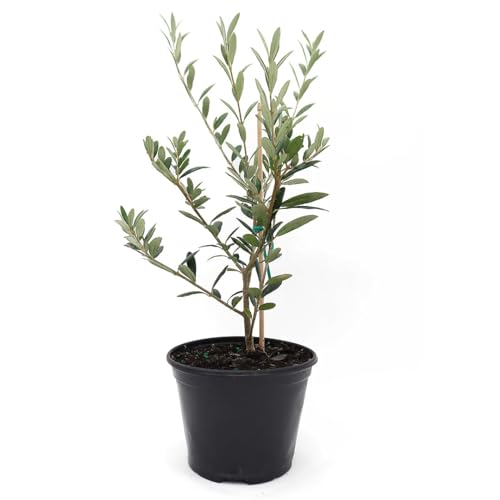
TIMELESS ELEGANCE: The Olive Tree is a symbol of timeless elegance and grace. With its slender, silvery leaves and twisting branches, this tree adds a touch of Mediterranean charm to any home. Embrace the beauty of ancient civilizations as you bring the allure of olive groves to your own garden or home.
Optimal Potting Conditions for Olive Trees
Creating the ideal environment for olive trees in pots is crucial for their growth and health, especially in Connecticut’s unique climate. Understanding the specific potting conditions, including soil type, drainage, and sunlight exposure, will help ensure these Mediterranean plants thrive in New England. This section delves into the essential factors to consider for successful pot cultivation of olive trees.
The right potting requirements ensure your olive tree has the best chance of thriving. Olive trees prefer well-draining soil and adequate space for root growth. Use a pot that allows for proper drainage and choose the right soil mix.
Pot Size: Use a pot with a minimum diameter of 12 inches.
Soil Mix: Combine potting soil with perlite or sand for better drainage.
Drainage Holes: Ensure the pot has sufficient drainage holes to prevent root rot.
Pot Care Strategies for Connecticut Olive Trees
Caring for olive trees in pots in Connecticut requires specific strategies to ensure their health and vitality. The unique climate and varying seasonal conditions present challenges that can be mitigated with proper techniques. This section outlines effective pot care strategies tailored for olive trees thriving in New England’s environment.
Proper care techniques are essential for maintaining healthy olive trees in pots. Regular watering, fertilization, and pruning will keep your tree thriving. Monitor environmental conditions to ensure optimal growth.
Watering: Water deeply but infrequently, allowing the soil to dry out between waterings.
Fertilization: Use a balanced fertilizer every 4-6 weeks during the growing season.
Pruning: Trim back excessive growth to maintain shape and encourage air circulation.
Olive Tree Seasonal Care Strategies
Caring for olive trees in pots requires a tailored approach, especially in Connecticut’s unique climate. Seasonal changes can significantly impact their health and growth, making it essential to adapt care strategies throughout the year. This section outlines effective methods to ensure your potted olive trees thrive despite the challenges of New England weather.
Seasonal changes in Connecticut require specific adjustments to your olive tree care routine. Understanding how to adapt your care will help your tree survive and thrive throughout the year.
Spring: Increase watering frequency as temperatures rise.
Summer: Provide shade during extreme heat to prevent leaf scorch.
Fall: Reduce watering as the tree prepares for dormancy.
Winter: Move pots indoors or to a sheltered area to protect from frost.
Potted Olive Tree Growth Challenges
Growing olive trees in pots in Connecticut presents unique challenges due to the region’s climate and environmental conditions. Factors such as temperature fluctuations, humidity levels, and soil composition can significantly impact the health and growth of these Mediterranean plants. Understanding these challenges is crucial for successful cultivation in a container setting.
Potted olive trees can face several common issues that may hinder their growth. Identifying these problems early is key to maintaining a healthy tree.
| Issue | Symptoms | Solution |
|---|---|---|
| Root Rot | Yellowing leaves, wilting | Ensure proper drainage, reduce watering |
| Pest Infestation | Holes in leaves, sticky residue | Use insecticidal soap or neem oil |
| Nutrient Deficiency | Stunted growth, yellowing | Apply balanced fertilizer |
Olive Tree Growth Conditions in Connecticut
Understanding the growth conditions for olive trees in Connecticut is essential for successful cultivation in this region. This section explores the specific climate, soil, and care requirements that influence the health and productivity of potted olive trees, providing valuable insights for both novice and experienced gardeners looking to thrive in New England’s unique environment.
Environmental factors play a significant role in the growth of olive trees in Connecticut. Understanding these factors will help you create an optimal growing environment.
Sunlight: Olive trees require full sun for at least 6 hours daily.
Temperature: Protect trees from frost and extreme cold by bringing pots indoors.
Humidity: Maintain moderate humidity levels to prevent stress on the tree.
Container Growth Strategies for Olive Trees
Growing olive trees in pots can be a rewarding endeavor, especially in Connecticut’s unique climate. Understanding the best container growth strategies is essential for ensuring these trees thrive despite the challenges of New England weather. This section will explore effective techniques for nurturing olive trees in containers, maximizing their growth potential while adapting to local conditions.
Managing the logistics of growing olive trees in pots can streamline your gardening efforts. Planning for pot placement, watering schedules, and seasonal adjustments will enhance your success.
Placement: Choose a sunny location that is easily accessible for care.
Watering Schedule: Establish a consistent watering routine to avoid neglect.
Winter Care: Prepare for indoor relocation well before the first frost.
Optimizing Olive Tree Care in Connecticut
Caring for olive trees in Connecticut presents unique challenges due to the region’s climate and soil conditions. This section explores effective strategies to optimize the growth and health of potted olive trees, ensuring they thrive despite the variable New England weather. Discover practical tips and best practices tailored specifically for local gardeners.
Growing olive trees in pots in Connecticut is achievable with the right knowledge and care. Focus on the specific needs of your chosen variety and adapt your care routine to the changing seasons.
Monitor your tree regularly for signs of distress and adjust your care practices as needed.
