

Nectarine trees can grow in Pennsylvania, but specific conditions must be met for successful cultivation. Selecting the right variety and understanding local climate factors are crucial for thriving trees and fruitful harvests.
Cold-Hardy Nectarine Varieties for Pennsylvania
Selecting the correct variety of nectarine is essential for growth in Pennsylvania. The state experiences cold winters and varying climates, which can impact fruit production. Look for varieties that are cold-hardy and suited for the region’s growing conditions. Popular options include:
Red Gold
Fantasia
Sunred
These varieties have shown resilience and adaptability to Pennsylvania’s climate. Consult local nurseries for availability and specific recommendations.
Nectarine Tree Climate Challenges in Pennsylvania
Nectarine trees, known for their sweet and juicy fruit, face unique climate challenges in Pennsylvania. The state’s variable weather, including cold winters and unpredictable spring frosts, can hinder successful cultivation. Understanding these climatic factors is crucial for gardeners looking to grow nectarines in this region.
Pennsylvania’s climate can be challenging for nectarine trees, especially during winter. The state has a humid continental climate, characterized by cold winters and warm summers. Nectarine trees require a certain number of chilling hours for optimal fruit production.
Chilling hours refer to the number of hours below 45°F that a tree needs to produce fruit.
Most nectarines require 500 to 1,000 chilling hours.
Understanding your local microclimate can help in selecting the right planting site. Areas with good sunlight and wind protection will yield better results.
Nectarine Tree Soil Requirements in Pennsylvania
Understanding the soil requirements for nectarine trees is crucial for successful cultivation in Pennsylvania. The state’s diverse soil types can significantly impact growth and fruit production. This section will explore the specific soil conditions that nectarines thrive in, ensuring that gardeners can create the ideal environment for their trees.
Proper soil preparation is vital for the health of nectarine trees. They prefer well-drained, sandy loam soils with a pH between 6.0 and 7.0. Conducting a soil test will help determine nutrient levels and pH.
Nectarine Soil Testing and Preparation
Growing nectarines in Pennsylvania requires careful attention to soil conditions. Proper soil testing and preparation are essential for ensuring that these trees thrive in the Keystone State’s unique climate. Understanding the specific requirements can significantly enhance your chances of a successful harvest.
Test soil for pH and nutrient levels.
Amend soil with organic matter, such as compost, to improve drainage and fertility.
Ensure proper drainage by planting trees on raised beds if necessary.
This preparation will create a conducive environment for root development and fruit production.
Nectarine Tree Planting Guidelines for Pennsylvania
Growing nectarine trees in Pennsylvania can be a rewarding endeavor, but it requires careful planning and consideration of the state’s climate and soil conditions. This section provides essential guidelines for successfully planting and nurturing nectarine trees, ensuring they thrive in the unique environment of the Keystone State.
Planting nectarine trees correctly is crucial for long-term success. The ideal time for planting in Pennsylvania is early spring after the last frost. Follow these steps for effective planting:
Recommended Products

Non-GMO Seeds: These nectarine tree seeds are completely natural and non-genetically modified, ensuring you grow authentic, wholesome fruit trees that produce delicious nectarines with traditional flavor and nutritional value for your family to enjoy

🌱 4 Unique Fruit Bonsai Varieties: Includes 40 total seeds: 10 Papaya, 10 Peach, 10 Cherry, and 10 Banana seeds. A fun and unique collection for growing miniature fruit trees and experimenting with bonsai growing techniques.

【8 Diverse Bonsai Seeds for Planting】:Grow a stunning collection of bonsai tree varieties including Jacaranda, Black Pine, Locust, Delonix regia, Maple, Crape Myrtle, Flame tree, Blue spruce —perfect for home gardeners who love variety. Use it to start an indoor bonsai tree garden on your windowsill or balcony.
Nectarine Tree Planting Guidelines
Planting nectarine trees in Pennsylvania requires careful consideration of the state’s climate and soil conditions. Understanding the best practices for planting and nurturing these trees can significantly enhance their growth and fruit production. The following guidelines provide essential information to help gardeners successfully cultivate nectarine trees in the Keystone State.
Dig a hole twice as wide and as deep as the root ball.
Place the tree in the center of the hole, ensuring the graft union is above soil level.
Backfill with soil and water thoroughly to eliminate air pockets.
Mulch around the base to retain moisture and suppress weeds.
These steps will help establish strong roots and promote healthy growth.
Nectarine Tree Care in Pennsylvania
Nurturing nectarine trees in Pennsylvania requires an understanding of the state’s unique climate and soil conditions. With the right care, these fruit-bearing trees can thrive, providing delicious harvests. This section outlines essential tips for successfully cultivating nectarine trees in the Keystone State, ensuring healthy growth and fruitful yields.
Nectarine trees require consistent watering, especially during dry spells. Newly planted trees need regular moisture to establish roots.
Recommended Products

Package contains 4 Pounds organic fruit and citrus fertilizer grains and is produced to avoid wasteful runoff, mess, hazards and smells
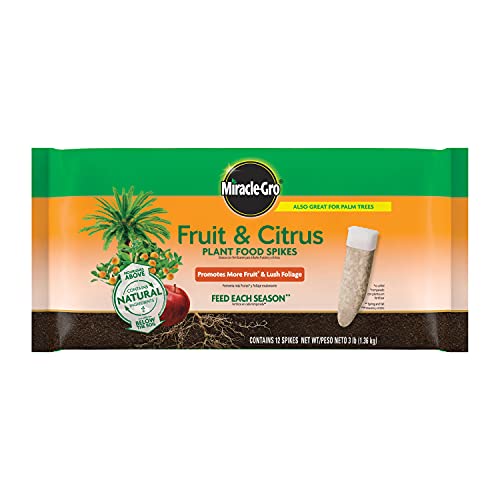
FORMULATED FOR CITRUS AND FRUIT TREES: Use these citrus fertilizer spikes on apple, orange, lemon, lime, and avocado trees; this formula is also great for feeding palm trees

Made for Lemon & Citrus Trees – Formulated to support healthy growth in lemon and citrus plants.
Deep Watering Strategies for Nectarine Trees
Deep watering is essential for the health of nectarine trees, especially in regions like Pennsylvania where climate variations can impact soil moisture. Understanding effective deep watering strategies can help ensure that these trees thrive, promoting robust growth and fruit production. This section outlines practical techniques to optimize watering practices for nectarine trees in the Keystone State.
Water deeply once a week during dry periods.
Adjust frequency based on rainfall and soil moisture.
Fertilizing should occur in early spring. Use a balanced fertilizer formulated for fruit trees. Follow the manufacturer’s instructions for application rates.
Nectarine Tree Pest Control Strategies
Nectarine trees can be vulnerable to various pests, especially in Pennsylvania’s diverse climate. Effective pest control strategies are essential for maintaining healthy trees and ensuring a fruitful harvest. Understanding the specific threats and implementing targeted measures can significantly enhance the success of growing nectarines in the Keystone State.
Pest and disease issues can affect nectarine trees in Pennsylvania. Common pests include aphids, spider mites, and peach tree borers. Regular monitoring is essential for early detection.
Pest Inspection Techniques for Nectarine Trees
Maintaining the health of nectarine trees in Pennsylvania requires vigilant pest inspection techniques. Given the state’s unique climate and ecosystem, understanding how to effectively identify and manage pests is crucial for successful cultivation. This section will explore practical methods to ensure your nectarine trees thrive despite potential pest challenges.
Inspect trees weekly for signs of pests.
Apply organic insecticides when necessary.
Practice good sanitation by removing fallen fruit and debris.
Implementing these strategies will minimize damage and promote healthy tree growth.
Nectarine Harvest Timing for Best Flavor
Understanding the optimal timing for harvesting nectarines is crucial for achieving the best flavor and texture. In Pennsylvania’s unique climate, recognizing the signs of ripeness can make all the difference in enjoying this juicy fruit at its peak. This section will guide you through the key indicators to look for when determining the right time to pick nectarines.
Harvesting nectarines at the right time is crucial for flavor and quality. Nectarines should be picked when they are fully colored and slightly soft to the touch.
Nectarine Harvesting Techniques for Pennsylvania
Harvesting nectarines in Pennsylvania requires specific techniques to ensure optimal fruit quality and yield. Understanding the local climate and timing is crucial for successful harvesting, as well as employing methods that minimize damage to the fruit and tree. This section will explore effective strategies tailored to the unique conditions of the Keystone State.
Gently twist the fruit to remove it from the tree.
Handle with care to avoid bruising.
Store in a cool place to maintain freshness.
Following these steps ensures that you enjoy the best flavor and quality from your nectarines.
| Variety | Chilling Hours | Disease Resistance | Flavor Profile |
|---|---|---|---|
| Red Gold | 600 | High | Sweet |
| Fantasia | 500 | Moderate | Juicy |
| Sunred | 700 | High | Sweet-Tart |
Understanding these aspects of nectarine cultivation will help Pennsylvania gardeners successfully grow and enjoy their own fruit.
