

Star fruit trees can thrive in Montana with the right hardy varieties. Selecting cold-tolerant options ensures successful growth and fruit production in this region’s unique climate.
Hardy Star Fruit Varieties for Montana
Star fruit, also known as carambola, is a tropical fruit that can be grown in temperate climates with careful selection of hardy varieties. In Montana, the key is to choose cultivars that can withstand colder temperatures while still producing fruit. Hardy varieties include the Fwang Tung and Korean star fruit, both known for their resilience and adaptability.
These varieties not only withstand cooler temperatures but also produce fruit with excellent flavor. Understanding the characteristics of each variety helps in making an informed decision for your garden.
Recommended Products

Easy to Grow – Requires minimal care and thrives in full sun or partial shade
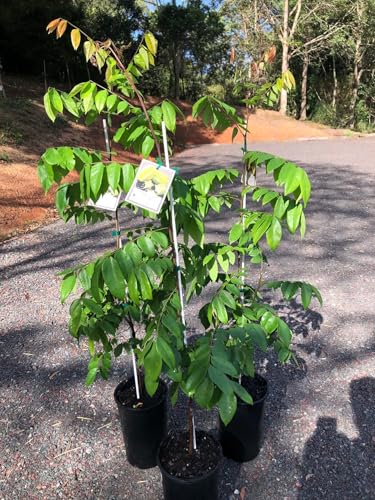
Starfruit Tree Live Carambola Tree You will receive the tree, no the fruit

RESTRICTIONS - If you live in Arizona and order this tree, your order will be canceled.
Hardy Star Fruit Varieties for Montana
Montana’s unique climate presents challenges for growing star fruit, but certain hardy varieties can thrive in this region. This section explores the best options for beginners looking to cultivate star fruit trees, focusing on those that can withstand cooler temperatures while still producing delicious fruit. Discover the resilient choices that can flourish in Montana’s diverse landscapes.
| Variety | Cold Tolerance | Fruit Size | Flavor Profile | Growth Habit |
|---|---|---|---|---|
| Fwang Tung | 20°F | Medium | Sweet | Compact |
| Korean | 25°F | Large | Tart-Sweet | Spreading |
| Arkin | 30°F | Small | Mild | Upright |
| Sri Kembangan | 25°F | Medium | Sweet | Compact |
Ideal Planting Sites for Star Fruit Trees
When considering star fruit trees in Montana, selecting the right planting site is crucial for their success. These trees thrive in specific conditions that can help them flourish despite the state’s unique climate. Understanding the ideal locations will ensure that beginners can cultivate healthy and productive star fruit trees.
Choosing the right location is crucial for growing star fruit trees successfully in Montana. These trees prefer full sun and well-drained soil. Avoid low-lying areas where cold air settles, as this can damage young trees.
Consider the following factors when selecting a planting site:
Sunlight: Ensure at least six hours of direct sunlight daily.
Soil Quality: Use well-draining soil enriched with organic matter.
Protection from Wind: Plant near structures or other trees for windbreaks.
Soil Preparation for Star Fruit Trees
Preparing the right soil is crucial for successfully growing star fruit trees in Montana. The unique climate and soil conditions in this region require careful consideration to ensure optimal growth and fruit production. Understanding the specific soil requirements will help beginners set a solid foundation for their star fruit trees.
Before planting star fruit trees, it is essential to prepare the soil properly. This involves testing soil pH and amending it as necessary. Star fruit trees thrive in slightly acidic to neutral soil, ideally between 6.0 and 7.0 pH.
Follow these steps to prepare your soil:
Test Soil pH: Use a soil test kit to determine pH levels.
Amend Soil: Add sulfur to lower pH or lime to raise it based on test results.
Improve Drainage: Incorporate sand or perlite if soil retains too much moisture.
Star Fruit Tree Maintenance in Montana
Maintaining star fruit trees in Montana requires a tailored approach due to the region’s unique climate. Understanding the specific needs of hardy varieties is essential for successful growth and fruit production. This section delves into the best practices for caring for these trees, ensuring they thrive in Montana’s conditions.
Once planted, star fruit trees require ongoing care to ensure healthy growth and fruit production. Regular watering, fertilization, and pruning are essential components of care.
Implement the following care practices:
Watering: Keep soil consistently moist but not waterlogged.
Fertilization: Use a balanced fertilizer every six to eight weeks during the growing season.
Pruning: Remove dead or crossing branches to promote airflow and light penetration.
Cold Weather Protection for Star Fruit Trees
Star fruit trees can thrive in Montana’s unique climate, but protecting them from cold weather is essential for successful growth. Understanding the specific strategies for shielding these hardy varieties from frost and freezing temperatures will help beginners cultivate healthy trees. This section outlines effective methods to ensure your star fruit trees remain resilient during the colder months.
Montana winters can be harsh, making it essential to protect star fruit trees from freezing temperatures. Consider these protective measures:
Mulching: Apply a thick layer of mulch around the base to insulate roots.
Covering: Use frost cloths or burlap to cover young trees during extreme cold snaps.
Container Growing: For added flexibility, consider growing trees in containers that can be moved indoors during winter.
Identifying and Addressing Star Fruit Issues
Growing star fruit trees in Montana can present unique challenges due to the region’s climate and soil conditions. Understanding common issues that may arise, such as pest infestations and nutrient deficiencies, is essential for maintaining healthy trees. This section will explore these problems and provide practical solutions to help beginners successfully cultivate star fruit.
Star fruit trees may face various challenges, including pests and diseases. Early identification and intervention are key to maintaining healthy trees.
Common issues include:
Pests: Aphids and scale insects can damage leaves. Use insecticidal soap for treatment.
Diseases: Root rot can occur in overly wet conditions. Ensure proper drainage to prevent this.
Essential Tips for Growing Star Fruit Trees
Growing star fruit trees in Montana can be a rewarding endeavor for beginners, especially when selecting hardy varieties suited to the region’s climate. This section provides essential tips to ensure successful cultivation, from choosing the right location to understanding care requirements, helping you nurture these unique trees in your garden.
Starting with star fruit trees in Montana can be rewarding with the right approach. Focus on selecting hardy varieties, preparing the soil, and providing necessary care.
Be mindful of the unique climate challenges and take proactive steps to protect your trees. With patience and diligence, you can enjoy the sweet rewards of your labor.
