

Growing tangerine trees in North Dakota requires careful planning due to the region’s severe cold. Selecting cold-hardy varieties and implementing protective measures can enhance the chances of successful cultivation.
Cold-Hardy Tangerine Varieties for North Dakota
In North Dakota’s challenging climate, selecting the right tangerine varieties is crucial for successful cultivation. Cold-hardy options can withstand harsh winters while still producing flavorful fruit. This section explores the best tangerine varieties suited for the region, ensuring growers can thrive despite severe cold conditions.
Cold-hardy tangerine varieties are essential for successful growth in North Dakota’s climate. These varieties can withstand lower temperatures and adapt better to the harsh conditions. When selecting trees, consider the following options:
Kiyomi: A hybrid that tolerates cold and produces sweet fruit.
Satsuma: Known for its resilience and easy-to-peel fruit.
Clementine: Offers a sweet flavor and good cold tolerance.
These varieties can be more suitable for the northern climate, providing a better chance of survival during winter months.
Tangerine Tree Garden Preparation Steps
Preparing a garden for tangerine trees in North Dakota requires careful planning to combat the region’s severe cold. The right steps can help create a suitable environment for these trees to thrive, ensuring they have the best chance of surviving and producing fruit despite the challenging climate. Proper preparation is essential for success in this unique growing endeavor.
Proper preparation of your garden is crucial for the successful growth of tangerine trees. Start by selecting a location with full sun exposure and well-draining soil. Follow these steps for optimal planting conditions:
Test Soil: Check pH levels to ensure they are between 6.0 and 7.0.
Amend Soil: Incorporate organic matter to improve drainage and fertility.
Choose Planting Time: Early spring is ideal for planting young trees.
Recommended Products

Receive a live Sweet Tangerine tree in a 1 gallon pot, well rooted and ready for planting. We do not ship this plant to CA

For sale is one Murcott Honey Tangerine seedling that is approximately 2 to 5 inches tall and shipped in a pot

Tangerine Tree Planting Supplies Checklist
When planting tangerine trees in the challenging climate of North Dakota, having the right supplies is crucial for success. This checklist outlines essential items needed to ensure your tangerine trees thrive despite severe cold conditions. From soil amendments to protective gear, being well-prepared will help you navigate the unique challenges of growing citrus in a northern environment.
Gathering the right supplies will streamline the planting process. Here’s a checklist of necessary items:
Cold-hardy tangerine saplings
Organic compost
Mulch
Soil testing kit
Watering can or hose
These supplies will help create a conducive environment for your trees.
Cold Protection Strategies for Tangerine Trees
Growing tangerine trees in North Dakota presents unique challenges due to the region’s severe cold. Implementing effective cold protection strategies is essential to ensure the trees survive harsh winters and thrive in the spring. This section outlines practical methods to safeguard your tangerine trees from freezing temperatures and provide them with the best chance for healthy growth.
Protection from severe cold is vital for the survival of tangerine trees. Implementing effective strategies can minimize damage during winter. Consider these protective measures:
Mulching: Apply a thick layer of mulch around the base to insulate roots.
Windbreaks: Use barriers like fences or shrubs to shield trees from harsh winds.
Frost Cloth: Cover trees during extreme cold snaps to retain heat.
Cold Protection Strategies for Tangerine Trees
Tangerine trees thrive in warmer climates, making their cultivation in North Dakota a challenge due to severe cold. To ensure these trees survive harsh winters, implementing effective cold protection strategies is essential. The following methods can help safeguard your tangerine trees from freezing temperatures and promote their growth in this less-than-ideal environment.
| Protection Method | Effectiveness | Difficulty (1-5) |
|---|---|---|
| Mulching | High | 2 |
| Windbreaks | Medium | 3 |
| Frost Cloth | High | 2 |
This table summarizes the effectiveness and difficulty of various protection methods.
Tangerine Tree Watering and Fertilization Guide
Proper watering and fertilization are crucial for the success of tangerine trees in the challenging climate of North Dakota. Given the severe cold, understanding the specific needs of these trees can help ensure they thrive despite the harsh conditions. This guide outlines effective strategies for maintaining optimal moisture levels and nutrient balance for healthy growth.
Watering and fertilizing are critical for the growth of tangerine trees. Establishing a proper routine will ensure healthy development. Follow these guidelines:
Watering: Ensure consistent moisture, especially during dry spells. Avoid overwatering, which can lead to root rot.
Fertilizing: Use a balanced fertilizer during the growing season. Apply every six weeks for optimal growth.
Recommended Products
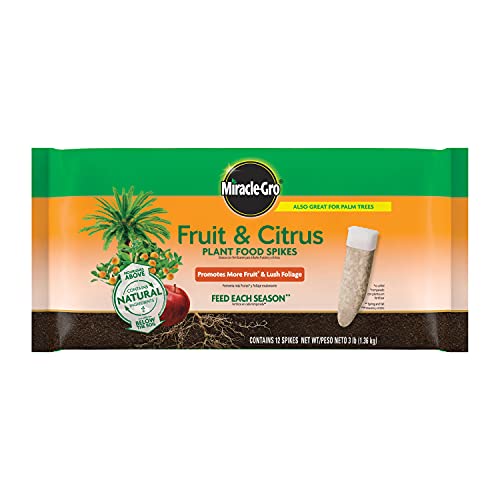
FORMULATED FOR CITRUS AND FRUIT TREES: Use these citrus fertilizer spikes on apple, orange, lemon, lime, and avocado trees; this formula is also great for feeding palm trees

FOR USE ON: Use Citrus-tone organic fertilizer for all citrus trees, including lemon, lime, orange, Meyer Lemon Trees as well as for avocado & nut trees

Balanced Organic Nutrition – Supplies a 6‑3‑3 NPK ratio along with calcium, sulfur, iron, and zinc to foster healthy foliage, flowering, and fruit.
Fertilizer Options for Cold-Climate Tangerines
When cultivating tangerine trees in the challenging cold climate of North Dakota, selecting the right fertilizer is crucial for their growth and fruit production. This section explores various fertilizer options tailored to the unique needs of tangerines, ensuring they thrive even in severe cold conditions. Understanding these choices can significantly enhance the health and yield of your trees.
Select a fertilizer that meets the needs of your trees. Here are some options:
Citrus-specific fertilizers: Formulated for optimal citrus growth.
Organic options: Such as fish emulsion or compost tea for natural nutrients.
These fertilizers can enhance fruit production and tree health.
Pruning Techniques for Tangerine Tree Health
Pruning is essential for maintaining the health and productivity of tangerine trees, especially in the challenging climate of North Dakota. Proper techniques can help manage growth, enhance fruit quality, and improve air circulation within the tree. Understanding the right methods for pruning will ensure your tangerine trees thrive despite the severe cold conditions.
Regular pruning is essential for maintaining the health and productivity of tangerine trees. Proper techniques can promote better air circulation and sunlight penetration. Follow these steps for effective pruning:
Remove Dead Wood: Cut away any dead or diseased branches.
Shape the Tree: Trim to maintain an open center for light access.
Timing: Prune during late winter or early spring before new growth begins.
Essential Pruning Tools for Tangerine Trees
Proper pruning is crucial for the health and productivity of tangerine trees, especially in the challenging climate of North Dakota. Having the right tools can make this task more efficient and effective, ensuring that your trees thrive despite severe cold conditions. Here are the essential pruning tools you need to maintain your tangerine trees.
Having the right tools will make pruning easier. Consider these essential items:
Pruning shears
Loppers
Saw for larger branches
Gloves for protection
These tools will help maintain your trees effectively.
Cold-Hardy Tangerine Cultivation Tips
Cultivating tangerine trees in North Dakota presents unique challenges due to the region’s severe cold. However, with the right strategies and care, it’s possible to successfully grow these citrus trees despite the harsh climate. This section offers essential tips for ensuring the health and productivity of cold-hardy tangerine varieties.
Growing tangerine trees in North Dakota is feasible with the right approach. Selecting cold-hardy varieties and implementing protective measures can lead to successful cultivation. Regular care in watering, fertilizing, and pruning will further enhance growth and fruit production.
