

Apple trees can thrive in Memphis, TN, provided the right varieties and care are selected. The climate and soil conditions in the Mid-South can support successful apple cultivation with proper attention to pests and diseases.
Best Apple Varieties for Memphis Climate
Choosing the correct apple varieties is crucial for success in Memphis. The region’s climate features hot summers and mild winters, which can affect fruit production. Some apple varieties are more suited to this environment and can withstand local pests and diseases.
Recommended apple varieties include:
Arkansas Black: Known for its rich flavor and excellent storage capabilities.
Granny Smith: A tart apple that thrives in warmer climates.
Fuji: Sweet and crisp, it performs well in the Mid-South.
| Variety | Flavor Profile | Harvest Time | Disease Resistance |
|---|---|---|---|
| Arkansas Black | Rich | Late October | Moderate |
| Granny Smith | Tart | Early October | High |
| Fuji | Sweet | Late September | Moderate |
Soil Amendments for Apple Trees in Memphis
Growing apple trees in Memphis requires careful attention to soil quality. The region’s unique climate and soil composition can pose challenges, making soil amendments essential for successful cultivation. Understanding the right amendments can significantly enhance tree health and fruit production, ensuring a thriving apple orchard in the Mid-South.
Soil preparation is essential for healthy apple tree growth. The soil in Memphis may require amendments to enhance drainage and nutrient content. Conducting a soil test will help identify any deficiencies.
Follow these steps for optimal soil preparation:
Test the Soil: Use a soil test kit to determine pH and nutrient levels.
Amend the Soil: Add compost or well-rotted manure to improve fertility.
Ensure Drainage: If the soil retains too much water, consider raised beds.
Pest Management Strategies for Memphis Apple Trees
Effective pest management is crucial for cultivating healthy apple trees in Memphis, TN. This region presents unique challenges due to its climate and local insect populations. Understanding targeted strategies can help ensure that your apple trees thrive while minimizing damage from pests common to the Mid-South.
Pest and disease management is vital for apple trees in Memphis. The warm climate can foster various pests, including aphids and codling moths. Implementing an integrated pest management strategy will help keep trees healthy.
Key management strategies include:
Regular Inspections: Check trees weekly for signs of pests or disease.
Use Organic Pesticides: Apply neem oil or insecticidal soap as needed.
Promote Beneficial Insects: Encourage ladybugs and lacewings to control pest populations.
Recommended Products
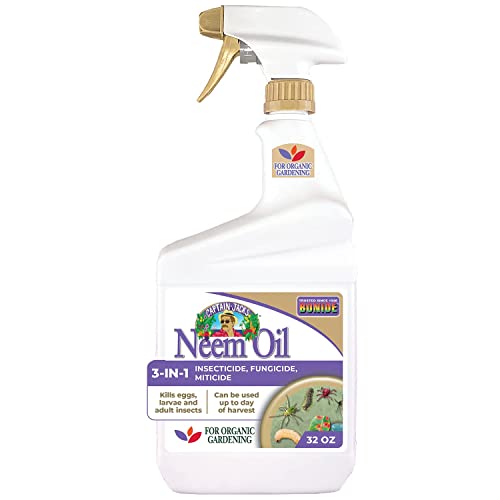
Protect your oasis with 3 garden products in 1 from Captain Jack’s; Bonide Captain Jack’s Ready-to-Use Neem Oil spray for plants is a multi-purpose fungicide, insecticide and miticide for your lawn & garden

FUNGAL DISEASE CONTROL: Prevents and controls black spot on roses, powdery mildew, rust, downy mildew, and other listed fungal diseases when applied on a 7–14 day schedule
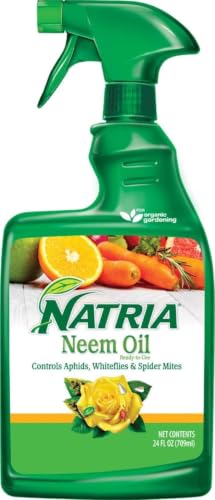
PLANT DISEASE CONTROL: Natria Neem Oil acts as an insecticide and fungicide in one convenient spray; Ready-to-use trigger sprayer requires no mixing
Watering Techniques for Memphis Apple Trees
Proper watering techniques are essential for cultivating healthy apple trees in Memphis, TN. The region’s unique climate and soil conditions require specific approaches to ensure trees receive adequate moisture without risking overwatering. Understanding these methods can significantly enhance the growth and fruit production of your apple trees in the Mid-South.
Proper watering and fertilizing practices are essential for apple tree health. The hot summers in Memphis can lead to drought stress if trees are not adequately watered.
Follow these guidelines for watering and fertilizing:
Water Deeply: Provide 1-2 inches of water weekly, especially during dry spells.
Fertilize in Spring: Use a balanced fertilizer to promote growth.
Avoid Over-Fertilizing: Too much nitrogen can lead to excessive leaf growth at the expense of fruit.
| Fertilizer Type | Application Rate | Timing |
|---|---|---|
| Balanced Fertilizer | 1 lb per tree | Early Spring |
| Compost | 2-3 inches around base | Early Spring |
Pruning Techniques for Memphis Apple Trees
Pruning is essential for maintaining healthy apple trees, especially in the unique climate of Memphis, TN. Understanding the specific techniques suited for this region can enhance fruit production and tree longevity. This section delves into effective pruning methods tailored to the Mid-South environment, ensuring your apple trees thrive.
Pruning is a critical practice for maintaining apple trees. Proper pruning encourages healthy growth and fruit production. In Memphis, pruning should occur during the dormant season.
Consider these pruning techniques:
Remove Dead or Diseased Wood: Clear any unhealthy branches to promote airflow.
Thin Out Crowded Branches: This helps sunlight reach all parts of the tree.
Shape the Tree: Aim for an open center to allow light penetration.
Optimal Planting Times for Memphis Apple Trees
Understanding the best times to plant apple trees in Memphis is crucial for successful growth and fruit production. The region’s unique climate and seasonal variations influence when to sow these trees for optimal results. This section will explore the ideal planting windows to ensure your apple trees thrive in the Mid-South environment.
Timing is essential when planting apple trees in Memphis. The best time to plant is in early spring or late fall when the trees are dormant. This allows for better root establishment before the heat of summer.
Follow these steps for successful planting:
Choose a Sunny Location: Ensure the site receives at least 6-8 hours of sunlight daily.
Dig a Proper Hole: The hole should be twice as wide as the root ball and just as deep.
Water After Planting: Ensure the tree is well-watered immediately after planting.
Avoid planting during extreme heat or frost conditions to ensure successful establishment.
Mid-South Apple Tree Cultivation Tips
Growing apple trees in Memphis, TN, can be a rewarding endeavor, but it requires specific knowledge about the region’s climate and soil conditions. This section provides essential tips for cultivating apple trees successfully in the Mid-South, focusing on best practices that cater to local challenges and opportunities for optimal growth.
Successfully growing apple trees in Memphis requires careful selection of varieties, soil preparation, pest management, and ongoing care. By following these guidelines, gardeners can enjoy a fruitful harvest in the Mid-South climate.
