

Growing guava trees in Illinois can be challenging due to the state’s climate. However, with the right techniques and care, successful cultivation is possible, even in the Midwest.
Choosing Ideal Guava Varieties for Illinois
Selecting the right guava tree variety is crucial for success in Illinois. The most suitable options include the tropical guava, which thrives in warmer conditions, and the pineapple guava, known for its cold tolerance. Both varieties offer unique flavors and characteristics.
Tropical Guava: Requires warmer temperatures, best in USDA zones 10-11.
Pineapple Guava: More adaptable, can survive in USDA zones 8-10.
Choosing the right variety sets the foundation for successful growth.
Effective Preparation for Guava Planting
Growing guava trees in Illinois requires careful preparation to ensure their success in the Midwestern climate. Understanding the specific needs of guava trees, from soil conditions to planting techniques, is essential for fostering healthy growth and maximizing fruit production. This section outlines the crucial steps to effectively prepare for planting guava trees in your garden.
Preparation of the planting area is vital for healthy guava trees. Choose a location that receives full sun for at least six hours daily. The soil should be well-draining and rich in organic matter.
Test soil pH: Ideal range is 6.0 to 7.0.
Amend soil: Add compost or aged manure to improve fertility.
Ensure drainage: Consider raised beds if soil retains too much moisture.
A well-prepared area promotes strong root development.
Optimal Planting Methods for Guava Trees
Successfully growing guava trees in Illinois requires careful attention to planting methods that suit the unique Midwestern climate. Understanding the right techniques for soil preparation, spacing, and timing can significantly enhance your chances of cultivating healthy, productive trees. This section will guide you through the optimal practices to ensure your guava trees thrive in this region.
Proper planting techniques can significantly impact the growth of guava trees. Follow these steps for optimal results.
Dig a hole twice the width of the root ball.
Place the tree in the center of the hole, ensuring the root crown is level with the soil surface.
Backfill the hole with native soil mixed with compost.
Water thoroughly to eliminate air pockets.
These steps ensure that your guava tree establishes itself effectively.
Recommended Products

Comprehensive Small Garden Tools: Our indoor garden kit Not only for succulents, but also suitable for bonsai plants, cactus and most of indoor small plants. The mini garden tools set meets your various gardening needs like potting mat, digging, watering, loosening soil, transplanting, cleaning, pruning, weeding, etc. Lightweight, Easy carry and wash after every use. Just pat dry.
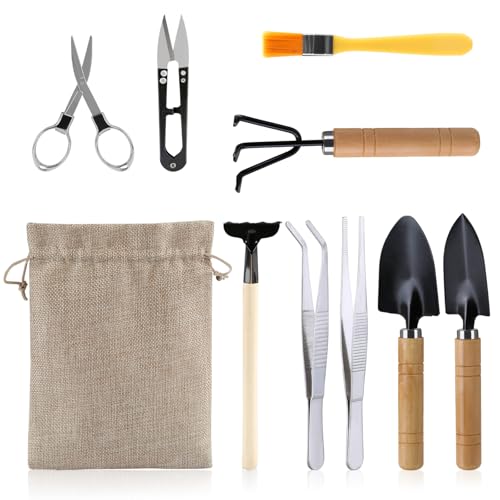
Basic Bonsai Kit - Provide the basic bonsai tools needed for each level of expertise at a savings over buying individual pieces

12 Piece Succulent Kit For Planting Succulents, Gardening, Bonsai Trees, Cactus, Transplanting and other necessary tools.
Guava Tree Care Practices for Illinois
Caring for guava trees in Illinois requires specific practices tailored to the region’s climate and soil conditions. Understanding the unique needs of these tropical plants can help ensure their successful growth and fruit production, even in the Midwest. This section will outline essential care techniques to cultivate thriving guava trees in your Illinois garden.
Establishing a consistent care routine is essential for the health of your guava trees. This includes watering, fertilizing, and pruning.
Watering: Keep soil consistently moist but not soggy, especially during dry spells.
Fertilizing: Use a balanced fertilizer every six weeks during the growing season.
Pruning: Remove dead or diseased branches to promote airflow and light penetration.
A solid care routine enhances growth and fruit production.
Pest and Disease Monitoring for Guava Trees
Maintaining healthy guava trees in Illinois requires vigilance against pests and diseases that can threaten their growth. Regular monitoring is essential to identify potential issues early and implement effective management strategies. Understanding the common pests and diseases that affect guava trees will help ensure a thriving orchard in the Midwest.
Regular monitoring for pests and diseases is crucial for maintaining healthy guava trees. Common issues include:
Aphids: Small insects that can weaken plants.
Root rot: Caused by overwatering or poor drainage.
Implement preventive measures such as introducing beneficial insects and ensuring proper drainage.
| Pest/Disease | Symptoms | Treatment |
|---|---|---|
| Aphids | Curling leaves | Insecticidal soap |
| Root rot | Wilting, yellowing | Improve drainage, reduce watering |
Stay vigilant to protect your trees from potential threats.
Optimal Timing for Guava Harvesting
Understanding the optimal timing for harvesting guava is crucial for ensuring the best flavor and quality of the fruit. In Illinois, where climate conditions can be challenging, knowing when to pick your guavas can make a significant difference in your yield. This section will guide you through the key indicators to look for during the harvesting season.
Knowing when and how to harvest is key to enjoying the fruits of your labor. Guava fruits are typically ready for harvest when they turn yellow and emit a sweet aroma.
Gently twist the fruit to detach it from the branch.
Use pruning shears for hard-to-reach fruits.
Proper harvesting techniques ensure minimal damage to the tree and maximize fruit quality.
Advanced Guava Cultivation Methods in Illinois
For those looking to take their guava cultivation in Illinois to the next level, advanced techniques can significantly enhance growth and fruit production. This section delves into specialized practices tailored for the unique Midwestern climate, ensuring that your guava trees thrive and yield a bountiful harvest. Explore these methods to maximize your success with this tropical delight.
Consider alternative methods to enhance your guava tree cultivation in Illinois. Techniques such as container gardening or greenhouse cultivation can provide controlled environments.
Container Gardening: Use large pots with drainage holes for flexibility.
Greenhouse Cultivation: Maintain optimal temperatures and humidity levels.
These methods can mitigate climate challenges and improve success rates.
Successful Guava Cultivation Strategies in Illinois
Growing guava trees in Illinois may seem challenging due to the region’s climate, but with the right strategies, success is achievable. This section outlines effective methods tailored for Midwestern conditions, ensuring that both novice and experienced gardeners can cultivate healthy guava trees. Discover the essential techniques that will help you thrive in this unique environment.
Implement these strategies to grow guava trees successfully in Illinois. From selecting the right variety to mastering care routines, each step is essential for thriving trees and fruitful harvests.
